The journey into crafting exceptional coffee from the comfort of your kitchen can seem daunting, with an array of gadgets and techniques on display. However, as the accompanying video aptly highlights, transforming your daily ritual into an art form is entirely achievable with the right knowledge and tools. This guide expands upon the foundational principles of **home coffee brewing**, offering a deeper dive into the science, methods, and essential equipment that will empower you to consistently achieve a delicious cup.
Understanding the core components of coffee extraction is paramount. Every variable, from the particle size of your coffee grounds to the temperature of your water, plays a critical role in determining the final flavor profile. By mastering these elements, you gain the ability to dial in your brew, mitigating common issues like bitterness or weakness and unlocking the true potential of your coffee beans.
The Science of Coffee Extraction: Beyond Just Beans and Water
At its heart, brewing coffee is a sophisticated process of extraction, where water solubilizes desirable compounds from ground coffee. The goal is to extract enough flavor and aroma without pulling out the harsh, less pleasant notes. Achieving this delicate balance relies on meticulous control over several key variables: the coffee-to-water ratio, water temperature, grind size, and total brew time. Each factor interacts dynamically, influencing the rate and quality of extraction.
Industry experts consistently emphasize that precision in these areas separates a merely acceptable cup from an extraordinary one. For instance, even a slight deviation in water temperature can dramatically alter extraction kinetics, leading to either under-extracted, sour notes or over-extracted, bitter compounds. Likewise, inconsistent grind particle size creates an uneven extraction bed, resulting in a muddy, unpredictable brew.
Precision in Ratios: The Golden Rule of Extraction
One of the most impactful adjustments you can make in your **home coffee brewing** journey is adhering to a precise coffee-to-water ratio. The video mentions a 1:16 ratio (one part coffee to sixteen parts water by weight) as an excellent starting point for a robust cup, and this is indeed a widely accepted benchmark in specialty coffee. This means for every gram of coffee you use, you should employ 16 grams of water. For example, a standard 12-ounce (approximately 355ml) mug of coffee often requires around 22-25 grams of coffee.
While 1:16 is a fantastic baseline, the “golden ratio” often ranges from 1:15 to 1:18, depending on personal preference and the specific coffee bean. A lower ratio (e.g., 1:15) results in a stronger, more concentrated brew, while a higher ratio (e.g., 1:18) yields a lighter, more delicate cup. Experimenting within this range, always weighing your ingredients, allows you to tailor the strength and body to your exact liking, optimizing the soluble material extraction for unparalleled flavor.
Temperature’s Critical Role in Flavor Development
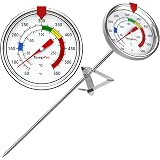
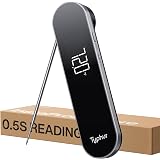
As the video correctly states, the water temperature is far from an arbitrary detail; it is a critical determinant of extraction efficiency. The ideal range for brewing coffee generally falls between 195°F and 205°F (90°C to 96°C), just below boiling point. Water that is too hot can lead to rapid, uncontrolled extraction, pulling out bitter compounds and creating an acrid taste. This happens because higher temperatures increase the solubility of certain chemicals in the coffee grounds too quickly.
Conversely, water that is too cool will result in under-extraction, producing a weak, sour, or flat-tasting coffee. Cooler water simply cannot dissolve the desirable sugars, acids, and aromatics efficiently from the coffee grounds. Moreover, different roast levels might benefit from slightly varied temperatures; darker roasts, which are more porous, sometimes benefit from slightly cooler water to prevent over-extraction, while lighter roasts may need slightly hotter water to fully develop their complex flavors.
The Art and Science of Grind Size
The grind size of your coffee is arguably the most overlooked yet vital variable in **brewing coffee at home**. It directly influences the surface area of the coffee particles exposed to water and, consequently, the rate of extraction. A grind that is too fine exposes too much surface area, leading to over-extraction and a bitter, astringent cup, often with sediment. This is akin to trying to extract too much from a tiny particle in too short a time.
Conversely, a grind that is too coarse exposes too little surface area, resulting in under-extraction and a weak, watery, or sour brew. The water simply passes through too quickly without sufficient interaction with the coffee. Different brew methods demand specific grind sizes: an espresso machine requires a very fine grind for rapid, high-pressure extraction, while a French press benefits from a coarse grind to prevent excessive sediment and slow down the immersion process. Understanding this relationship is crucial for achieving balanced flavors across various brewing techniques.
Navigating Home Coffee Brewing Methods
With the foundational principles in place, exploring the diverse world of **home coffee brewing** methods becomes an exciting endeavor. While countless devices exist, they generally fall into two broad categories: immersion brewing and percolation (or pour-through) brewing. Each method utilizes water and coffee in distinct ways, leading to unique flavor profiles and textural experiences.
The choice of method often depends on personal preference for flavor, desired brew time, and the level of manual control one wishes to exert. Enthusiasts often find themselves experimenting with multiple methods to appreciate the full spectrum of coffee characteristics. Understanding the mechanics of each can greatly enhance your ability to make good coffee on any brewer you have at home.
Immersion Brewing: Full-Bodied Flavors
Immersion brewing is characterized by the coffee grounds and water steeping together for an extended period, allowing for thorough saturation and extraction. This method typically yields a full-bodied cup with a rich mouthfeel due to the presence of fine particulates and oils that pass through the filter. Devices like the French press are quintessential examples of immersion brewing, where coarsely ground coffee steeps in hot water before being separated by a plunger filter.
Other popular immersion brewers include certain methods used with the AeroPress, where a concentrated brew is often steeped before being pressed. The Clever Dripper also offers a hybrid approach, combining immersion with a release valve for a clean, full-bodied cup. For these methods, a coarser grind and longer brew times are generally preferred, allowing for a balanced extraction without over-extraction.
Percolation Brewing: Clean and Nuanced Cups
Percolation brewing, where hot water passes through a bed of coffee grounds, is perhaps the most common approach to **brewing coffee at home**. This method relies on gravity or pressure to separate the brewed coffee from the grounds, typically resulting in a cleaner cup with a more pronounced acidity and nuanced flavor profile compared to immersion methods. Drip coffee makers, found in most kitchens, are a prime example of percolation brewing, automating the process for convenience.
Manual percolation methods, such as the pour-over, are highly regarded for their ability to highlight delicate flavors and aromas. Devices like the Kalita Wave, Hario V60, and Chemex are celebrated for their unique designs that influence water flow and extraction dynamics. Espresso machines represent a high-pressure, short-contact variation of percolation, forcing hot water through a finely ground, compacted coffee bed to produce a concentrated shot. Each pour-over device has specific nuances; the Chemex, with its thicker filter, often yields an exceptionally clean cup, while the Hario V60 is known for highlighting bright acidity.
Essential Equipment for Superior Home Coffee Brewing
While the principles of extraction apply across all methods, having the right tools significantly elevates your **home coffee brewing** experience. The video emphasizes three critical pieces of equipment that can dramatically improve your brew quality and consistency. Investing in these items is not merely an indulgence but a commitment to unlocking the full potential of your coffee beans.
These tools facilitate the precision necessary to control the variables of grind size, water temperature, and coffee-to-water ratio. Without them, even the most meticulous technique might falter, leading to unpredictable and often disappointing results. Consider these purchases as foundational elements for any serious coffee enthusiast’s arsenal, ensuring every cup is brewed to perfection.
The Non-Negotiable Burr Grinder
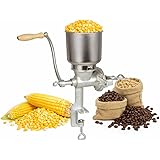
A high-quality burr grinder is, without question, the most crucial piece of equipment for exceptional coffee. Unlike blade grinders (which merely chop coffee beans unevenly, creating a mixture of fine dust and coarse chunks), burr grinders crush beans between two abrasive surfaces, producing a consistent, uniform grind. This uniformity is vital because it ensures all coffee particles extract at a similar rate, preventing simultaneously under-extracted and over-extracted flavors in the same cup.
Burr grinders come in two main types: conical burr and flat burr. Conical burrs are often quieter and produce a slightly wider particle distribution, which some argue offers a more balanced cup. Flat burrs, on the other hand, typically yield a more consistent, tight particle distribution, often preferred for espresso due to their precision. While some electric models can be a significant investment, manual burr grinders offer excellent performance at an affordable price point, making superior grind quality accessible to everyone passionate about **home coffee brewing**.
Gooseneck Kettles: Precision Pouring for Optimal Extraction
For any manual brewing method, especially pour-overs, a gooseneck kettle is an indispensable tool. Its distinctive long, slender spout provides unparalleled control over the flow rate and direction of water, allowing for precise saturation of the coffee grounds. This precision prevents uneven extraction, where some grounds are over-saturated and others remain dry, leading to inconsistent flavors. The ability to direct the water exactly where you want it is key to a controlled and even bloom, crucial for unlocking the coffee’s trapped gasses and ensuring uniform extraction.
Gooseneck kettles are available in both stovetop and electric versions. Electric models often feature variable temperature control, which is incredibly useful for hitting that perfect 195°F to 205°F range with pinpoint accuracy. This eliminates guesswork and ensures consistent thermal conditions for every brew, further enhancing the repeatability and quality of your **home coffee brewing** efforts.
The Digital Gram Scale: Your Key to Consistency
Consistency is the hallmark of great coffee, and a digital gram scale is the tool that ensures it. As discussed, coffee-to-water ratio is fundamental, and measuring by weight is far more accurate than using volumetric measurements (like scoops or cups) due to varying bean densities. A scale allows you to precisely weigh your coffee grounds and your brewing water, ensuring that your chosen ratio is maintained meticulously for every single brew. This repeatability is essential for refining your technique and identifying what works best for specific beans or methods.
Beyond ratio, a scale can also help you track your brew time, as many digital scales include a timer function. This multi-functionality makes it an invaluable asset for any coffee enthusiast aiming for precision and control in their **brewing coffee at home**. From calibrating your espresso dose to ensuring your pour-over recipe is spot-on, a digital gram scale provides the data necessary to elevate your coffee craft.
The Foundation: Sourcing Quality Coffee Beans
Ultimately, even with the most advanced equipment and precise techniques, the quality of your final cup hinges on the quality of your coffee beans. As the video thoughtfully concludes, you cannot brew good coffee from bad beans. Investing in high-quality, freshly roasted, whole-bean coffee is the non-negotiable first step in any successful **home coffee brewing** endeavor. Freshness is paramount; coffee beans begin to degrade rapidly after roasting, losing their aromatic compounds and vibrant flavors.
Look for beans with a roast date, ideally within a few weeks of purchase, and store them properly in an airtight container away from light and heat. Explore different origins, roast levels, and flavor profiles from reputable roasters who prioritize ethical sourcing and transparent practices. Many specialty coffee roasters offer a vast array of offerings, sourced from small farms and great cooperatives, ensuring you find beans that resonate with your palate. The superior quality of these beans will shine through when combined with your honed brewing techniques and essential equipment, making your **home coffee brewing** experience truly exceptional.
Brewing Up Answers: Your Perfect Cup Q&A
What are the main things that affect how my coffee tastes?
The final flavor of your coffee is greatly influenced by the coffee-to-water ratio, the water temperature, the size of your coffee grounds, and how long it brews. Controlling these helps prevent issues like bitterness or weakness.
What is the recommended coffee-to-water ratio for brewing?
A great starting point for brewing is a 1:16 ratio, meaning one part coffee to sixteen parts water by weight. This is a widely accepted benchmark that provides a robust cup.
What’s the best temperature for brewing coffee?
The ideal water temperature for brewing coffee generally falls between 195°F and 205°F (90°C to 96°C), just below boiling point. This range ensures optimal extraction of desirable flavors.
Why is a good coffee grinder important for brewing at home?
A high-quality burr grinder is crucial because it produces a consistent, uniform grind size. This uniformity ensures all coffee particles extract evenly, preventing both bitter and weak flavors in your cup.
What kind of coffee beans should I use for home brewing?
Always choose high-quality, freshly roasted, whole-bean coffee, ideally purchased within a few weeks of its roast date. Freshness is paramount for preserving the beans’ aromatic compounds and vibrant flavors.