As homebrewers, we often chase that perfect pint—a beer that impresses not just ourselves, but also friends and family. However, brewing exceptional beer often comes with the challenge of time. Many brewers face the dilemma of long fermentation and conditioning periods, making it difficult to whip up a fresh batch for spontaneous gatherings.
In contrast to this common hurdle, the Fast Party Pale Ale recipe highlighted in the video above offers a refreshing solution. With an approximate ABV of 4.9%, this pale ale is designed to go from grain to glass in as little as 7-10 days, assuming you’re using a fast carbonation kegging method. This makes it an ideal choice for your next party or simply when you desire a quick turnaround on a delicious, crowd-pleasing brew.
The Blueprint of Your Fast Party Pale Ale Recipe
Every great beer starts with a solid recipe, and this Fast Party Pale Ale recipe is meticulously crafted for balance and appeal. The video details a bitterness to alcohol (Buju) ratio of 0.77, which signifies a harmonious blend where neither bitterness nor alcohol overpowers the other. This carefully chosen ratio ensures the beer is approachable for a wide range of palates, a crucial factor for a “party” beer.
While the full recipe is accessible via the video’s description, the importance of converting and scaling it to your specific brewing system cannot be overstated. Just as a chef adjusts a recipe for different oven types, brewers must adapt ingredient quantities for their equipment and desired batch size. Brewfather, a highly recommended tool, simplifies this process, ensuring your first brew of this pale ale is as intended, delivering optimal results.
Establishing the Foundation: Water & Mash for Your Pale Ale
Water, often overlooked, is the silent hero in brewing; it constitutes over 90% of your beer. Much like a painter selects the right canvas to bring their vision to life, a brewer must tailor their water profile to complement the chosen beer style. For this particular Fast Party Pale Ale, a classic hoppy water profile, readily available in tools like Brewfather, works exceptionally well.
Beginning the brewing process, preheating your mash water to the target temperature is critical. The video recommends a mash-in step at 68°C (approximately 154°F). This temperature sits at the upper end of typical mash ranges, strategically designed to produce more unfermentable sugars and fewer simple sugars. The result is an original gravity (OG) around 1.009, which contributes to the beer’s body and mouthfeel without making it overly sweet, perfectly suiting this pale ale style.
Furthermore, ensuring an even mix during mash-in prevents dough balls and promotes efficient sugar extraction. A drill-powered mash stirrer, as demonstrated in the video, makes quick work of this task. However, if using a traditional mash paddle, adding grain gradually, a kilo or two at a time, allows for thorough stirring and a consistent mash bed, similar to kneading dough in stages for a smooth texture.
Crafting the Grain Bill: The Heart of Your Party Pale Ale
The grain bill is the backbone of any beer, defining its color, body, and underlying flavor profile. For this Fast Party Pale Ale recipe, a well-thought-out combination of malts creates a complex yet balanced foundation.
-
Maris Otter (80%)
This two-row barley forms the majority of the grist. Known for imparting biscuity, nutty, and slightly toasty flavors, Maris Otter offers a richer, more nuanced background compared to standard pale ale malt. While regular pale ale malt can be substituted, Maris Otter is highly recommended for its distinctive character that elevates the beer.
-
Light Munich Malt (15%)
Adding a touch of color and enhancing the background notes, Light Munich malt introduces subtle biscuit, nut, and a whisper of caramel. This malt contributes to the beer’s overall roundness and depth, creating a more intricate flavor experience that still remains sessionable.
-
Carapils (5%)
Often referred to as Dextrine malt, Carapils is a true unsung hero in the brewing world. It primarily enhances mouthfeel, improves head retention, and contributes to the beer’s body without significantly altering color or flavor. Think of it as the invisible scaffolding that gives the beer a luxurious texture and a stable, inviting foam, creating a fuller, more satisfying sip in your pale ale.
Combined, these malts provide a gentle sweetness, medium body, and a smooth, rounded texture. This carefully constructed grain bill serves as the perfect canvas for the vibrant hop profile that will soon transform the wort into a truly memorable pale ale.
Sparging & The Energetic Boil for Your Craft Pale Ale
Following the mash, sparging is the process of rinsing the grain bed to extract residual sugars. The video advocates for hand sparging to ensure even coverage, maximizing sugar extraction. While some brewers opt to skip this step for time, it’s argued that doing so can compromise flavor. It’s a matter of personal preference and taste, encouraging brewers to experiment and find what works best for their palate and process.
As the wort heats towards a boil, managing the protein foam on the surface is essential. This foam, rich in proteins, must be stirred back into the wort to prevent boil-overs. More importantly, these proteins are vital for the beer’s clarity, body, and head retention. Incorporating them ensures a cleaner, safer boil and ultimately, a better-finished pale ale.
During the boil, the magic of hops truly begins. This recipe leverages an “excellent hop combination” of Centennial, Citra, and Simcoe, a trio beloved by homebrewers and professionals alike. Each hop plays a distinct role in creating a symphony of flavors and aromas:
-
Simcoe (Orange)
This hop provides a backbone of pine, apricot, and earthy undertones, offering a light resinous bitterness. Simcoe gives the pale ale structure, preventing it from being solely sweet and fruity. It’s the grounding force in the hop profile.
-
Citra (Blue)
Citra is celebrated for its explosive citrus notes, reminiscent of lime and grapefruit, coupled with tropical hints of mango and passionfruit. It fills out the aroma profile and delivers a juicy punch, making this pale ale vibrantly aromatic and inviting.
-
Centennial (Green)
Offering a clean lemon and grapefruit character, Centennial acts as a perfect bridge between the intense fruitiness of Citra and the piney complexity of Simcoe. It adds a touch of floral brightness, invoking a sense of nostalgia for classic American pale ales.
Together, these hops weave a profile of juicy tropical fruit, citrus zest, and light pine, culminating in a balanced flavor with a clean finish and subtle notes of resin and grapefruit. It’s an orchestra where each instrument contributes to a harmonious and memorable composition.
Chilling & The Art of the Hop Stand for Your Delicious Pale Ale
Efficient wort cooling is paramount for both sanitation and flavor preservation. As demonstrated, sterilizing the counter-flow chiller with boiling wort before transfer is a crucial step to prevent contamination. This proactive measure ensures that your precious wort only encounters sanitized surfaces, safeguarding it from unwanted microbes.
Following the boil, the wort is rapidly cooled for the hop stand. This phase is designed to extract maximum hop aroma and flavor compounds without contributing excessive bitterness. Rapid cooling to the hop stand temperature—in less than a minute with effective chilling systems like the Chillzilla—allows the delicate essential oils to shine. Stirring the hops thoroughly after addition is vital for full utilization, ensuring that the vegetable matter settles and all desired flavor compounds are extracted, releasing those captivating aromas.
Fermentation & Yeast: The Living Magic of Your Party Pale Ale
The fermentation stage is where the wort truly transforms into beer, and sanitation is non-negotiable. Preparing your fermentation vessel with an acid-based no-rinse sanitizer just before transfer ensures maximum effectiveness. It’s akin to preparing a sterile operating room; every precaution is taken to prevent contamination.
For this Fast Party Pale Ale, Verdant IPA yeast is highly recommended, ideally fermenting at 21°C (70°F). This particular strain is prized for its ability to produce juicy esters of peach and apricot, adding complexity without creating unwanted off-flavors or excessive fruitiness. Rehydrating dry yeast with wort, as shown, gives your yeast the best possible start. This method not only invigorates the yeast but also provides essential aeration, promoting healthy cell growth and minimizing the lag phase, allowing fermentation to begin quickly and robustly.
For those utilizing pressure fermentation, timing is key. Applying pressure (up to one bar) only after three to four days of fermentation allows the yeast to fully express itself and establish its unique flavor profile before being constrained. This careful approach ensures both a fast process and a high-quality finished pale ale.
The Final Touch: Dry Hopping Your Pale Ale for Optimal Flavor
Dry hopping is the art of adding hops to fermented beer, primarily for aroma and flavor, rather than bitterness. The video advises adding dry hops when the beer is between five to ten gravity points away from its predicted final gravity. This timing is strategic, allowing the yeast to continue working, scrubbing oxygen, and interacting with the hop compounds to create a more integrated flavor profile.
Crucially, dry hopping can be a notorious point of contamination for homebrewers. A rigorous sanitation protocol is essential. The guide provided in the video is simple yet highly effective:
-
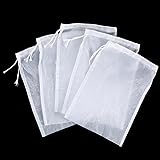
Boil the Hop Sock/Container
Whether new or previously used, boiling the hop bag for a few minutes ensures sterilization, eliminating any lurking bacteria or wild yeast. This step is a critical safeguard.
-
Sanitize in a Dedicated Container
After boiling, transfer the bag to a clean container and add more no-rinse sanitizer. This creates a highly sterile environment for loading the hops.
-
Maintain Hand Hygiene
Wash and sanitize your hands thoroughly before handling the bag or hops. Repeat this step if you touch any non-sanitized surfaces. This diligence significantly reduces the risk of introducing unwanted microbes into your pale ale.
-
Careful Loading
With the bag lining the sanitized container, carefully add the dry hops, ensuring nothing but the hops touches the bag. Tie a secure, loose knot, allowing the hops ample space to expand and interact with the beer.
Once loaded, the hop bag can be added to your fermenter. Contact time is also important; three to five days is typically sufficient to extract maximum aroma and flavor. Longer contact times, exceeding a week, should generally be avoided as they can lead to undesirable grassy off-flavors, detracting from the fresh, vibrant character of your Fast Party Pale Ale.
Enjoying Your Fast Party Pale Ale
The culmination of your efforts is a delightful, sunburst-orange pale ale, naturally hazy and full of character. Best served at 7-10°C (45-50°F), allowing the beer to warm slightly from fridge temperature will unveil its full spectrum of flavors and aromas. Serving it too cold can mute these complex notes, hiding the very essence you’ve worked so hard to cultivate.
The aroma profile is dominated by an appealing blend of mango, grapefruit, lime, and passionfruit, with subtle undertones of pine and stone fruit. Upon tasting, these tropical and citrus notes are at the forefront, leading into a pleasant apricot and pine finish with an easy grapefruit-like bitterness. This pale ale strikes a “happy middle ground” – nothing is excessive, yet nothing is faint. It’s simply a balanced and highly enjoyable brew.
Beyond the fruity explosion, the supporting grain bill provides a gentle sweetness, along with background flavors of caramel, biscuit, and nut, adding depth and complexity. This careful construction ensures mass appeal, making it a true Fast Party Pale Ale that’s sure to be a hit. Don’t be surprised if your keg runs dry quickly!
Quick Pour Q&A: Fast Party Pale Ale
What is the Fast Party Pale Ale?
It’s a homebrew recipe designed to create a delicious, crowd-pleasing pale ale with an approximate ABV of 4.9%. The recipe aims for a balanced flavor that appeals to a wide range of palates.
How quickly can I brew and enjoy this pale ale?
This recipe is designed for a fast turnaround, allowing you to go from grain to glass in as little as 7-10 days. This speed assumes you use a fast carbonation kegging method.
What kind of flavors and aromas can I expect from this pale ale?
You can expect a vibrant aroma with notes of mango, grapefruit, lime, and passionfruit, alongside subtle pine. The taste offers tropical and citrus flavors, balanced with a gentle bitterness and hints of apricot.
Why is water important for brewing the Fast Party Pale Ale?
Water constitutes over 90% of your beer, making its profile critical for the final taste. For this pale ale, tailoring your water to a classic hoppy profile helps complement the beer style and enhance its flavors.