Welcome, fellow brewers! If you have landed here, your objective is clear: to significantly enhance your brewing endeavors. The accompanying video offers five fundamental tips, accessible for both novice and experienced homebrewers. This comprehensive guide delves deeper into these critical areas. Superior beer production often hinges on these foundational principles. Let us explore how these strategies can transform your brewing outcomes.
Optimizing Homebrew Beer with Superior Ingredients
The foundation of exceptional beer is built upon its constituents. Fresh ingredients are paramount. Their impact on final product quality cannot be overstated. Understanding ingredient degradation is key. This knowledge allows for proactive measures. Your quest for better homebrew beer truly begins here.
1. The Criticality of Fresh Hops
Hops contribute aroma, flavor, and bitterness. Their volatile compounds are delicate. Oxidation and heat are significant enemies. These factors rapidly diminish hop potency. Imagine if your prized IPA lacked its signature punch. That scenario is often attributable to aged hops.
Pelletized hops offer some protection. They are less exposed to oxygen. However, even pellets degrade over time. Whole cone hops are even more susceptible. They possess a larger surface area. Essential oils dissipate quickly.
Proper storage is essential. Vacuum sealing is highly recommended. Storage at freezing temperatures is ideal. This practice preserves hop acids and oils. Always check the lot number and crop year. Older hops will possess diminished aromatic qualities. A sensory test can be performed. Compare a fresh sample with an older one. Differences in pungency and aroma will be evident. This practice hones your sensory evaluation skills. It aids in detecting substandard ingredients. Achieving a consistent beer profile demands vigilance.
2. Grain Quality and Milling Best Practices
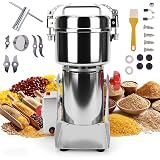
Grains provide fermentable sugars and body. Their freshness directly impacts enzyme activity. Enzymes convert starches into sugars. Stale grain leads to inefficient conversion. This affects both yield and flavor profile. Buying unmilled grain is advisable. Milling just before brewing is optimal. This protects the grain’s integrity. It preserves its delicate enzymes. The crushed grain’s surface area is then immediately available.
If buying online, unmilled grain is usually preferred. Local homebrew shops often mill on demand. This ensures maximum freshness. A proper mill gap is also crucial. It creates an ideal grist. Too fine a crush can lead to a stuck sparge. Too coarse a crush results in poor efficiency. Both outcomes negatively impact your final beer. A consistent grist size allows for optimal extraction. This contributes significantly to a better homebrew beer.
3. Yeast Viability and Health
Yeast is the most vital ingredient. It transforms wort into beer. Its health and cell count are critical. Yeast viability decreases over time. This process occurs regardless of storage conditions. A lower viable cell count prolongs lag time. It can also lead to incomplete fermentation. Off-flavors are often produced.
Always consult the manufacturing date. An expiration date provides less insight. A freshly packaged yeast culture offers superior performance. Imagine if your fermentation stalled, leaving a sweet, unfinished beer. Such scenarios highlight the importance of vigorous yeast. Proper storage in refrigeration slows viability loss. However, it does not stop it entirely. Ensuring optimal yeast health is an investment in quality.
Elevating Yeast Performance with Starters
A yeast starter is a small batch of wort. It is fermented ahead of your main brew. This practice significantly boosts yeast health. It increases the total viable cell count. This prepares yeast for the main fermentation. A day prior to brewing, this step can be initiated.
1. Building a Robust Yeast Population
Yeast needs a strong start. A starter provides this advantage. For a typical batch, use four to five ounces of dry malt extract. Combine this with one liter or quart of water. Boil this mixture briefly. Cool it rapidly. Then pitch your chosen yeast strain. Aerate the starter wort vigorously. This introduces oxygen. Oxygen is vital for yeast cell reproduction. It builds cell membranes.
The benefits are numerous. An increased cell count ensures a rapid start. This reduces the lag phase. A shorter lag phase minimizes contamination risks. Healthy yeast outcompetes spoilage organisms. It ensures a cleaner fermentation. This consistency leads to an improved homebrew beer.
Imagine if your fermentation began within hours. Such a rapid onset is often due to a healthy starter. It ensures full attenuation. It minimizes unwanted byproducts. This proactive approach supports superior flavor development. It truly is a simple step with profound impact.
Wort Oxygenation: A Cornerstone of Healthy Fermentation
The video highlighted this crucial aspect. Commercial breweries do this universally. They oxygenate every single batch. This practice is non-negotiable for quality. Oxygen is essential for yeast reproduction. It supports sterol synthesis. Sterols are vital for yeast cell membrane integrity. Without adequate oxygen, yeast struggles to propagate. They struggle to complete fermentation efficiently.
Many homebrewers overlook oxygenation. This can limit yeast performance. It compromises the final beer’s quality. Under-attenuation can occur. Off-flavors, like diacetyl, may persist. Imagine if your beer tasted buttery or cidery. These are often signs of insufficient oxygen.
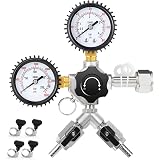
Methods for oxygenation vary. Vigorous shaking of the carboy is a basic option. An aeration stone connected to an air pump is better. Pure oxygen systems provide the most efficient method. These use an oxygen tank and regulator. They deliver dissolved oxygen quickly. Oxygenation should occur post-boil. It must be done just before pitching yeast. Hot wort should not be oxygenated. This can lead to unwanted oxidation later. Integrating this step elevates yeast performance. It ensures a cleaner, more consistent product. This is a clear path to better homebrew beer.
Precision in Fermentation Temperature Control
Temperature during fermentation is critical. It dictates yeast metabolism. Yeast produces various compounds. These compounds contribute to flavor and aroma. Uncontrolled temperatures yield inconsistent results. They often produce off-flavors.
1. Mitigating Off-Flavors from Temperature Swings
High fermentation temperatures are problematic. Yeast produces more esters. These can impart overly fruity notes. Fusel alcohols are also generated. These contribute harsh, solvent-like flavors. Imagine if your beer tasted like nail polish remover. This is a common symptom of high temperatures. Fermenting on the cooler side of a yeast’s range generally produces cleaner beer. This allows the subtle malt and hop characters to shine.
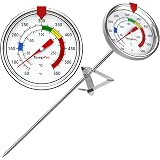
Conversely, excessively low temperatures can stall fermentation. Yeast activity slows considerably. Some strains may “go to sleep.” This leaves residual sugars in the beer. Warming the fermenter can reactivate the yeast. This helps ensure full attenuation. Temperature control devices are highly beneficial. Fermentation chambers, such as modified refrigerators, offer precise control. Temperature controllers manage heating or cooling. Even a simple swamp cooler can provide some benefit. Selecting a yeast strain appropriate for your ambient conditions is a practical compromise. This mitigates temperature-related issues. Consistent temperatures lead to consistently great beer. This is another vital aspect of improving homebrew beer.
Mastering Water Chemistry for Targeted Beer Profiles
Water is over 90% of beer. Its mineral content greatly influences flavor. It also impacts mouthfeel and mash pH. Advanced brewers often fine-tune their water. This allows for precise beer style replication. It ensures a specific flavor outcome.
1. Understanding Water’s Influence on Beer Style
Key ions include calcium, magnesium, and sulfate. Calcium enhances clarity and yeast flocculation. Magnesium contributes to bitterness. Sulfate accentuates hop bitterness. Chloride promotes maltiness and body. Bicarbonate influences mash pH. It impacts the perceived dryness or sweetness.
Imagine if you brewed an IPA with soft water. It would lack the crisp bitterness. It would miss the dry finish. These are characteristic of an authentic IPA. Conversely, a stout brewed with hard, mineral-rich water might taste harsh. Specific water profiles are tied to classic beer regions. Burton-on-Trent water is famed for IPAs. Dublin’s water suits stouts. Adjusting your brewing water is a sophisticated technique. It allows for intentional flavor manipulation.
Water adjustment tools are available. Gypsum (calcium sulfate) boosts sulfate. Calcium chloride enhances calcium and chloride. Lactic acid can lower mash pH. Brewing water calculators simplify this process. Consulting with a local homebrew shop expert is recommended. They can guide you through the complexities. Understanding and manipulating water chemistry is an advanced skill. It offers unparalleled control over your beer’s final character. It truly elevates the potential for better homebrew beer.
Still Hazy on Something? Your Homebrew Q&A
Why are fresh ingredients important for homebrew beer?
Fresh ingredients like hops, grains, and yeast are crucial because they directly impact your beer’s flavor, aroma, and fermentation efficiency. Using fresh ingredients prevents off-flavors and ensures your beer develops its intended characteristics.
What is a yeast starter and why should I use one?
A yeast starter is a small batch of wort that you ferment before your main brew. It helps increase the number of healthy yeast cells, leading to a faster and more complete fermentation with fewer off-flavors.
Why is it important to add oxygen to the wort before fermentation?
Oxygenating the wort (unfermented beer) just before pitching yeast is essential for yeast health and reproduction. It provides the necessary elements for yeast to grow strong cell membranes and ferment efficiently, preventing issues like under-attenuation or off-flavors.
Why should I control the temperature during fermentation?
Controlling fermentation temperature is critical because it dictates how yeast produces flavor compounds. Uncontrolled temperatures can lead to unwanted off-flavors, like overly fruity notes or harsh solvent-like tastes, and can also stall fermentation.