Across the globe, countless individuals are drawn to the intricate art of **homebrewing**, captivated by the prospect of crafting their own unique beverages. For many, the initial hurdle involves deciphering precisely what essential homebrewing equipment is genuinely indispensable. As highlighted in the accompanying video, the journey from raw ingredients to a delicious, fermented beverage necessitates a considered approach to gear acquisition. This guide aims to expand upon the video’s insights, offering a more detailed exploration of the tools that transform a novice into a proficient brewer, ensuring that quality beer can be consistently produced at home.
The acquisition of homebrew gear is often categorized into three distinct tiers: essentials, optional enhancements, and advanced components. This structured progression allows enthusiasts to gradually invest in their hobby, aligning purchases with growing expertise and brewing ambitions. Understanding these categories is pivotal for effective budget management and optimal brewing outcomes.
Essential Homebrewing Equipment: The Core of Your Craft
To successfully brew beer, certain fundamental pieces of **brewing equipment** cannot be overlooked. These items form the bedrock of any brewing operation, regardless of scale or complexity.
Brew Kettle: The Heart of the Boil
A brew kettle, or boil pot, is perhaps the most fundamental item on this list, as wort heating and boiling are critical steps in the brewing process. Its primary function is to heat water for mashing and to boil the wort after the mash, facilitating hop additions and sterilization. Initially, a large stockpot, typically holding 5-8 gallons (19-30 liters) for a standard 5-gallon batch, can be utilized on a stovetop. As brewing aspirations evolve, purpose-built electric kettles, such as the Digiboil mentioned in the video, are often favored for their integrated heating elements and precise temperature control. These specialized kettles significantly enhance consistency and ease of use. Consequently, the chosen kettle size should correspond to the desired batch volume, accommodating both the mash and boil phases.
Brew-in-a-Bag (BIAB): Simplicity in Mashing
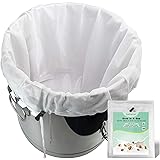
For those employing the Brew-in-a-Bag method, a specialized grain bag becomes an undeniable essential. This technique simplifies the all-grain brewing process by consolidating the mash tun and boil kettle into a single vessel. The milled grains are steeped within this large, fine-mesh bag inside the brew kettle. Subsequently, the bag is lifted and allowed to drain, separating the wort from the spent grains, which are then easily disposed of. This method is particularly popular among beginners due to its minimal equipment requirements and straightforward cleanup, thus making all-grain brewing more accessible.
Fermenter: Where the Magic Happens
Once the wort has been cooled, it must be transferred to a fermenter, a vessel where yeast is introduced to convert sugars into alcohol and carbon dioxide. Without a fermenter, beer simply cannot be made. Various materials are utilized for fermenters, each presenting distinct advantages and disadvantages:
- Plastic Fermenters: These are often the most economical choice, making them ideal for beginners. However, plastic can scratch over time, creating microscopic havens for microbes and bacteria, which can be challenging to sanitize completely and potentially lead to off-flavors. Discoloration may also occur with repeated use.
- Glass Carboys: Offering a visual advantage, glass fermenters allow brewers to observe the fermentation process directly. They are non-porous and generally easier to sanitize than plastic. Nevertheless, glass is inherently fragile and susceptible to shattering, posing safety risks and potential loss of product.
- Stainless Steel Fermenters: Considered the premium option, stainless steel offers superior durability, ease of cleaning, and resistance to scratches and microbial contamination. This material is excellent for conducting heat, which is beneficial when temperature control is desired. Furthermore, many stainless steel fermenters are capable of withstanding pressure, enabling advanced techniques such as pressure fermentation or closed transfers, significantly reducing oxygen exposure.
Airlock: The Breath of Fermentation
An airlock is a small, indispensable device that permits carbon dioxide to escape the fermenter while preventing external contaminants, such as wild yeast, bacteria, and airborne particles, from entering. A small amount of sanitizer solution is typically placed in the airlock, creating a barrier. Certain specialized fermenters, particularly pressure-rated vessels or those designed for open fermentation, may not require a traditional airlock. In such cases, the system is either entirely sealed (as in pressure fermenters) or intentionally exposed (as in traditional open fermentation methods), though the latter requires careful environmental control to mitigate risks of infection.
Thermometer: Precision in Temperature
Accurate temperature measurement is crucial throughout the brewing process, especially during mashing. If mash temperatures are incorrect, the enzymes responsible for converting starches into fermentable sugars will not function optimally, resulting in an unfermentable wort and, consequently, no beer. Brew kettles with integrated heating elements and controllers often feature built-in thermometers. For simpler setups, a reliable digital or analog thermometer is required to monitor mash temperature meticulously, ensuring that the desired enzymatic activity is achieved for proper sugar extraction.
Hydrometer: Tracking Fermentation Progress
A hydrometer is an essential tool for measuring the specific gravity of a liquid, which indicates the concentration of dissolved sugars. This measurement is critical for monitoring the progression of fermentation and determining when the beer is ready for packaging. By comparing the initial specific gravity (Original Gravity or OG) with the final specific gravity (Final Gravity or FG), the alcohol content of the beer can be accurately calculated. Basic floating hydrometers, available in plastic or glass, are widely used. More advanced options include refractometers, which require only a few drops of liquid, or electronic hydrometers, offering precise readings, albeit at a higher cost and with a need for regular calibration.
No-Rinse Sanitizer: The Unsung Hero
While not a piece of physical equipment, sanitizer is arguably the most critical “tool” in **homebrewing**. Any surface or piece of equipment that comes into contact with the cooled wort or fermented beer must be thoroughly sanitized to prevent contamination from unwanted microorganisms. These microbes can introduce off-flavors, spoil the beer, or even render it undrinkable. No-rinse sanitizers, such as Star San or Iodophor, are preferred for their effectiveness and convenience, as they do not require rinsing after application, minimizing the risk of introducing tap water contaminants.
Siphon, Tubing, and Bottling Wand: Controlled Transfers
For the safe and efficient transfer of beer, a siphon, appropriate tubing, and often a bottling wand are indispensable. These tools facilitate the movement of beer from the fermenter to bottles or kegs, minimizing aeration and disturbance of the yeast cake. A bottling wand, specifically, features a spring-loaded tip that allows for precise filling of bottles from the bottom up, further reducing oxygen exposure and foaming. For multi-vessel brewing systems, these components enable seamless transfers between different stages, such as from a primary to a secondary fermenter.
Bottles, Capper, and Lids: For Storage and Serving
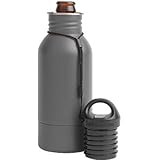
Once fermented, beer requires a vessel for storage, conditioning, and serving. Glass bottles, particularly amber-colored ones to protect against light-struck flavors, are commonly used. If reusable pry-top bottles are chosen, a bottle capper and an adequate supply of bottle caps (lids) are necessary to create an airtight seal, crucial for carbonation and preservation. Alternatively, flip-top (swing-top) bottles offer convenience, eliminating the need for a capper, though they may be more expensive initially.
Carbonation Drops or Priming Sugar: The Fizz Factor
To achieve the desired carbonation in bottled beer, a small amount of additional sugar, known as priming sugar, is added before bottling. Carbonation drops, which are pre-measured sugar tablets, simplify this process. Alternatively, bulk priming sugar (such as dextrose or corn sugar) can be dissolved in a small amount of boiled water and evenly distributed into the beer before bottling. The yeast, still present in the beer, ferments this added sugar within the sealed bottle, producing CO2 that dissolves into the liquid, resulting in natural carbonation. Accurate measurement is critical to avoid over or under-carbonation.
Stirring Spoon: Blending and Mixing
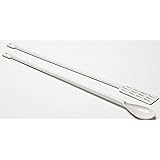
A long-handled stirring spoon is used for mixing grains during the mash, ensuring even temperature distribution and preventing “dough balls” where dry malt extract might clump. Stainless steel spoons are highly recommended over plastic, as they are more durable, easier to sanitize, and can withstand higher temperatures. It is advisable to maintain separate stirring utensils for brewing and cooking to prevent cross-contamination.
Cleaning Solution: Post-Brew Cleanup
Beyond sanitization, thorough cleaning of all **homebrewing equipment** is paramount. Specialized cleaning solutions, such as Powdered Brewery Wash (PBW) or its less expensive sodium percarbonate alternatives, are highly effective at breaking down organic matter, caked-on wort, and yeast residue. While bleach can be used, caution is advised as it can corrode stainless steel and, if not thoroughly rinsed, can lead to undesirable chlorophenol flavors in beer. Proper cleaning ensures that equipment is free from visible soil, allowing sanitizers to work effectively.
Heating Source: Powering the Kettle
A reliable heat source is essential for bringing large volumes of liquid to mash temperatures and, critically, to a rolling boil. For brewers using a basic kettle, a sturdy stovetop burner may suffice. As batch sizes increase or dedicated brewing spaces are established, propane burners or powerful electric heating elements become more practical, providing the necessary heat output for efficient boiling and mash temperature maintenance.
Optional Homebrew Gear: Enhancing Your Brewing Experience
While not strictly necessary for producing beer, these items can significantly improve efficiency, convenience, and the quality of your homebrew.
Bottle Brushes: For Meticulous Bottle Cleaning
Bottle brushes are designed to clean the interior of bottles, especially useful for reaching divots or stubborn residue. While some brewers find them indispensable, thorough rinsing of bottles immediately after consumption often negates the need for aggressive scrubbing. Nevertheless, for bottles with dried residue or those that have been stored for extended periods, a bottle brush can ensure cleanliness before sanitization.
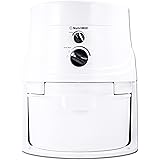
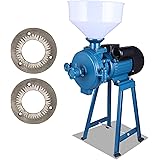
Grain Mill: Control Over the Crush
Although most homebrew shops offer milling services, owning a grain mill provides brewers with greater control over their crush size. This precision can impact mash efficiency and prevent issues like stuck sparges. Furthermore, unmilled grain has a longer shelf life than pre-milled grain, allowing for bulk purchases and milling only when ready to brew. This flexibility facilitates experimentation with different crush levels to optimize extraction.
Immersion Wort Chiller: Rapid Cooling
Rapidly cooling the wort after the boil, known as “chilling,” is crucial for minimizing the risk of infection and promoting a clear final product (cold break). An immersion wort chiller, typically a coil of copper or stainless steel tubing, is submerged directly into the hot wort, with cold water circulated through it. This method drastically reduces cooling time compared to an ice bath, which is a common alternative for beginners. Plate chillers and counterflow chillers are also available for even faster cooling, often integrated into more advanced pump-driven systems.
Hop Bag or Sieve: Clearer Beer
Using a hop bag or sieve helps contain hop matter during the boil and dry hopping, preventing it from entering the fermenter or finished beer. This aids in clarity and simplifies transfers, avoiding clogged siphons. While not strictly necessary, as hop particles will eventually settle, these accessories contribute to a cleaner, more professional-looking final product.
Yeast Starter: Boosting Yeast Health
A yeast starter is a small batch of wort used to propagate yeast before pitching it into the main batch of beer. This practice significantly increases the cell count of healthy, active yeast, leading to more robust and complete fermentations, especially for high-gravity beers or when using older yeast packets. While not always essential, a healthy pitching rate derived from a starter can prevent sluggish fermentations, off-flavors, and ensures consistent quality.
Storage Containers & Jars: Organization and Reusability
Effective organization of **homebrewing equipment** and ingredients is key to an efficient brew day. Storage containers, such as bins and Mason jars, help keep brewing salts, finings, or dry malt extract tidy and accessible. Furthermore, clean, reused food jars are excellent for harvesting and storing yeast from previous fermentations, or for preparing yeast starters, fostering sustainability within the hobby.
Spray Bottles: Efficient Sanitization
Spray bottles offer a convenient and economical method for applying sanitizer to equipment surfaces, particularly fermenter walls or countertops. This approach minimizes sanitizer waste compared to filling entire vessels, making spot sanitization quick and easy before contact with cooled wort or beer.
Secondary Fermenter or Racking Vessel: For Long-Term Conditioning
A secondary fermentation vessel, or racking vessel, is occasionally used for bulk conditioning or aging beer for extended periods, typically beyond one month. After primary fermentation, the beer is transferred off the yeast cake into this secondary vessel, preventing potential off-flavors that can arise from prolonged contact with spent yeast (autolysis). This practice is particularly common for lagers, fruit beers, or sour beers requiring lengthy maturation. It also facilitates uniform priming for bottling by allowing sugar to be mixed thoroughly with the entire batch prior to transfer to individual bottles.
Bottle Sanitizing Pump: Streamlined Bottling
For brewers who primarily bottle their beer, a bottle sanitizing pump can significantly speed up the sanitization process. This device allows sanitizer to be quickly and efficiently sprayed into each bottle, ensuring that all internal surfaces are treated before filling. This streamlines the packaging stage, a crucial step in preventing contamination.
Advanced Homebrewing Setups: Diving Deeper
For those thoroughly immersed in the hobby and seeking to push the boundaries of quality and control, advanced **homebrewing equipment** offers sophisticated capabilities. These items typically involve a higher investment of time, money, and learning.
Fermentation Chamber: Precise Temperature Control
Maintaining a stable and precise fermentation temperature is paramount for producing high-quality beer. While stable ambient temperatures (e.g., a basement) can suffice for basic control, a dedicated fermentation chamber provides active temperature regulation. This is often achieved with a modified refrigerator or freezer connected to an external temperature controller (such as an Inkbird). This setup allows brewers to dial in specific temperatures for different yeast strains and beer styles, preventing temperature swings that can cause off-flavors or stalled fermentations. The initial setup can be complex and costly, but the resulting consistency in beer quality is often considered invaluable.
pH Meter: Mash pH Optimization
The pH of the mash significantly impacts enzymatic activity, ultimately affecting mash efficiency, beer clarity, and flavor profile. A pH meter allows for precise measurement of mash pH, enabling brewers to make targeted adjustments using brewing salts or food-grade acids (e.g., lactic acid). While requiring careful calibration and maintenance, optimizing mash pH can lead to higher yields, more consistent fermentations, and superior beer characteristics. This level of control is typically pursued by brewers seeking to maximize their efficiency and fine-tune their recipes.
Pumps: Automated Liquid Transfers
In more elaborate brewing setups, particularly those involving multiple vessels or specialized chilling methods, pumps are employed to transfer wort efficiently. They are particularly useful for recirculating mash liquid or moving wort through plate chillers. While adding complexity and requiring additional cleaning, pumps can dramatically reduce manual labor and accelerate brew day operations, especially for larger batches or multi-tiered systems that do not rely solely on gravity.
Plate Chiller: High-Efficiency Cooling
A plate chiller is an advanced heat exchanger designed for extremely rapid cooling of hot wort as it is transferred from the boil kettle to the fermenter. Hot wort and cold water flow counter-currently through separate channels, allowing for highly efficient heat transfer. While exceptionally effective, plate chillers are more challenging to clean thoroughly than immersion chillers, often requiring backflushing with specialized cleaning solutions to prevent blockages and sanitize effectively.
Oxygen Tank & Carbonation Stone: Controlled Aeration
Yeast requires oxygen during the initial stages of fermentation to reproduce and build healthy cell membranes. While vigorous shaking of the fermenter can introduce some oxygen, an oxygen tank equipped with a carbonation stone allows for precise and controlled oxygenation of the wort. This ensures that the yeast has the optimal amount of oxygen for a strong, healthy start, leading to a more complete and predictable fermentation profile. This precision is typically sought by advanced brewers aiming for maximum yeast health and consistent results.
Kegs and Kegging Equipment: Draft Beer at Home
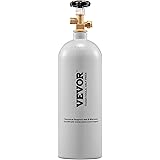
Transitioning from bottling to kegging represents a significant upgrade for many homebrewers. Kegs, typically 5-gallon stainless steel containers, allow beer to be carbonated and served directly from a tap, similar to commercial breweries. A full kegging system involves several components: the kegs themselves, a CO2 tank, a regulator, gas lines, beer lines, and a tap system. While the initial investment and learning curve can be substantial, kegging offers numerous advantages, including faster carbonation, easier serving, and simpler cleanup compared to bottling. It transforms the **homebrewing** experience into one of readily available draft beer.
Ultimately, the journey through **homebrewing equipment** is as varied as the beers that can be produced. From a simple pot and plastic fermenter to a sophisticated array of pumps and temperature-controlled chambers, each piece of gear supports the brewer’s evolving skill and vision. What remains consistent, however, is the foundational joy derived from creating and sharing unique, handcrafted beer. Understanding the purpose and function of each item is thus key to making informed decisions and enjoying the satisfying rewards of this engaging hobby.
Brewing Up Answers: Your Homebrew Gear Q&A
What is homebrewing?
Homebrewing is the process of making your own beer or other alcoholic beverages at home. It involves combining ingredients and using specific equipment to ferment them.
What essential equipment do I need to start homebrewing?
To begin homebrewing, you’ll need a brew kettle for boiling, a fermenter, an airlock, a thermometer, and a good no-rinse sanitizer. These basic tools are the core of any brewing operation.
Why is it important to sanitize equipment when homebrewing?
Sanitization is crucial to prevent unwanted microorganisms from contaminating your beer, which can cause off-flavors or spoil the entire batch. All equipment touching cooled wort or beer must be clean and sanitized.
What is a fermenter used for?
A fermenter is a vessel where yeast is added to the cooled wort, allowing it to convert sugars into alcohol and carbon dioxide. This is where your beer truly comes to life.
What is an airlock and what does it do?
An airlock is a small device that fits on top of your fermenter. It lets the carbon dioxide produced during fermentation escape while stopping outside air and contaminants from getting into your beer.