Did you know that mead, often referred to as “the Nectar of the Gods,” is arguably the oldest alcoholic beverage known to humankind, with archaeological evidence pointing to its creation as far back as 7000 BCE? This ancient drink, crafted from fermented honey and water, is experiencing a significant modern resurgence, captivating craft beverage enthusiasts and homebrewers alike. The accompanying video offers a visual journey into the process of creating traditional mead from start to finish, showcasing the hands-on steps involved.
However, understanding the ‘why’ behind each action is just as crucial as observing the ‘how.’ While a visual demonstration provides excellent guidance, a deeper dive into the science, technique, and subtle nuances can elevate a good mead to a truly exceptional one. This comprehensive guide will complement the visual steps by exploring the foundational principles of traditional mead making, ensuring your brewing endeavors are both successful and deeply satisfying.
Understanding Traditional Mead: A Brief History and Its Allure
Traditional mead, at its essence, is a deceptively simple beverage: honey, water, and yeast. Yet, within these few ingredients lies a world of complexity and potential. Unlike beer, which relies on malted grains, or wine, derived from fruit sugars, mead draws its character primarily from the varietal richness of honey, making it a unique fermentable matrix.
Historically, mead played a pivotal role in many cultures, often associated with celebrations, rituals, and even mythology. Norse sagas speak of mead as a source of poetic inspiration, while ancient Greek texts reference its divine qualities. In contrast to these historical contexts, today’s mead makers often embrace both traditional methods and modern scientific understanding to produce a wide spectrum of styles, from dry and crisp to sweet and richly textured.
The Core Elements: Ingredients for Crafting Traditional Mead
Just as a chef meticulously selects prime ingredients, the discerning mead maker understands that ingredient quality dictates the final product. Every component plays a critical role, contributing to the flavor profile, fermentation kinetics, and overall stability of the traditional mead.
Honey: The Soul of Your Mead
Honey is not merely a sweetener; it is the fermentable substrate, the primary flavor contributor, and the defining characteristic of mead. Different honey varietals, much like grape varietals in winemaking, impart distinct aromas, flavors, and even colors. For instance, orange blossom honey yields citrusy notes, while clover honey offers a more neutral, floral backdrop.
When selecting honey for your traditional mead, consider its provenance and processing. Raw, unpasteurized honey often contains more complex sugars and wild yeast, though modern brewing practices typically favor pasteurized honey for predictable fermentation. The amount of honey directly influences the potential alcohol content (PAC) and the final sweetness, a metric measured by specific gravity (SG).
Water: The Unsung Hero
Often overlooked, water quality significantly impacts the final taste and mouthfeel of your mead. Just as a fine tea benefits from filtered water, so too does mead. Highly chlorinated or mineral-rich tap water can introduce off-flavors or inhibit yeast activity, creating a harsh profile.
Conversely, distilled or reverse osmosis (RO) water provides a clean slate, allowing the subtle nuances of the honey to shine through. However, if using very pure water, you may need to add brewing salts to provide essential minerals for yeast health. The ideal water profile for traditional mead making is often neutral, acting as a clean canvas for the honey and yeast to express themselves.
Yeast: The Fermentation Engine
Yeast are the microscopic alchemists that convert honey’s complex sugars into alcohol and carbon dioxide, along with a myriad of secondary flavor compounds. Selecting the appropriate yeast strain is paramount, as different strains possess unique characteristics regarding attenuation (sugar conversion), flocculation (clumping and settling), temperature tolerance, and flavor contributions. For instance, a wine yeast like Lalvin EC-1118 is a robust fermenter suitable for high-alcohol meads, while a champagne yeast might finish very dry.
Understanding yeast’s specific temperature range is critical for optimal fermentation. Deviating too far from the ideal can lead to sluggish fermentation, stuck ferments, or the production of undesirable off-flavors such as fusel alcohols. Proper rehydration of dried yeast, following manufacturer guidelines, is a simple step that significantly improves pitching success and reduces stress on the yeast culture.
Nutrients: Fueling the Flocculation
Honey is notoriously deficient in the nitrogen, phosphates, and other micronutrients that yeast require for vigorous and healthy fermentation. Without adequate nutrition, yeast can become stressed, leading to slow or stuck fermentations, off-flavors (like hydrogen sulfide, presenting as rotten egg smells), and incomplete attenuation. This is where yeast nutrients come into play, providing the essential building blocks for robust cell division and activity.
Common yeast nutrients include Diammonium Phosphate (DAP), yeast hulls, and specialized blends like Fermaid O or Fermaid K. A staggered nutrient addition (SNA) schedule, where nutrients are added incrementally over the first few days of fermentation, is generally recommended. This approach, rather than dumping all nutrients at once, helps to mitigate osmotic shock to the yeast and ensures sustained vitality throughout the primary fermentation phase.
Essential Equipment for Mead Making: A Brewer’s Arsenal
Just as a painter needs brushes and canvas, a mead maker requires a specific set of tools. While the initial investment might seem daunting, many items are reusable and fundamental to efficient and sanitary brewing. The following are indispensable for traditional mead making:
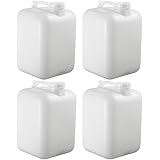
- **Fermentation Vessels:** Glass carboys or food-grade plastic buckets are suitable for primary and secondary fermentation. These must be equipped with an airlock to allow CO2 to escape while preventing oxygen ingress.
- **Hydrometer and Test Jar:** Essential for measuring specific gravity (SG), which indicates sugar content and tracks fermentation progress.
- **Auto-siphon or Racking Cane:** Used for transferring mead between vessels (racking) without disturbing sediment.
- **Bottling Bucket with Spigot:** Facilitates easy and sanitary bottling.
- **Bottles and Capper (with Caps):** Swing-top bottles are convenient, or standard beer bottles with crown caps.
- **Sanitizer:** A non-rinse sanitizer (like Star San) is critical for preventing contamination.
- **Thermometer:** To monitor fermentation temperatures and ensure yeast health.
The Crucial Foundation: Mastering Sanitation in Mead Production
Sanitation is arguably the single most important aspect of any fermentation process, including traditional mead making. Imagine building a house on a shaky foundation; similarly, without rigorous sanitation, your mead is highly susceptible to spoilage by wild yeasts or bacteria. These unwelcome microorganisms can introduce off-flavors (sour, vinegary, cheesy), produce undesirable hazes, or even render your mead undrinkable.
All equipment that will come into contact with your wort (the unfermented honey-water mixture) or mead post-boil (if you boil) must be scrupulously cleaned and then sanitized. Cleaning removes visible debris, while sanitizing eliminates microscopic contaminants. A common analogy is that cleaning is like washing your hands, and sanitizing is like using hand sanitizer; both steps are necessary for optimal hygiene. Neglecting this crucial step is a common pitfall for new brewers and the leading cause of failed batches.
Initiating the Alchemy: Primary Fermentation Explained
The primary fermentation phase is where the magic truly begins, as yeast consumes the honey’s sugars and begins its transformative work. This initial period is characterized by vigorous activity, often visible as bubbling in the airlock and a layer of foam (krausen) on the surface of the fermenting traditional mead.
After preparing your honey-water mixture (often called ‘must’), and ensuring its temperature is appropriate for your chosen yeast, you’re ready for pitching. Rehydrated yeast, gently introduced to the must, quickly gets to work. It’s often beneficial to aerate the must thoroughly at this stage – either by shaking the carboy or using an aeration stone – as yeast requires oxygen for healthy cell reproduction in the initial hours.
The Pitching Process and Initial Aeration
Pitching yeast is a delicate operation. Rehydrating dried yeast in sterile water at the correct temperature (usually around 95-105°F or 35-40°C) for 15-30 minutes before gently introducing it to the must helps ensure a robust start. Rapid cooling of the rehydrated yeast or pitching into must that is too cold can shock the yeast, leading to sluggish or stuck fermentations. Oxygenation is crucial for the first 24-48 hours, allowing the yeast to reproduce effectively before anaerobic fermentation fully commences. However, once fermentation has begun, introducing further oxygen is detrimental, leading to oxidation and stale flavors.
Monitoring Progress: Specific Gravity and Temperature
Throughout primary fermentation, diligent monitoring is key. Specific gravity (SG) readings, taken with a hydrometer, are your primary indicator of sugar consumption. An initial reading (Original Gravity or OG) establishes your starting point, and subsequent readings track the decline in sugar. When the SG stabilizes over several days, it indicates that primary fermentation is complete. Furthermore, maintaining a stable fermentation temperature, ideally within the yeast’s recommended range, prevents the production of off-flavors and ensures a clean fermentation. Imagine yeast as a finely tuned engine; it performs best under optimal operating conditions.
Refining the Brew: The Secondary Fermentation and Racking Phase
Once primary fermentation subsides, the mead often contains a significant amount of yeast sediment (lees) at the bottom of the vessel. This is where secondary fermentation, often accompanied by the process of racking, becomes crucial. Racking involves carefully transferring the mead from the primary fermenter to a clean, sanitized secondary vessel, leaving the bulk of the spent yeast and other particulates behind.
The purpose of racking is multifaceted: it removes the traditional mead from contact with dead yeast cells, preventing the development of ‘autolysis’ flavors (often described as rubbery or savory, like Vegemite) that can occur if the mead sits on heavy lees for too long. Furthermore, secondary fermentation allows the mead to clarify further, enabling any remaining suspended yeast or sediment to settle out. This period is also ideal for adding adjuncts like fruit, spices, or oak, allowing their flavors to meld and mature without the turbulence of vigorous primary fermentation. This stage is akin to a wine resting in barrels, allowing flavors to integrate and rough edges to soften.
The Art of Patience: Aging Your Traditional Mead
Unlike some beers that are best consumed fresh, traditional mead truly comes into its own with age. The aging process allows the complex flavors to meld, harsh alcohol notes to mellow, and the mead to achieve greater clarity and depth. Imagine a symphony orchestra; while individual instruments sound fine, the true beauty emerges when they play together in harmony over time. Mead is much the same, with various components needing time to integrate.
Aging typically occurs in a secondary fermentation vessel, often a glass carboy, topped up to minimize headspace and fitted with an airlock. This prevents oxidation while allowing any residual CO2 to escape. The duration of aging can vary significantly, from a few months for lighter, drier meads to several years for robust, high-alcohol traditional meads. Patience here is not just a virtue; it’s a critical component of crafting an exceptional beverage. During this period, phenolic compounds polymerize, esters develop, and the overall profile transforms, becoming smoother and more nuanced.
The Grand Finale: Bottling and Conditioning Your Mead
The final step in your traditional mead making journey is bottling and, optionally, conditioning. This stage requires meticulous attention to sanitation to preserve the quality you’ve diligently cultivated over months. Bottling is essentially transferring your finished, aged mead into individual containers, ensuring it remains stable and ready for enjoyment.
Before bottling, ensure your mead is fully degassed and completely still, meaning fermentation has truly ceased. You can choose to backsweeten your mead at this point, adding non-fermentable sugars or a combination of honey and a fermentation inhibitor (like potassium sorbate and potassium metabisulfite) to achieve your desired sweetness without restarting fermentation in the bottle. Alternatively, if you desire a sparkling traditional mead, a small amount of priming sugar can be added before bottling to create carbonation within the sealed bottles. Proper bottling techniques, including minimizing splashing to avoid oxidation and ensuring a tight seal, are paramount to long-term storage and enjoyment.
Ask the Meadmaster: Your Traditional Mead Q&A
What is mead?
Mead is an alcoholic beverage made from fermented honey and water, often referred to as “the Nectar of the Gods.” It is considered one of the oldest alcoholic drinks known to humankind.
What are the main ingredients for making traditional mead?
The core ingredients for traditional mead are honey, water, and yeast. You also use yeast nutrients to ensure a healthy and successful fermentation.
Why is sanitation important when making mead?
Sanitation is critically important to prevent spoilage by unwanted wild yeasts or bacteria. Cleaning and sanitizing all equipment helps avoid off-flavors or ruined batches.
What happens during primary fermentation?
Primary fermentation is the initial phase where yeast actively consumes the honey’s sugars, converting them into alcohol and carbon dioxide. This stage is often characterized by visible bubbling and foam.
Why is it recommended to age traditional mead?
Aging allows the complex flavors of the mead to blend and mellow, smoothing out harsh alcohol notes and achieving greater clarity and depth. Patience during aging is key to crafting an exceptional beverage.