Are you ready to transform your kitchen into a personal brewery and enjoy the unparalleled satisfaction of crafting your own beer? The Coopers DIY Beer brew kit makes this exciting journey accessible to everyone, from complete novices to those seeking a rewarding new hobby. While the video above provides an excellent visual walkthrough of the brewing process, mastering a few key details can significantly enhance your experience and the quality of your finished product. Let’s delve deeper into the essential steps for brewing exceptional beer at home, ensuring your first batch is a resounding success.
Getting Started with Your Coopers DIY Beer Kit: Precision in Preparation
Embarking on your home brewing adventure with the Coopers DIY Beer kit begins long before you mix any ingredients. Gathering all your chosen ingredients and checking their ‘best before’ dates ensures optimal freshness and flavor for your brew. Remember, fresher ingredients consistently yield superior results, making this initial check a surprisingly important step in the process. Another critical element often overlooked by beginners is water quality; utilizing filtered water becomes essential if your local supply contains significant chlorine, which can impart undesirable flavors to your final beer.
The single most common culprit behind a failed batch of homebrew is contamination, a fact often cited in brewing communities as responsible for a large percentage of beginner issues. Therefore, rigorous cleaning and sanitization of every piece of equipment that will touch your brew is non-negotiable. For the initial use of your brand-new Coopers DIY Beer kit, a thorough rinse with hot water effectively removes any manufacturing residues. However, for all subsequent brews, we strongly advocate for sanitizing your equipment with an unscented household bleach solution just before brewing begins; this proactive measure is your best defense against spoilage. After meticulous cleaning, reassemble your tap, wet the rubber O-rings, and attach the thermometer strip, preparing your fermenter for the upcoming magic. Lastly, selecting a stable location for your fermenter, away from direct sunlight and temperature fluctuations, is paramount for a consistent fermentation.
Mixing Your Ingredients and Mastering Temperature Control
Achieving the correct temperature for your brew is undeniably vital for yeast health and ultimately, the flavor profile of your beer. The video wisely suggests a ‘wet run’ without ingredients; this practice allows you to understand how your home water supply behaves and helps you achieve the desired temperature range consistently. Once you have a feel for your water, begin by adding the brew enhancer to your fermenting vessel, followed by approximately 2 liters of warm water to ensure complete dissolution. Next, open the brewing extract and pour it into the vessel, using a splash of warm water inside the can to retrieve any remaining contents, ensuring you utilize every bit of the valuable extract. Mix these components thoroughly with the provided spoon until fully combined.
Now, fill your vessel with cold water up to the 15-liter mark, noting the temperature displayed on your thermometer strip. This measurement provides a baseline for making further adjustments. Continue filling to the 23-liter mark, carefully using either hot or cold water to precisely adjust your brew’s temperature into the optimal 21 to 27 degrees Celsius range. Aiming for the lower end of this recommended spectrum, perhaps around 21-22°C, often leads to a cleaner fermentation and better-tasting beer. Should you observe small particles floating in your brew at this stage, do not be alarmed; this natural phenomenon is simply ‘cold break,’ composed of proteins and tannins that will settle out during fermentation.
Measuring Original Gravity: A Snapshot of Your Brew’s Potential
Before adding the yeast, measuring the original gravity (OG) of your brew provides a crucial snapshot of its sugar content, which directly correlates to the potential alcohol by volume (ABV) of your finished beer. To perform this step, carefully draw a sample from the tap into your sample tube, discarding the first half-fill to ensure a representative sample. Then, draw enough brew to float your hydrometer freely within the tube. Read the gravity scale at the meniscus, which is the curved surface of the liquid where it meets the hydrometer stem, and meticulously record this initial reading. This data point becomes invaluable when you later calculate your beer’s final ABV.
Adding Yeast and Beginning Fermentation
Once your original gravity is recorded, prepare to pitch your yeast. First, fit the Krausen Kollar to your fermenter, ensuring it is securely in place. Then, evenly sprinkle the dry yeast over the entire surface of your brew. Resist the urge to stir the yeast; it will rehydrate naturally and begin its work effectively on its own. Promptly fit the lid to the Krausen Kollar, securing it with the lid clips, but be careful not to clip the Kollar directly to the fermenter body. Introducing the yeast as soon as possible is critical, even if your temperature is slightly outside the perfect range, as active fermentation starting promptly is more important than waiting for a few degrees of temperature adjustment.
The Fermentation Journey: Temperature, Time, and Patience
The fermentation period is where the magic truly happens, as the yeast converts sugars into alcohol and carbon dioxide. While yeast can tolerate a wider temperature range, maintaining a consistent temperature, ideally at the lower end of the 21° – 27° C spectrum (e.g., 20-22°C), is paramount for producing a clean, well-balanced beer. Temperature swings can stress the yeast, potentially leading to undesirable off-flavors. Within 12 to 24 hours of pitching, you will observe clear signs of active fermentation: a foamy head (known as krausen) forming on the surface and the brew becoming noticeably cloudy. During this initial, vigorous fermentation phase, keeping the lid securely fitted is essential, as unnecessary lid removal can easily introduce contaminating bacteria or wild yeasts.
On day three of fermentation, or once the thick foam has begun to subside, it’s time to remove the Krausen Kollar for cleaning. Carefully unclip and remove the lid, then detach the Kollar, and immediately replace the lid to protect your fermenting beer. The Krausen Kollar is often dishwasher-safe, making cleanup simple and efficient. The remaining fermentation period primarily requires patience; allow the yeast to complete its work undisturbed, ensuring a full and proper attenuation of sugars.
Testing for Readiness: Knowing When Your Brew Is Complete
Around day six, you will begin testing the specific gravity of your brew again. This measurement, known as ‘final gravity’ (FG), indicates how much sugar the yeast has consumed. Draw a sample from the tap using your sample tube, and if the sample appears excessively foamy, gently degas it by rocking the tube before inserting the hydrometer. Continue testing the specific gravity each day; your brew is officially ready for bottling once the specific gravity remains stable for two consecutive days. This consistent reading confirms that the yeast has finished its primary fermentation activity.
At this crucial point, we highly recommend performing a taste and smell test of your brew. This informal evaluation allows you to detect any potential issues before bottling. A healthy brew should have a pleasant, beery aroma and taste relatively clean, perhaps a little flat without carbonation, but free from any sour, vinegary, or unusually funky notes. If your brew smells and tastes acceptable, you are ready to proceed to the exciting bottling stage.
The Bottling Process and Secondary Fermentation
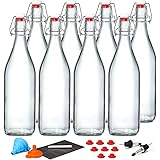
Bottling is the final step before you can truly enjoy your homemade Coopers DIY Beer. For bottles being used for the very first time, a simple rinse with warm water suffices. However, for any bottles previously used, thorough cleaning and sanitization are absolutely necessary to prevent contamination of your finished beer. To facilitate easy filling, install your bottling valve by slipping it inside the tap, then switch the tap to the fully open position. This setup allows for continuous, mess-free filling, though placing a container beneath the valve to catch any incidental drips is always a good idea.
Fill each bottle close to the brim; when the bottling valve is removed, the remaining space will be the ideal headspace for proper carbonation. For optimal carbonation in 740 to 750 ml bottles, add two carbonation drops to each bottle. These drops provide a measured amount of sugar that the yeast will consume during secondary fermentation, creating the desired fizz. Securely screw the caps onto the bottles, ensuring a tight seal to contain the newly generated carbonation. Store your bottled beer out of direct sunlight and at a consistent temperature of 18 degrees Celsius or higher for a minimum of two weeks. This period allows the secondary fermentation in the bottle to complete, conditioning your delicious Coopers DIY Beer to perfection.
Brewing Up Answers: Coopers DIY Beer Q&A
What is the Coopers DIY Beer kit used for?
The Coopers DIY Beer kit allows you to brew your own beer at home, making it accessible for beginners to craft around 23 liters of beer.
What is the most important step before I start brewing?
The most crucial step is rigorously cleaning and sanitizing every piece of equipment that will touch your brew to prevent contamination. This is key for a successful batch.
Why is temperature important when mixing my ingredients?
Achieving the correct temperature (ideally 21-27 degrees Celsius) is vital because it ensures the yeast stays healthy and significantly impacts the final flavor of your beer.
What is ‘original gravity’ and why should I measure it?
Original gravity (OG) measures the initial sugar content in your brew before fermentation. Measuring it helps you determine the potential alcohol by volume (ABV) of your finished beer.
What happens after I bottle my homemade beer?
After bottling, you add carbonation drops and seal the bottles to allow for a secondary fermentation. This process creates the desired fizz and conditions your beer.