For many aspiring homebrewers, the prospect of crafting a specialty brew like a **braggot** can seem daunting. This unique **mead beer hybrid**, blending the richness of honey with the complexity of malt, is often perceived as requiring advanced techniques and an arsenal of specialized equipment. However, such intricate processes do not always have to be the case. What if a remarkably flexible and accessible recipe existed, allowing newcomers to explore this fascinating style without intimidation?
The “Wampus Cat” recipe, as highlighted in the video above, presents a fantastic solution for those eager to dive into the world of **braggots**. This particular mead beer hybrid is designed with simplicity and adaptability at its core, making it an ideal entry point for beginners while still offering seasoned brewers ample room for creative experimentation. It proves that a sophisticated beverage can indeed be created with minimal gear and a straightforward process, democratizing the art of brewing this delightful blend.
Unlocking the World of Braggots: The Wampus Cat Advantage
The Wampus Cat **braggot** stands out as an exceptionally flexible recipe, a true open sandbox for homebrewers. Its base formulation is designed to be easily modified, allowing for diverse flavor profiles to be explored without straying too far from a successful foundation. This adaptability is particularly appealing for those who enjoy customizing their brews.
One primary area for customization lies with the hops. While the original recipe effectively utilizes Centennial hops, a broad spectrum of aroma additions can be introduced. Varieties like Citra, known for its strong citrus and tropical notes, Pacific Jade, offering a refreshing lime and spice character, or Calypso, with its distinct pear and apple nuances, are often considered for their aromatic contributions. These substitutions can dramatically alter the sensory experience of the finished **mead beer hybrid**.
Similarly, the choice of Kveik ale yeast offers immense versatility. Kveik strains are celebrated for their ability to ferment at high temperatures while producing a wide range of unique esters and phenols. Voss, for instance, typically imparts citrusy and slightly hoppy notes, whereas HotHead can yield more funky, ester-driven flavors. For those seeking a cleaner profile, Lutra is often recommended for its neutral fermentation, while Hornindal can provide a more ester-forward yet balanced character. Each yeast selection effectively guides the **braggot** toward a distinct flavor journey.
Beyond hops and yeast, the body and mouthfeel of this **braggot** can be effortlessly adjusted. The Wampus Cat is inherently thin-bodied, crafted to be a light, honey-forward beer. However, a creamier mouthfeel is often desired; thus, adding lactose can lend a smooth, thick, and rich texture. Alternatively, maltodextrin can be incorporated to provide a cleaner “heft” and “chew,” enhancing the way the brew coats the palate without adding sweetness. Even the addition of a few ounces (typically 4-6 ounces) of specialty grains, such as biscuit malt for a sugar cookie note or a roasted malt for coffee-like undertones, can introduce another layer of flavor complexity.
This recipe is particularly celebrated for its beginner-friendly attributes. Crucially, no nutrient additions are required during fermentation, which simplifies the process considerably, especially for new mead makers who are often taught the importance of nutrient regimens. The honey malt present in the recipe is deemed sufficient to support healthy yeast activity. Furthermore, specialized brewing equipment is not a prerequisite for a 5-gallon batch; a standard 7-quart Dutch oven or any stockpot holding at least 1.5 gallons is often adequate, eliminating the need for large brew kettles or propane burners.
Essential Ingredients for Your Braggot Brew
Crafting the Wampus Cat **braggot** relies on a judicious selection of ingredients, each contributing significantly to its unique profile. The precise measurements are crucial for replicating the intended balance and flavor.
The core of this **mead beer hybrid** consists of:
- 4.5 pounds of Wildflower Honey
- 1.5 pounds of Buckwheat Honey
- 1 pound of Honey Malt
- 1.5 ounces of Centennial Hops
- Spring Water, filled to a total volume of 5 gallons
- Kveik Ale Yeast (Voss or HotHead are recommended starting points)
The choice of honey is paramount. Wildflower honey forms the bulk, providing a classic, floral sweetness. However, the inclusion of buckwheat honey is considered vital for the Wampus Cat’s distinctive character. Buckwheat honey, which is often as thick as molasses, contributes a pungent, earthy, and slightly malty quality. This robust profile effectively bolsters the overall honey character while amplifying the maltiness derived from the grains, leading to a more complex and well-rounded **braggot**.
Honey malt, at 1 pound, plays a pivotal role in the grain bill. This specialty malt is known for its sweet, honey-like flavor and aroma, alongside a color profile of 25 SRM. It is produced by restricting oxygen flow during the sprouting process, causing the grain bed to heat up and develop rich sugars and flavors without astringent roast notes. While honey malt possesses a diastatic power of 50, meaning it can convert its own starches into sugars, its primary purpose here is flavor contribution rather than extensive starch conversion, especially since it is used without a significant base malt.
Centennial hops, totaling 1.5 ounces, provide both bittering and aromatic qualities. This hop variety is prized for its balanced citrus, floral, and pine characteristics, making it a versatile choice for a range of beer styles. The dual addition strategy ensures a pleasant bitterness to balance the sweetness of the honey, complemented by a fresh hop aroma in the finished **braggot**.
Finally, a Kveik ale yeast is recommended for its distinctive fermentation characteristics. These yeast strains, originating from Norwegian farmhouse traditions, are capable of fermenting at higher temperatures (often in the 80s and 90s F) without producing off-flavors, and they contribute unique esters that complement the honey and malt profile of this mead beer hybrid. For initial brews, Voss or HotHead are typically suggested, offering reliable and characterful fermentation.
Brewing It Up: Step-by-Step for a Perfect Mead Beer Hybrid
The brewing process for the Wampus Cat **braggot** is straightforward, designed to be achievable with basic kitchen equipment. Following these steps ensures a successful creation of this unique **mead beer hybrid**.
Preparing Your Grains and Strike Water
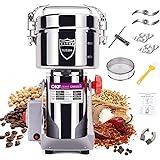
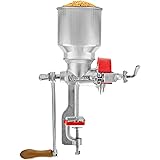
The process begins with the honey malt. If a grain mill is unavailable, grains can be purchased pre-milled from a local homebrew store. Alternatively, a coarse crush can be achieved using a blender or a rolling pin; however, fine milling into a powder should be avoided, as this can lead to acrid flavors due to the extraction of astringency-causing bitter phenols from the grain husks. The crushed grains are then placed into a grain bag, ready for steeping.
Next, strike water is heated. The target temperature for the strike water is approximately 166°F (75°C), which is about 10-15°F hotter than the desired mash temperature. This is because the addition of grains will naturally cool the water down. A minimum of 1.5 gallons of liquid is needed for this initial step, easily managed in a 7-quart Dutch oven or similar stockpot.
The Mash/Steep: Extracting Flavor and Sugars
Once the strike water reaches temperature, the grain bag is carefully introduced. The goal is to maintain the mash liquid within a temperature range of 150°F to 155°F (65.5°C to 68°C) for approximately 1 hour. This temperature range is critical for the enzymes within the honey malt to convert starches into fermentable sugars. Honey malt, with its diastatic power of 50, has sufficient enzymatic activity for self-conversion, meaning it can break down its own starches. This process is essentially a form of steeping, designed primarily to extract the rich honey malt flavor, which is a key component of this **braggot**.
To maintain a consistent temperature, the pot with the mash can be placed into an oven with a warming feature. During this hour, enzymes like Alpha Amylase and Beta Amylase are active, transforming the starches into various sugars. While a full beer mash would use a larger volume of grains with significant diastatic power, here, the honey malt primarily contributes its distinctive flavor and a modest amount of fermentable sugars.
Sparging and Boiling for Flavor and Bitterness
After the 1-hour steep, the Dutch oven is removed from the oven, and the grain bag is carefully lifted and allowed to drain. To maximize the extraction of flavors and sugars, the grains are sparged by rinsing them with warm water. This process helps to wash out any remaining desirable compounds. The grain bag is then gently squeezed to recover as much liquid as possible, preparing the wort for the boil.
A hop spider, tea bags, or a tea ball is often utilized to contain the hops, preventing large hop particles from entering the wort. The 1-hour boil then commences. At the beginning of the boil, 0.5 ounce of Centennial hops is added for bittering. The sustained heat of the boil helps to isomerize the alpha acids in the hops, creating the desired bitterness. Should a less bitter **braggot** be preferred, this initial hop addition can be omitted.
With 15 minutes remaining in the boil, a Whirlfloc tablet is introduced. Whirlfloc, a blend of Irish moss and purified carrageenan, effectively helps to clarify the brew by binding to and settling out particulate matter after primary fermentation. Simultaneously, the remaining 1 ounce of Centennial hops is added. This later hop addition is crucial for contributing aroma to the **mead beer hybrid**, ensuring a pleasant bouquet without imparting additional bitterness. If an alternative hop variety like Pacific Jade were to be used, it would typically be substituted for this late aroma addition.
Honey, Non-Fermentables, and Fermentation
Upon flameout, with the boil completed, the hops are strained out. This is an opportune moment to incorporate non-fermentable additions like lactose or maltodextrin, as they dissolve readily in the hot wort. It is important to note that these additions will impact gravity readings; while they increase the initial potential alcohol by volume, they are not consumed by yeast. Therefore, the final gravity may settle around 1.015-1.020, rather than below 1.000, due to their added density.
Next, the honey is introduced into the brew bucket. The 4.5 pounds of wildflower honey and 1.5 pounds of buckwheat honey are added. Buckwheat honey, being quite viscous, may require a brief warming in a microwave to facilitate pouring and mixing. Its earthy, pungent notes are considered essential for bolstering the malt and honey profiles of the **braggot**. The hot mash liquid is then carefully poured over the honey, followed by thorough stirring to ensure complete incorporation.
The mixture is then topped up with spring water to reach a total volume of 5 gallons. The original gravity (OG) for this **mead beer hybrid** typically registers around 1.042. Once cooled to an appropriate temperature (often warm for Kveik strains), the Kveik ale yeast, such as Tormodgarden as demonstrated in the video, is pitched dry. The fermentation vessel is then sealed with an airlock, and fermentation is allowed to proceed, generally completing within approximately 2 weeks.
Clearing and Carbonating Your Braggot
After about 2 weeks, once fermentation is confirmed to be complete, the **braggot** is carefully racked off the yeast cake into a secondary fermenter. At this stage, a fining agent such as Sparkalloid can be introduced to aid in clarification. A tablespoon of Sparkalloid is typically dissolved in 1 cup of boiling water, stirred thoroughly, and then added to the secondary. This agent works by bonding to suspended particulates, causing them to drop to the bottom and form a compact sediment, resulting in a clearer finished product. The airlock is re-applied, and the braggot is allowed to clarify.
For carbonation, a method of racking onto a measured amount of priming sugar is employed. This sugar is thoroughly mixed into the entire batch before immediate bottling. The yeast remaining in the brew then consumes this priming sugar within the sealed bottles, producing a small amount of additional alcohol and, crucially, CO2. This CO2 dissolves into the liquid, carbonating the **mead beer hybrid**. This bottle conditioning process can take anywhere from 2 weeks to several months, depending on ambient temperature and the activity level of the yeast. Once carbonated, the bottles are moved to refrigeration to be served chilled, enhancing the crisp and refreshing qualities of the Wampus Cat **braggot**.
Tasting Notes and Customization: Elevating Your Braggot Experience
The Wampus Cat **braggot** offers a delightful sensory experience, particularly when served chilled. Its profile is characterized by a unique blend of malty and honey notes, often accompanied by a distinctive “funky” yeast character that firmly positions it as a **mead beer hybrid**.
On the nose, expect a malty funk, often with hints of cereal grain aromatics, complemented by the unmistakable presence of honey. Specific Kveik strains can significantly influence this. For instance, Kveik Tormodgarden, as noted in the video, can introduce a peppery funk and unusual esters. Beginners might find Kveik Voss or Lutra to offer a more straightforward, cleaner profile. The pungent, earthy notes of buckwheat honey are also detectable, contributing to the overall complexity and depth.
Upon tasting, the Wampus Cat is typically light and crisp. An initial “pithy, orange zest” bite can be experienced, particularly when certain yeast strains are used, which then transitions into delicate, light, beery, and malty notes. As the brew is swallowed, a subtle honey flavor emerges on the exhale, leaving a refreshing finish. Despite its crisp fermentation, the honey malt effectively helps retain those delicate hints of honey character, ensuring it remains distinctly a **braggot**.
For those who prefer a sweeter beverage, a small addition of erythritol at bottling can be considered. This non-fermentable sugar can provide a touch of sweetness without impacting the carbonation process. However, the Wampus Cat is often appreciated for its balanced profile in its purest form.
The recipe’s flexibility truly shines in its customization potential. Experimentation with different hop varieties for aroma, such as those mentioned previously, can introduce new layers of citrus, tropical, or spicy notes. Incorporating specialty grains like biscuit wheat (perhaps 4-6 ounces) can lend a more toasty and bready characteristic, drawing it closer to a heavy malt beer while retaining its unique braggot identity. The choice of Kveik yeast itself is a powerful lever for flavor, with each strain capable of producing unexpected and exciting ester profiles, demonstrating how changing a single element can yield dramatically different results in successive batches of this intriguing **mead beer hybrid**.
Braggot Q&A: Hopping to Answer Your Hybrid Brewing Queries
What is a braggot?
A braggot is a unique alcoholic beverage that combines elements of both mead (made from honey) and beer (made from malt). It’s often referred to as a mead beer hybrid.
Is making a braggot difficult for a beginner?
No, the “Wampus Cat” recipe highlighted in the article is designed to be very simple and beginner-friendly. It shows that you don’t need advanced techniques or lots of special equipment to make one.
What special equipment do I need to make the Wampus Cat braggot?
You don’t need special brewing equipment for a 5-gallon batch; a standard 7-quart Dutch oven or any stockpot holding at least 1.5 gallons is usually enough.
What is Kveik yeast and why is it used in this recipe?
Kveik yeast is a special type of yeast that can ferment effectively at higher temperatures without producing off-flavors. It’s recommended because it contributes unique, desirable flavors that complement the honey and malt in the braggot.
Do I need to add special yeast nutrients to this braggot recipe?
No, for the Wampus Cat recipe, you do not need to add nutrient additions during fermentation. The honey malt in the recipe is sufficient to support healthy yeast activity.