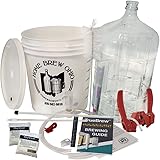
The question, “How long does it take to make beer?” is often asked by aspiring homebrewers. A typical pale ale takes 3 to 6 hours for brewing. Fermentation then spans 1 to 2 weeks. Conditioning and carbonation add about one more week. Thus, the total process for an ale ranges from 1 to 3 weeks. This article expands on the timeline shown in the video above, providing more detail on each crucial step in the journey of making beer.
Understanding the Beer Making Timeline
Making beer involves several distinct stages. Each stage is vital. It contributes to the final product. The total duration depends on many factors. Beer style is a major one. Your chosen method also plays a role. Equipment can affect the process. Patience is a key ingredient. Brewing beer is a rewarding hobby.
The Brewing Day: Mashing, Lautering, and Boiling
The initial brewing process is often called “brew day.” This stage usually takes between 3 and 6 hours for an ale. Many steps are included here. Each requires careful attention.
Mashing and Lautering: Extracting Sugars
Mashing is the first step. Here, crushed grains are mixed with hot water. This creates a “mash.” Enzymes in the grains convert starches into fermentable sugars. This process typically lasts 60 to 90 minutes. Temperature control is critical. Too hot or too cold can affect sugar conversion. Next, lautering occurs. Sweet liquid, called “wort,” is separated from the spent grains. This separation process often includes sparging. More hot water is rinsed through the grain bed. This extracts residual sugars. This part can take 30 to 60 minutes.
Boiling and Hopping: Flavor and Stability
The wort is then brought to a boil. This boil lasts for 60 to 90 minutes. Boiling sterilizes the wort. It also extracts hop compounds. Hops add bitterness, flavor, and aroma. Hops are added at different times. Early additions provide bitterness. Later additions contribute aroma. Cooling the wort quickly is important. A wort chiller is often used for this. Rapid cooling prevents off-flavors. It also prevents contamination.
Fermentation: Yeast Transforms Wort into Beer
Fermentation is where the magic happens. Yeast is pitched into the cooled wort. It consumes the sugars. Alcohol and carbon dioxide are produced. This stage is crucial for making beer. For an ale, fermentation generally takes 1 to 2 weeks.
Primary Fermentation: Active Yeast Activity
Primary fermentation begins quickly. Visible activity is common. A “krausen” layer forms on top. This is a thick foam. Airlocks bubble vigorously. Most sugar conversion happens here. Specific gravity is monitored. It indicates sugar levels. When bubbling slows, activity is finishing. This stage typically lasts 5-10 days. The yeast health greatly impacts this duration.
Secondary Fermentation (Optional): Clarification and Conditioning
Sometimes, a secondary fermentation is used. The beer is transferred to a second vessel. This leaves sediment behind. It helps to clarify the beer. It also aids in subtle flavor development. This stage is less active. It can last for several days to a week. For many ales, this step is skipped. Modern yeast strains often clarify well in primary. However, it can improve certain styles. Lagers almost always need a secondary stage, known as lagering, which takes much longer.
Conditioning and Carbonation: Finishing Touches
After fermentation, the beer needs time. It needs to mature. This stage is called conditioning. It also needs carbonation. This process typically takes about one week. Sometimes, it can take longer.
Conditioning: Flavor Maturation
Conditioning allows flavors to meld. Any harsh notes can soften. Residual yeast drops out. This improves clarity. The beer rests at a stable temperature. This can be at room temperature. Or it can be cold. “Cold crashing” is often done. This means chilling the beer significantly. This helps clear the beer faster. It can take 3-7 days or more.
Carbonation: Adding the Fizz
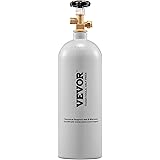
Carbonation adds the bubbles. It makes beer enjoyable. Two main methods exist. They are natural carbonation and forced carbonation. Natural carbonation involves priming sugar. A small amount is added to the beer. Yeast consumes this sugar in the bottle or keg. This produces CO2. It carbonates the beer naturally. This method takes 1-2 weeks in bottles. Forced carbonation uses CO2 tanks. Gas is injected directly into a keg. This method is faster. Beer can be carbonated in a few days. However, equipment is needed. The desired level of fizziness influences duration. A well-carbonated beer is often sought after. This final step completes the making beer process.
From Grain to Glass: Your Brewing Time Questions Answered
How long does it typically take to make a batch of beer?
For a typical ale, the entire process from brewing to being ready to drink usually takes about 1 to 3 weeks, which includes brewing, fermentation, and conditioning.
What are the main stages involved in making beer?
Making beer involves several distinct stages: the initial brew day, fermentation where yeast converts sugars, and finally conditioning and carbonation to finish the beer.
What happens during the initial ‘brew day’?
During brew day, crushed grains are mixed with hot water to extract sugars (mashing), and then the sweet liquid (wort) is boiled with hops for flavor and sterilization. This stage typically takes 3 to 6 hours.
What is fermentation and how long does it last for an ale?
Fermentation is when yeast is added to the cooled wort, consuming sugars and producing alcohol and carbon dioxide to create beer. For an ale, this crucial stage generally takes 1 to 2 weeks.
What is carbonation and why is it important?
Carbonation is the process of adding bubbles to the beer, which makes it fizzy and enjoyable to drink. It’s often one of the final steps and can be achieved naturally or by using a CO2 tank.