Are you contemplating brewing your own brown ale, but perhaps feel daunted by the intricacies of all-grain brewing? The companion video above offers an engaging glimpse into the process of creating a distinctive brown ale, affectionately dubbed “Face Down Nut Brown.” This detailed article is intended to complement that visual guide, providing an in-depth exploration of the techniques, ingredients, and scientific principles essential for crafting a superb all-grain brown ale.
Understanding the Essence of a Brown Ale
A brown ale, at its core, is a beer style celebrated for its malty character, often featuring notes of caramel, toffee, nuts, and sometimes chocolate or dark fruit. Its history is deeply rooted in English brewing traditions, originally bridging the gap between lighter ales and more robust porters. Over time, regional variations emerged, each with its unique profile. For instance, the video’s inspiration, which includes an homage to Columbus Nut Brown and Face Down Brown, and a nod to Moose Drool, points towards a preference for an American-style brown ale.
Stylistic guidelines, often referenced from authoritative texts such as “Designing Great Beers,” provide a framework for brewers. Typically, brown ales are characterized by an Original Gravity (OG) ranging from 1.040 to 1.055, indicating a moderate starting sugar content. The bitterness, measured in International Bitterness Units (IBUs), generally falls between 15 and 35. It is noteworthy that American iterations of brown ales frequently feature higher IBU levels, affording them a more pronounced hop presence compared to their English counterparts. The color, quantified by Standard Reference Method (SRM), spans a broad spectrum from 8 to 50, encompassing various shades of amber and brown. Alcohol By Volume (ABV) for standard brown ales is commonly observed between 4% and 5.5%. However, as illustrated by the Hi-Wire Brewing Bed of Nails Brown Ale sampled in the video, American browns can occasionally push these boundaries, reaching approximately 6.1% ABV, which is indicative of a more robust interpretation of the style.
Key Ingredients for Your Brown Ale Recipe
The foundation of any great beer lies in its grain bill. For the “Face Down Nut Brown” featured in the video, a thoughtfully selected array of malts was utilized to achieve the desired flavor and color profile. Each malt plays a crucial role:
-
Pale Malt: This constitutes the vast majority of the grain bill, serving as the base malt. It provides the fermentable sugars necessary for alcohol production and forms the underlying malty backbone of the beer. Its light color ensures that the specialty malts can dictate the final hue.
-
Crystal 60 and Crystal 80: These caramel malts are integral for imparting rich caramel, toffee, and toasted notes. The numbers (60L and 80L) denote their Lovibond rating, indicating their color and, by extension, the intensity of their flavor contribution. Crystal 60 contributes medium caramel notes, while Crystal 80 offers a deeper, more pronounced caramel sweetness and body. These malts contain unfermentable sugars, thus contributing to the beer’s body and residual sweetness, which can be balanced by a drier mash temperature.
-
Chocolate Malt: Despite its name, chocolate malt does not necessarily contribute chocolate flavor, but rather a robust, roasty character and a significant deepening of the beer’s color. Used sparingly, it provides complexity and a dry, coffee-like finish without overwhelming the balance, especially when employed in a brown ale where a more subtle roast is desired compared to stouts or porters.
-
Black Patent Malt: This is an intensely roasted malt primarily used for color adjustment, offering the darkest possible hues in beer. Even in small quantities, as suggested by the recipe, it can dramatically darken the beer. Furthermore, it contributes a dry, sharp, and slightly acrid roast character. Its precise application in a brown ale recipe is critical to ensure it enhances complexity without introducing an overly burnt or astringent flavor.
The synergy of these malts results in a brown ale that is layered with character, boasting a spectrum of flavors from subtle caramel to a hint of roast. The specific proportions of these specialty malts are instrumental in achieving the distinctive “Face Down Nut Brown” profile.
The All-Grain Brewing Process: From Mash to Fermentation
The all-grain brewing method, as demonstrated in the video, involves extracting fermentable sugars from malted grains through a process called mashing. This intricate process requires meticulous control and understanding.
Precision in Grain Preparation and Mashing
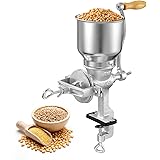
Before mashing, the grains must be properly crushed. As was highlighted, a tighter gap setting on a grain mill, often comparable to the thickness of a credit card, is frequently employed to achieve a fine crush. This fine crush, particularly beneficial for “brew in a bag” (BIAB) systems, facilitates increased mash efficiency by maximizing the surface area of the grain for enzyme activity. However, it must be acknowledged that a very fine crush can sometimes lead to a “stuck mash” in traditional sparging systems, although this is less of a concern with BIAB where the grain bag acts as a filter. An alternative strategy, if a home brewer purchases pre-crushed grains, is to request a double crush from their home brew supply store, which also contributes to enhanced efficiency.
The mashing process itself is critical for converting starches into fermentable sugars. For the “Face Down Nut Brown,” a mash temperature of 152°F was targeted for 60 minutes. This temperature is strategically selected to favor beta-amylase activity, an enzyme that produces highly fermentable sugars. Consequently, a beer with a drier finish is achieved, as opposed to a sweeter, fuller-bodied beer that would result from a higher mash temperature (e.g., 158°F to 160°F) which promotes alpha-amylase activity and the production of less fermentable dextrins. The precise control of mash temperature, often facilitated by systems like the Clawhammer Brewing system with an Inkbird controller, is therefore paramount to the beer’s final character.
Efficient Wort Chilling and Water Conservation
Following the mash and subsequent boil (which lasted 60 minutes in the video), the wort must be rapidly cooled to the ideal pitching temperature for yeast, typically between 65°F and 70°F. The video demonstrates recirculating the wort through a chiller back into the kettle until the target temperature is reached, a common practice to ensure uniform cooling. The efficiency of this process is influenced by several variables, including the type and size of the chiller (e.g., immersion vs. plate), and critically, the temperature of the ground water, which can fluctuate significantly with seasons and geographic location.
Furthermore, an excellent example of water conservation was illustrated: the output water from the chiller was repurposed to create a 5-gallon sanitizing solution. Considering that approximately 1 ounce of sanitizer concentrate is typically used for this volume, this method not only reduces water waste but also provides a practical solution for sanitizing fermentation vessels and other brewing equipment. This dual-purpose utilization of cooling water is a testament to sustainable brewing practices.
The Imperative of Sanitation and Fermentation Setup
Sanitation is indisputably one of the most vital steps in brewing; even minor contamination can compromise an entire batch. Before the cooled wort is transferred, all equipment that will come into contact with it—including fermentation buckets, lids, airlocks, and grommets—must be thoroughly sanitized. The video specifically mentioned using new fermentation buckets with gaskets, which provide a super-tight seal, thereby minimizing the risk of oxidation and infection. It is recommended that these new buckets, despite their pristine appearance, be sanitized to ensure any manufacturing residues or airborne contaminants are removed.
Once the wort is cooled and transferred to the sanitized fermenter, it is crucial to aerate it prior to pitching the yeast. Aeration, often achieved by shaking the fermenter vigorously for approximately 60 seconds, introduces oxygen into the wort. This oxygen is essential for yeast health and reproduction during the initial phase of fermentation. Without sufficient oxygen, yeast struggles to propagate, potentially leading to sluggish or incomplete fermentation. Subsequently, California ale yeast, known for its clean fermentation profile and good attenuation, was introduced, contributing to the intended drier finish of the brown ale. The fermenter is then sealed with a sanitized lid and airlock, and placed in a cool, dark environment—ideally around 65°F—to facilitate a controlled and successful fermentation.
Accurate Gravity Readings and Temperature Correction
A final critical step before fermentation commences is taking an original gravity (OG) reading. This measurement provides a baseline for the amount of fermentable sugars in the wort and is later used to calculate the beer’s final ABV. As shown in the video, a hydrometer is used, and a reading of 1.051 at 67°F was obtained. Since hydrometers are typically calibrated for 60°F, a temperature correction is necessary to ensure accuracy. For instance, a reading of 1.051 at 67°F would typically be corrected slightly upwards to 1.052 at 60°F, indicating the true density of the wort. This meticulous attention to detail ensures that brewers can precisely monitor their brewing process and predict the final characteristics of their beer.
Questions from the Brown Ale Brew Kettle
What is a brown ale?
A brown ale is a beer style known for its malty character, often featuring notes of caramel, toffee, and nuts. It originates from English brewing traditions and can vary regionally.
What is the purpose of ‘mashing’ in all-grain brewing?
Mashing is a crucial step in all-grain brewing where malted grains are steeped in hot water to extract fermentable sugars. This process converts starches into sugars that yeast can later consume.
Why is sanitation important when home brewing?
Sanitation is vital in home brewing to prevent contamination from unwanted bacteria or wild yeasts, which can spoil the beer. All equipment touching the cooled wort must be thoroughly sanitized.
What is Original Gravity (OG) and why do brewers measure it?
Original Gravity (OG) is a measurement that indicates the amount of fermentable sugars present in the wort before fermentation begins. Brewers measure it to predict the beer’s final alcohol by volume (ABV) and monitor the brewing process.