Are you ready to elevate your homebrewing skills and craft a truly exceptional beer? Brewing a classic Czech Pilsner at home might seem daunting. However, it is an achievable feat for any dedicated brewer. As the video above beautifully illustrates, this refreshing, crisp beer truly embodies balance. From a subtle malt sweetness to a gentle hop bitterness, every element works in harmony. Mastering this style brings immense satisfaction. Imagine savoring a perfectly clear, golden Pilsner you created yourself!
This iconic beer style originates from the Czech Republic. Specifically, the city of Prague boasts a rich brewing heritage. Pilsner is more than just a drink; it is a cultural experience. It demands precision and patience, but the rewards are truly outstanding. Do not let its reputation deter you. With careful attention to detail and the right approach, you can create a delicious homemade Czech Pilsner. Let’s explore how to achieve this brewing excellence.
1. Understanding the Czech Pilsner Profile
What makes a Pilsner taste authentic? This lager stands apart due to its unique characteristics. It offers a light body and a brilliant clarity. The flavor profile is clean, with a gentle malt sweetness as its foundation. A notable, yet not overpowering, hoppy bitterness follows. Finally, a crisp, dry finish cleanses the palate. This intricate balance makes the Pilsner a universally beloved beer.
The secret lies in its natural ingredients and the careful brewing process. It’s about letting each component shine. The resulting beer is highly refreshing. It is perfect for any occasion. Understanding this profile is crucial for successful brewing. It guides every step you take. You want to replicate this perfect harmony in your homebrew.
2. The Essential Ingredients for Your Pilsner
The foundation of any great beer lies in its ingredients. For a true Czech Pilsner, these components are especially critical. The video touches on the four basic ingredients. Each plays a pivotal role in the beer’s final character. Let’s delve deeper into their importance and specific characteristics.
2.1. Pilsner Malt: The Heart of the Beer
Pilsner malt forms the backbone of this iconic beer. It is a light-colored malt known for its clean flavor. This malt provides the essential sugars for fermentation. These sugars later convert into alcohol. Imagine a canvas for your flavors; Pilsner malt is that canvas. It contributes significantly to the beer’s body and its characteristic slightly sweet taste. Always choose high-quality Pilsner malt. This ensures a clean base for all other flavors to build upon.
2.2. Saaz Hops: The Aromatic Signature
Saaz hops are indispensable for an authentic Pilsner aroma. Named after the Žatec region of the Czech Republic, these hops are legendary. They impart a distinctive spicy, floral, and subtly earthy character. Hops do more than just add bitterness. They also act as natural preservatives. Saaz hops provide that classic bitterness and enchanting fragrance. This gives your Pilsner its signature character. Proper hop additions are key to achieving the right balance.
2.3. Water: The Unsung Hero of Brewing
The quality of your water cannot be overstated. “Good water is really important for good beer,” as the video wisely states. Water makes up the majority of your beer. Any impurities can introduce off-flavors. Use filtered water to avoid any undesirable tastes. Imagine brewing with tap water containing chlorine; your beer would taste harsh. Pure water allows the delicate flavors of the malt and hops to truly emerge. This foundational element should never be overlooked.
2.4. Lager Yeast: The Magic Behind the Crispness
Lager yeast is where the transformation truly occurs. This specific yeast strain thrives at cooler temperatures. Unlike ale yeast, it produces a clean, crisp flavor profile. This is exactly what a Pilsner demands. The cooler fermentation leads to fewer byproducts. This results in that characteristic clean finish. Monitoring fermentation temperature is vital for success. This slow and steady process defines a great Pilsner beer.
3. Essential Tools for Your Home Brewery
Having the correct equipment simplifies the brewing process. It also ensures consistent, high-quality results. You do not need an elaborate setup to start brewing. A few key items will get you well on your way. Here are the essential tools you’ll need, as highlighted in the video:
- Large Pot (Boil Kettle): A five-gallon pot is an ideal starting size. It is where you combine and cook your ingredients. Ensure it is large enough to prevent boil-overs.
- Fermentation Vessel: This container holds your wort during fermentation. A food-grade plastic bucket or a glass carboy are both excellent choices. Cleanliness is paramount for this vessel.
- Airlock: This small device allows carbon dioxide to escape. Crucially, it prevents oxygen and contaminants from entering. It protects your fermenting beer.
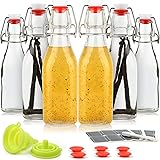
- Bottles: Brown glass bottles are superior for storing finished beer. They protect the beer from harmful light exposure. Light can quickly spoil beer flavor.
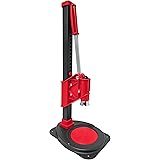
- Bottle Capper: This tool is essential for securely sealing your bottles. Have plenty of caps on hand.
- Thermometer: Temperature control is non-negotiable in brewing. A reliable thermometer ensures accurate readings. A digital thermometer offers precision.
- Siphon: Use a siphon to transfer beer gently. This avoids disturbing the sediment at the bottom. It helps keep your beer clear.
- Sanitizer: This is arguably the most important “tool.” Sanitation prevents contamination. Always sanitize everything that touches your beer.
4. The Step-by-Step Brewing Process
Now, let’s walk through the actual brewing stages. Each step is critical for crafting an exceptional Pilsner at home. The video provides a great overview. We will expand on these key phases. Precision and patience are your best allies.
4.1. Mashing: Extracting the Sugars
Mashing is the first vital step in the brewing process. It involves activating enzymes within the malt. These enzymes convert starches into fermentable sugars. Imagine making a porridge for your yeast. This process is sensitive to temperature.
- Heat Your Water: Aim for approximately 150 to 155 degrees Fahrenheit. This temperature range is perfect for enzyme activity. Precise temperature control here affects your beer’s fermentability and body.
- Add the Malt: Slowly introduce your crushed Pilsner malt. Stir continuously to prevent clumping. This mixture of water and grain is known as the mash.
- Maintain Temperature: Hold the mash at a consistent temperature for about 60 minutes. This allows sufficient time for complete starch conversion.
4.2. Lauterization: Separating the Wort
After mashing, the next step is to separate the sugary liquid. This liquid is called wort. It needs to be separated from the spent grains. This process, known as lauterization, clarifies the wort.
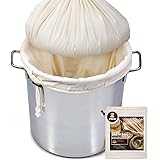
- Transfer to Lauter Tun (or Strainer): If available, transfer your mash to a lauter tun. Alternatively, use a large strainer lined with cheesecloth.
- Recirculate the Wort: Gently pour the first runnings of wort back over the grain bed. This action helps filter the wort through the grain. It removes residual grain particles and clarifies the liquid.
- Rinse the Grain (Sparge): Rinse the grain bed with hot water. This step extracts any remaining fermentable sugars. This maximizes your efficiency and yield.
4.3. Boil and Hop Additions: Bitterness and Aroma
Boiling the wort serves multiple crucial purposes. It sterilizes the wort, extracts hop bitterness, and concentrates sugars. This stage is where your Saaz hops impart their magic.
- Bring to a Boil: Heat the wort until it reaches a vigorous, rolling boil. Maintain this boil consistently.
- Add Hops Strategically: Saaz hops are added at different times during the boil. Early additions, usually at the start, contribute to bitterness. Later additions, closer to the end, enhance aroma and flavor. Imagine painting with scent.
- Chill the Wort Rapidly: After boiling, cool the wort quickly. Target a temperature suitable for yeast pitching. An immersion chiller or an ice bath works well. Rapid chilling minimizes off-flavors and prevents contamination.
4.4. Fermentation: Where Alcohol is Born
Fermentation is the exciting phase where yeast converts sugars into alcohol. This is the “magic happens” moment for your Pilsner. Proper temperature control is especially vital for lager yeast.
- Pitch the Yeast: Once the wort has cooled to the target temperature, add your lager yeast. Ensure the yeast is healthy and viable.
- Ferment at Cool Temperatures: Lager yeast performs best between 45 and 55 degrees Fahrenheit. A dedicated fermentation chamber or a cool basement is ideal. This cooler fermentation is key for a clean, crisp finish.
- Monitor Fermentation: Observe your airlock; bubbling activity indicates fermentation. This process typically takes one to two weeks. Fermentation is complete when the airlock activity ceases.
4.5. Bottling and Conditioning: The Final Touches
Your beer is almost ready for enjoyment. The final steps are bottling and conditioning. This process allows the beer to naturally carbonate and fully develop its flavors. Patience is truly a virtue here.
- Bottle the Beer: Carefully transfer your fermented beer to sanitized bottles. Leave about an inch of headspace in each bottle. This space is needed for carbonation.
- Add Priming Sugar: A small amount of priming sugar is added to each bottle. This provides a food source for residual yeast. It creates carbon dioxide for natural carbonation.
- Store and Condition: Store the bottled beer at room temperature. Allow two to three weeks for conditioning. This period permits proper carbonation and flavor maturation. Imagine your beer slowly transforming into its best self.
Congratulations on brewing your own delicious Czech Pilsner! Each batch is a step on your brewing journey. Keep experimenting, keep learning, and most importantly, keep brewing. The pride of serving your very own, authentic Pilsner is unmatched. Cheers to your brewing success!
Decoding Pilsner Perfection: Your Brewing Questions Answered
What is a Czech Pilsner?
A Czech Pilsner is a classic, refreshing beer known for its crisp, clean taste, subtle malt sweetness, and gentle hop bitterness. It originated in the Czech Republic and is known for its brilliant clarity and dry finish.
What are the most important ingredients for brewing an authentic Pilsner?
The essential ingredients are Pilsner malt for the beer’s body, Saaz hops for aroma and bitterness, good quality filtered water, and lager yeast for its characteristic crispness.
What basic equipment do I need to start brewing beer at home?
You will need a large pot for boiling, a fermentation vessel with an airlock, bottles and a capper, a thermometer, a siphon, and plenty of sanitizer to keep everything clean.
Why is temperature important when brewing a Pilsner?
Temperature control is crucial throughout the brewing process, from mashing to fermentation, because it affects enzyme activity, yeast performance, and helps create the clean, crisp flavor a Pilsner is known for.