The morning ritual often sets the tone for the entire day, and for many, that ritual includes a cherished cup of coffee. The allure of a professionally crafted cold brew from a local café is undeniable, yet the cumulative cost can quietly chip away at a household budget, especially when saving for significant life events, such as a new addition to the family. It is with this common dilemma in mind that the appeal of homemade alternatives becomes strikingly clear. Below, a delightful video demonstrates a straightforward path to achieving artisanal quality cold brew and a delectable cinnamon creamer right in your own kitchen, providing both satisfaction and substantial savings.
Imagine waking up, knowing that your perfect coffee experience is not only awaiting but was also prepared without the premium price tag. The process, while requiring a measure of patience, is surprisingly simple and yields a deeply rewarding result. This guide delves deeper into the nuances of crafting your own cold brew and creamer, expanding upon the practical steps shown in the video, ensuring that a truly magnificent coffee experience is readily accessible, allowing those precious savings to be redirected towards more momentous occasions.
Mastering the Art of Homemade Cold Brew
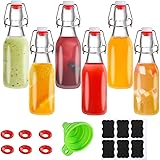
The foundation of an exceptional cold brew lies in a judicious selection of ingredients and a meticulous brewing process. As demonstrated, a quality dark roast coffee is typically recommended for this method, providing the robust base flavors that are beautifully extracted over time. Approximately two ounces of this chosen coffee is usually combined with ten ounces of filtered water, establishing a concentrate ratio that promises intensity and versatility. The emphasis on filtered water is not to be underestimated; impurities in tap water can subtly alter the flavor profile, diminishing the purity of the final product.
Regarding the coffee itself, the grind size plays a pivotal role in the extraction process; a coarse grind is generally preferred, akin to sea salt or breadcrumbs, to prevent over-extraction and bitterness. When the coffee grounds are steeped in cold water over an extended period, the water slowly draws out the desirable compounds, including the rich flavors and caffeine, while leaving behind many of the bitter acids that are commonly found in hot brews. This extended steeping, often around 18 hours, is what imparts cold brew with its signature smooth, low-acid character, making it a gentler option for many palates and stomachs alike.
Optimizing Cold Brew Extraction and Filtration
Once the coffee and water have been combined in a suitable vessel, an occasional gentle shake or stir can assist in ensuring that all the coffee grounds are thoroughly saturated, promoting an even extraction of flavor. This deliberate immersion process is significantly slower than traditional hot brewing methods, functioning more like a slow, patient conversation between water and coffee particles. The 18-hour steeping period, as suggested, is often considered optimal for achieving a balanced and flavorful concentrate, though some experimentation with steeping times might be desired based on personal preference for strength.
Following the extensive steeping period, the concentrate is ready for filtration, a critical step that separates the liquid from the spent coffee grounds. The use of a cheesecloth, as mentioned in the video, provides an initial, effective barrier for larger particles, laying the groundwork for a cleaner final product. Subsequently, allowing the filtered liquid to pass through a standard coffee filter ensures that even the finest sediment is removed. This two-stage filtration might indeed take some time, resembling water seeping slowly through a dense forest floor, but the clarity and purity it imparts to the cold brew concentrate are well worth the wait, elevating the overall drinking experience.
Crafting Your Own Cinnamon Creamer
Beyond the cold brew itself, the addition of a homemade creamer elevates the entire experience, transforming a simple coffee into a luxurious indulgence. The video highlights a fantastic recipe for cinnamon creamer, beginning with the toasting of a cinnamon stick. This preparatory step is not merely an aesthetic choice; rather, it is employed to coax out the inherent aromatic oils within the cinnamon, intensifying its fragrant and warm notes. The process can be likened to waking up dormant flavors, ensuring that the creamer is infused with a vibrant and complex spice profile.
To produce approximately 8 ounces of this delightful creamer, the toasted cinnamon stick is typically infused into the creamer base, which is then allowed to meld its flavors in the refrigerator for around two hours. Should a larger quantity be desired for more frequent enjoyment or for sharing, doubling the recipe proportions is a straightforward adjustment. The resulting creamer, with its rich yet delicate character, perfectly complements the bold intensity of the cold brew, providing a subtle sweetness and a comforting warmth that balances the coffee’s intrinsic bitterness, creating a harmonious blend that pleases the senses.
Dilution and Customization: Personalizing Your Brew
The beauty of cold brew concentrate lies in its inherent versatility, allowing for a personalized dilution ratio to suit individual taste preferences. What is produced after steeping and filtration is not a ready-to-drink coffee but a potent elixir that requires tempering. Typically, the concentrate is diluted with water, milk, or a combination of both, in varying proportions. For instance, a 1:1 ratio of concentrate to water or milk is a common starting point, but this can be adjusted upwards for a stronger brew or downwards for a lighter, more refreshing drink.
When the cold brew concentrate is ready, it can be generously poured over ice, providing an immediate chill and further dilution. A thoughtful addition of the homemade cinnamon creamer, as suggested in the video, transforms the simple diluted cold brew into a gourmet beverage. This blend is often described as exceptionally rich, yet possessing a delicate balance, where the robust coffee notes are gracefully complemented by the nuanced spice of the cinnamon. The creative freedom offered by this DIY approach means that each cup can be meticulously tailored, ensuring a consistently satisfying and unique coffee experience.
The Economic Perks of DIY Cold Brew and Creamer
The financial advantages of making cold brew and creamer at home are substantial, particularly when considering the recurring expenses of daily café visits. While a single artisanal cold brew can cost upwards of $4-6, the cost of making an equivalent amount at home is dramatically lower, often less than $1 per serving. Over the course of a month or a year, these savings accumulate into a significant sum, freeing up funds that can be allocated to other important household needs or long-term financial goals, such as saving for a child’s education or a family vacation.
Furthermore, the ability to control the quality of ingredients, from the type of coffee bean to the purity of the water and the absence of artificial additives in the creamer, adds an invaluable dimension to the homemade experience. This empowerment in ingredient selection ensures that what is consumed is not only cost-effective but also precisely tailored to dietary preferences and health consciousness. Thus, the act of preparing cold brew and cinnamon creamer at home is not merely about crafting a delicious beverage; it is also a savvy financial decision, offering an intelligent and flavorful way to enjoy premium coffee without breaking the bank, leaving more resources available for future endeavors and life’s treasured milestones.
Pouring Over Your Cold Brew & New Kid Savings Questions
What is cold brew coffee?
Cold brew coffee is made by steeping coffee grounds in cold water for an extended period, which creates a smooth, low-acid concentrate.
Why should I make cold brew coffee at home?
Making cold brew at home can save you a lot of money compared to buying it from a cafe, and it also allows you to control the ingredients and flavor.
What kind of coffee should I use for homemade cold brew?
It’s best to use a quality dark roast coffee with a coarse grind, similar to sea salt, to ensure proper flavor extraction and avoid bitterness.
Do I drink cold brew concentrate as is, or do I need to prepare it further?
Cold brew concentrate is very strong and needs to be diluted with water, milk, or both before drinking, often starting with a 1:1 ratio to your taste.