The intricate world of homebrewing presents a fascinating blend of science and artistry, where aspiring brewers endeavor to craft liquid masterpieces. As observed in the accompanying video, the Albino Rhino Beer Review team recently delved into a homebrewed German Altbier, affectionately dubbed “Brother Brau,” produced by Devin. This exploration highlights common challenges and triumphs encountered when attempting to recreate classic beer styles within the home environment, offering valuable insights for both novice and experienced brewers alike.
Altbier, a traditional German ale, originates from Düsseldorf and the Lower Rhine region. The name “Altbier” translates literally to “old beer,” which refers to its historical method of being top-fermented at warmer temperatures—a practice common before the widespread adoption of bottom-fermenting lagers. This style, known for its distinctive balance of malt richness and hop bitterness, typically presents with a copper to dark brown hue, a clean fermentation profile, and a crisp, dry finish. Understanding these foundational characteristics is crucial when evaluating any Altbier, whether it originates from a commercial brewery or a passionate homebrewer’s fermenter.
Understanding German Altbier: A Style Overview
The German Altbier is a robust, well-attenuated, and clean-tasting ale, often mistaken for a lager due to its conditioning process. While it is fermented with ale yeast at moderate temperatures, traditional Altbiers undergo a period of cold conditioning, known as lagering, to achieve their characteristic smoothness and clarity. Several regional variations exist, including the most famous Düsseldorf Altbier and the slightly broader North German Altbier, each possessing subtle differences in malt character and hop presence.
A classic Düsseldorf Altbier is typically admired for its pronounced bitterness, derived from noble German hops, which perfectly counterpoints a solid, complex malt backbone. Caramel notes are often present but should not dominate, merely providing a layer of depth. In contrast, a North German Altbier might exhibit a slightly softer bitterness and a more pronounced malt sweetness, though still maintaining the style’s inherent drinkability. The video also mentions a “California Common,” which, while similar in color and general approach (fermented with ale yeast at cooler-than-normal ale temperatures), is distinctively American in its hop profile and overall character, emphasizing a different aromatic contribution from hops like Northern Brewer.
The expected visual appearance of an Altbier is typically clear and brilliant, displaying a rich copper to deep amber color. Aromatically, a clean, malty scent with possible hints of noble hops is anticipated. Esters, which are fruity notes produced by yeast, are generally kept to a minimum in this style to ensure a clean, crisp profile. When tasted, a true Altbier offers an initial malty sweetness that transitions into a firm, balanced bitterness, concluding with a dry and refreshing finish. Any deviation from these benchmarks often indicates an issue in the brewing process or a departure from style guidelines.
Tasting Notes for Devin’s Homebrewed Altbier
Upon initial assessment, Devin’s Brother Brau German Altbier visually appears congruent with the style, showcasing a appealing copper color. The aromatic profile was identified as “very malty,” which is a positive attribute for an Altbier. However, the subsequent tasting revealed several nuances that set it apart from the classic style guidelines.
The review team noted a prominent presence of “fruit esters,” which, while not inherently negative in all beer styles, are typically subdued in traditional Altbiers. These fruity notes can often manifest as apple, pear, or even tropical fruit flavors, depending on the specific yeast strain and fermentation conditions. Their prominence in Brother Brau suggested a potential divergence from the desired clean Altbier profile. Furthermore, “weird alcoholic twinges” were detected, indicating either a higher alcohol content than anticipated for the style or the presence of fusel alcohols, which are heavier alcohols that can impart harsh, solvent-like, or warming sensations. Such off-notes often arise from fermentation at excessively high temperatures or insufficient yeast health.
Perhaps the most distinctive characteristic noted was a “weird coating” of the mouth, likened to wax. This unusual mouthfeel could be attributed to several factors, including the presence of unfermentable sugars, specific yeast byproducts, or even inconsistencies in water chemistry. While some beers aim for a full, coating mouthfeel, it is generally not a defining characteristic of a crisp Altbier. Despite these deviations from style, it was acknowledged that the beer, on its own merits, was considered drinkable and preferable to several mainstream macro-brewed lagers, such as Zelta, Flor F, and Molson Canadian, receiving a respectable score of 5 or 6 out of 10.
Challenges in Homebrewing Altbier and Other Styles
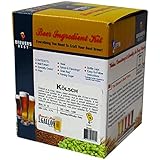
The discussion in the video gravitated towards the potential impact of the “Brewer’s Gold Altbier kit” on the final product. It was hypothesized that the kit itself might have been the source of the stylistic discrepancies, rather than Devin’s brewing technique. This observation highlights a critical consideration for homebrewers: the quality and characteristics of ingredients, especially when using pre-packaged kits.
Brewing kits offer a convenient entry point into homebrewing, providing pre-portioned ingredients and simplified instructions. However, the quality of these kits can vary significantly, affecting the final beer’s flavor and style adherence. A suboptimal kit might contain aged ingredients, an inappropriate yeast strain for the intended style, or an unbalanced malt and hop profile. Consequently, even with meticulous brewing practices, the end result might not align with expectations.
Another crucial factor raised was the possibility of infection by “wild yeast.” Wild yeast, or other undesirable microorganisms, can introduce a range of off-flavors, including excessive fruitiness, sourness, or astringency. These infections typically occur due to inadequate sanitation practices during any stage of the brewing process, from cleaning equipment to transferring wort or beer. The “astringent” quality noted in Brother Brau, along with the elevated fruit esters, could indeed point towards such an occurrence, where an unintended yeast strain contributed unwanted characteristics.
Homebrewers are often likened to alchemists, constantly striving for perfection with each batch. Mastering a specific style like Altbier requires a deep understanding of its components and a disciplined approach to brewing variables. For instance, controlling fermentation temperature precisely is paramount for Altbiers; even slight deviations can lead to an overproduction of esters or fusel alcohols. Moreover, attention to water chemistry, grain selection, and hop additions plays a critical role in achieving the desired balance and mouthfeel. Devin’s attempt, while perhaps not perfectly aligned with style, represents the continuous learning journey inherent in homebrewing, where each batch provides valuable lessons for future endeavors.
Albino Rhino’s Altbier Answers
What is German Altbier?
German Altbier is a traditional ale that comes from Düsseldorf and the Lower Rhine region in Germany. It’s known for balancing malt richness with hop bitterness, often having a copper to dark brown color and a crisp, dry finish.
What does the name “Altbier” mean?
The name “Altbier” literally translates to “old beer.” This refers to its traditional brewing method of top-fermentation at warmer temperatures, which was common before lagers became widespread.
What makes Altbier unique for an ale?
Although Altbier is fermented with ale yeast, it undergoes a period of cold conditioning, or lagering, similar to a lager. This process gives it characteristic smoothness and clarity.
What are common challenges when homebrewing Altbier?
Common challenges include the quality of brewing kits, potential infection from wild yeast due to inadequate sanitation, and precisely controlling fermentation temperatures to avoid off-flavors.