Crafting your own beverages at home offers a rewarding experience, particularly when delving into the vibrant world of fermented drinks. As demonstrated in the accompanying video, the process of brewing homemade ginger beer using a naturally active ginger bug is both accessible and immensely satisfying. This traditional method leverages the power of wild yeasts and beneficial bacteria, creating a sparkling, probiotic-rich drink that far surpasses most store-bought alternatives in both flavor and health benefits.
The journey begins not with a complex array of equipment, but with a simple, living starter: the ginger bug. This natural culture functions much like a sourdough starter for bread, serving as the essential inoculum that kickstarts fermentation. Understanding its role and maintaining its vitality proves fundamental to achieving a perfectly effervescent and flavorful batch of ginger beer.
Understanding Your Ginger Bug Starter for Superior Ginger Beer
A ginger bug is essentially a symbiotic culture of bacteria and yeast (SCOBY) cultivated from fresh ginger, sugar, and water. This dynamic microbial community is responsible for consuming sugars and producing carbon dioxide, which gives ginger beer its characteristic fizz. A robust ginger bug will exhibit noticeable bubbles and a slight cloudiness, indicating its readiness to initiate the fermentation process.
To ensure optimal fermentation for your homemade ginger beer, verify the activity of your ginger bug before incorporating it into the main brew. A healthy, active bug produces a gentle fizz when stirred and possesses a slightly tangy, yeasty aroma. Using a vigorous starter significantly enhances the likelihood of a successful and timely fermentation, yielding a crisp and flavorful ginger beer.
Crafting the Perfect Ginger Beer Base: A Step-by-Step Approach
Creating the foundational ginger syrup is a crucial step that directly influences the final taste and potency of your ginger beer. This initial phase involves extracting the robust flavors from fresh ginger and establishing the ideal sugar content for fermentation. The careful balance of these ingredients ensures a harmonious and enjoyable beverage.
The Golden Ratio for Flavor and Fermentation
The video outlines a highly effective and popular ratio for brewing ginger beer: 100 grams of fresh ginger and 100 grams of sugar per liter of water. This specific proportion is not arbitrary; it strikes an excellent balance between potent ginger flavor and sufficient fermentable sugars. Employing this ratio consistently helps in achieving predictable results, batch after batch.
This formulation ensures that the finished ginger beer possesses a pronounced ginger kick without being overwhelmingly spicy or excessively sweet. Adjustments can certainly be made based on personal preference, but this ratio provides an excellent starting point for beginners. It forms the backbone of a truly delicious homemade ginger beer.
Preparing Your Ginger for Maximum Extraction
For the most vibrant flavor in your ginger beer, always opt for fresh, firm ginger root. While the video suggests blending, grating or finely mincing the ginger provides a larger surface area, which is vital for efficient flavor extraction. Peeling the ginger beforehand is optional; many enthusiasts leave the skin on, especially if the ginger is organic, to capitalize on wild yeasts residing on the surface.
The blending process, as demonstrated, significantly aids in breaking down the ginger fibers, releasing its pungent oils and aromatic compounds into the water. This method ensures that the ginger’s essence is fully integrated into your ginger beer base. Consequently, the resulting liquid will be rich with the authentic, spicy taste of ginger.
The Sweetener Choice: Beyond Basic Sugar
While standard granulated sugar, often referred to as sucrose, works perfectly for brewing ginger beer, experimenting with other sweeteners can introduce intriguing flavor nuances. Brown sugar, for instance, imparts subtle caramel notes and a deeper complexity to the final product. Similarly, a small amount of molasses can add an earthy richness, complementing the ginger beautifully.
It is important to remember that different sugars ferment at varying rates and can influence the final sweetness level. The yeast in your ginger bug will consume most of the sugar, converting it into alcohol and carbon dioxide. However, any unfermented sugars will contribute to the residual sweetness of your finished ginger beer.
Infusion and Simmering for Depth of Flavor
Bringing the ginger-infused water and sugar mixture to a boil serves multiple critical purposes for brewing ginger beer. Primarily, heating ensures that the sugar completely dissolves, creating a homogenous syrup. Furthermore, this process helps to extract the maximum amount of flavor from the ginger and any added spices, creating a rich and concentrated base.
The recommended simmering time of 10 to 15 minutes allows these flavors to meld and deepen, creating a more robust foundation for your ginger beer. Subsequently, removing the mixture from the heat and allowing it to cool with a lid on helps to prevent the escape of volatile aromatic compounds. This method retains the full spectrum of the ginger’s essence within the syrup.
A World of Spice and Flavor: Customizing Your Brew
The beauty of homemade ginger beer lies in the freedom to customize its flavor profile. The video intelligently suggests adding complementary spices such as cinnamon, cayenne, clove, and star anise during the simmering phase. These additions infuse the base with warmth and complexity, elevating the traditional ginger flavor.
Expanding on these suggestions, consider incorporating other aromatic elements like fresh citrus zest (lemon or lime), a dash of vanilla extract, or even a few peppercorns for an extra layer of spice. Experimentation with these ingredients allows you to tailor your ginger beer precisely to your palate, creating a truly unique and personalized beverage.
Cooling, Straining, and Awakening the Fermentation
Once your ginger beer base has simmered to perfection, the next steps are equally important for a successful fermentation. Proper cooling and straining prepare the liquid for the delicate microbial ecosystem of your ginger bug. This phase transitions the sterilized syrup into a vibrant, living brew.
Cooling to Preserve Microbial Integrity
Allowing the ginger beer base to cool completely to room temperature is a non-negotiable step. Introducing your ginger bug to a hot liquid would kill the beneficial yeasts and bacteria crucial for fermentation. Consequently, this would prevent any carbonation or probiotic development, rendering your efforts futile.
Patience during this cooling period is paramount, as rushing the process can compromise the entire batch. Once the liquid reaches approximately 20-25°C (68-77°F), it is safe to proceed. This ensures the ginger bug’s microbes can thrive and begin their work effectively in transforming the sugars into a delightful ginger beer.
Straining for a Clearer Brew
Straining the cooled liquid effectively removes all the ginger pulp and any added spices, resulting in a clearer and more refined ginger beer. Utilizing a fine-mesh sieve or cheesecloth for this purpose ensures that no particulate matter remains, which could potentially interfere with bottling or create an unpleasant texture in the final drink.
A thorough straining process contributes significantly to the aesthetic appeal and smooth drinking experience of your homemade ginger beer. It removes solids that could otherwise continue to ferment in the bottle, potentially leading to excessive carbonation or sediment. Therefore, this step is essential for producing a polished and enjoyable beverage.
Awakening the Fermentation with Your Ginger Bug
With the base prepared and cooled, the moment arrives to introduce your active ginger bug liquid. The video correctly advises that the amount added can vary depending on the bug’s activity level. A general guideline often involves adding about 1/4 to 1/2 cup of active ginger bug liquid per liter of ginger beer base.
This addition initiates the primary fermentation, where the wild yeasts and bacteria begin to consume the sugars. They consequently produce alcohol and carbon dioxide, laying the groundwork for the effervescence of your ginger beer. Therefore, a generous and active ginger bug inoculation offers the best chance for a successful and vigorous fermentation.
Bottling and Secondary Fermentation for Optimal Carbonation
The transition from primary fermentation to bottling marks a critical phase in the creation of fizzy ginger beer. This is where the magic of carbonation truly happens, but it also demands careful attention to safety and proper technique. Understanding the science behind this stage ensures a perfectly bubbly, rather than dangerously over-pressurized, beverage.
Choosing Pressure-Safe Bottles for Your Ginger Beer
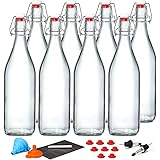
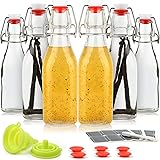
The narrator wisely emphasizes the use of pressure-safe bottles, and this advice cannot be overstated when brewing ginger beer. During secondary fermentation, significant pressure builds up inside the sealed containers as yeast continues to produce carbon dioxide. Standard glass bottles, such as those used for non-carbonated drinks, are not designed to withstand this internal pressure and can explode, posing a serious safety risk.
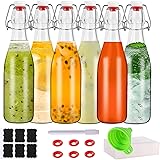
Opt for robust swing-top bottles (Grolsch-style bottles) made from thick glass, or repurpose plastic soda bottles. Plastic bottles offer an additional safety measure as they bulge visibly under pressure, providing a clear indication of high carbonation levels. Always inspect bottles for cracks or weaknesses before use to ensure the integrity of your homemade ginger beer.
The Science of Secondary Fermentation and Carbonation
After bottling, the ginger beer undergoes secondary fermentation. In this sealed environment, the residual yeast consumes the remaining fermentable sugars, producing more carbon dioxide gas. Since the gas cannot escape, it dissolves into the liquid, creating the desired effervescence. This process is what transforms still ginger beer into a sparkling delight.
The amount of carbonation achieved depends directly on the sugar content in the bottled liquid and the duration of this secondary fermentation. Consequently, carefully managing these factors is essential for achieving optimal fizziness without over-carbonation. Proper control leads to a perfectly bubbly ginger beer.
Optimal Fermentation Conditions and Monitoring
The video suggests allowing bottles to sit at room temperature for approximately a week, which is a common and effective guideline for achieving good carbonation in ginger beer. Ideal room temperatures, typically between 20-24°C (68-75°F), foster healthy yeast activity without accelerating fermentation too rapidly. Factors such as ambient temperature, the amount of residual sugar, and the vigor of your ginger bug will all influence the exact time required.
For safety and optimal results, regularly monitor your bottles during this period. For plastic bottles, gently squeeze them daily; when they become firm to the touch, they are likely sufficiently carbonated. For glass bottles, some brewers carefully “burp” them by briefly opening and re-sealing to release excess pressure, though this risks losing some carbonation and should be done with extreme caution.
Chill for Stability and Safety Before Enjoying Your Ginger Beer
Moving your carbonated ginger beer to the refrigerator immediately halts the fermentation process by significantly slowing yeast activity. This step is crucial for two main reasons: it stabilizes the carbonation level, preventing further pressure buildup, and it dramatically reduces the risk of foaming over or “gushing” when opened. Cold temperatures cause carbon dioxide to remain dissolved in the liquid more effectively, preventing it from rapidly escaping upon opening.
Always ensure your bottles are thoroughly chilled for at least 24-48 hours before attempting to open them. A cold bottle of ginger beer will exhibit a much more controlled and enjoyable fizz. Therefore, exercising patience at this stage ensures a pleasant and safe experience when you finally crack open your homemade, naturally probiotic ginger beer.
Fizzing with Questions? Your Ginger Beer & Ginger Bug Q&A
What is a ‘ginger bug’ in ginger beer brewing?
A ginger bug is a living starter culture made from ginger, sugar, and water, containing yeasts and bacteria. It’s essential for fermenting your homemade ginger beer and creating its fizz.
How can I tell if my ginger bug is active and ready to use?
An active ginger bug will show noticeable bubbles and a slight cloudiness. It will also have a gentle fizz when stirred and a slightly tangy, yeasty smell.
Why must the ginger beer base be cooled before adding the ginger bug?
Cooling the base to room temperature is crucial because hot liquid would kill the beneficial yeasts and bacteria in your ginger bug, preventing fermentation and carbonation.
What types of bottles are safe to use for bottling homemade ginger beer?
You must use pressure-safe bottles, such as thick glass swing-top bottles or sturdy plastic soda bottles. These are designed to withstand the pressure that builds up during carbonation.