Are you considering an upgrade to your homebrewing setup, or perhaps looking to dive into the world of electric brewing with a state-of-the-art system? The choice among available electric BIAB systems can often seem overwhelming, with numerous brands and features to evaluate. In the accompanying video, Kyle from Clawhammer Supply provides an excellent overview and price comparison of some of the most popular modular Brew In A Bag (BIAB) systems currently on the market. This article aims to complement that valuable visual guide by delving deeper into the nuances of these systems, offering additional context, and helping you make an informed decision for your brewing journey.
Understanding Electric BIAB Brewing: A Modern Approach to Homebrew Systems
The term “BIAB” has become a cornerstone in contemporary homebrewing. Historically, brewing involved multiple kettles, extensive equipment, and often a significant amount of space. However, the Brew In A Bag method, or more accurately for these advanced setups, “Brew In A Basket,” simplifies the process dramatically. In essence, an entire batch of beer is able to be brewed within a single kettle, streamlining the operation from mash to boil.
Many homebrewers are drawn to these single-kettle electric BIAB systems for a variety of compelling reasons. They are generally more compact, making them suitable for brewers with limited space, such as those brewing indoors. Furthermore, the ease of use and subsequent cleaning processes are often highlighted as significant advantages. Despite their streamlined design and often more accessible price point compared to traditional multi-vessel setups, the quality of the beer produced on these systems is considered to be just as exceptional, allowing for precise control over the brewing process.
The Power of Modularity in Modern Homebrew Systems
When selecting an electric BIAB system, a crucial distinction to be aware of is whether the system is “modular” or “all-in-one” with integrated, non-swappable components. As discussed in the video, a modular system offers considerable flexibility and longevity, which is a major benefit for dedicated brewers. Imagine if, after several years of brewing, a key component such as the pump or heating element were to fail. With a modular system, only the faulty part would need to be replaced, allowing you to continue brewing with minimal disruption and cost.
Conversely, non-modular systems, while often presenting an attractive initial price, can lead to more significant expenses should a component break, as the entire unit might need replacing or complex repairs would be required. Moreover, modularity supports future upgrades. For example, a brewer might start with a 10-gallon kettle but later decide to increase batch size to 20 gallons. A modular design allows for the kettle to be swapped out without necessitating the replacement of the controller, pump, or other essential parts. This adaptability ensures that your investment in your homebrew system continues to serve your evolving brewing ambitions.
Key Components of Electric BIAB Systems
A typical electric BIAB system, as showcased by the Clawhammer Supply system in the video, is comprised of several integrated components working in harmony. Each part plays a vital role in ensuring a smooth and successful brew day.
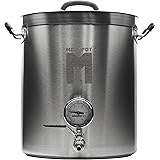
- **The Kettle:** This is the primary vessel where mashing and boiling take place. Its size, often 10-gallon or 20-gallon, determines the batch size.
- **Grain Basket:** Made of stainless steel, this basket holds the malted grains during the mash. It is lifted out after mashing to separate the wort from the spent grains.
- **Heating Element:** Powered by electricity, this component heats the water for mashing and brings the wort to a boil. Its wattage is crucial for heating speed and boil vigor.
- **Temperature Controller:** This sophisticated unit allows for precise temperature regulation throughout the mash. It monitors the liquid’s temperature and adjusts the heating element to maintain it, eliminating the need for constant manual adjustments. This consistency is paramount for enzymatic activity during mashing, which directly impacts the final beer’s flavor and fermentability.
- **Pump:** Integral for recirculating wort during the mash, clarifying the liquid, and transferring wort through a chiller. It ensures even heat distribution and can improve mash efficiency.
- **Wort Chiller:** After the boil, the hot wort must be rapidly cooled to fermentation temperature. Plate chillers, like those mentioned in the video (20-plate or 40-plate), are highly efficient, passing hot wort and cold water through alternating plates to quickly reduce temperature.
- **Hoses:** These facilitate the circulation of liquid throughout the system, connecting the pump, kettle, and chiller.
- **Hop Silo (optional but common):** A separate container for holding hops during the boil, designed to keep hop matter contained and prevent it from clogging pumps or chillers.
Comparing 10-Gallon, 120-Volt Electric BIAB Systems
For many homebrewers, a 10-gallon, 120-volt system provides an ideal starting point. These systems are designed to plug directly into a standard wall outlet, making them convenient for most homes. Typically, a 10-gallon kettle system is capable of producing enough beer to fill a 5-gallon keg, which is a very popular size for homebrewers. A detailed comparison of the modular systems reviewed in the video is presented below, focusing on their features and pricing.
Clawhammer Supply 10-Gallon, 120-Volt System
The Clawhammer Supply system, known for its robust design, is often considered a strong contender in the market. It is configured with a single kettle, a grain basket, a hop silo, a pump, and a 20-plate chiller. A comprehensive controller allows for precise temperature adjustments, crucial for consistent mashing and boiling. All necessary components, apart from fermentation vessels and a siphon, are included, making it a nearly ready-to-brew package. The price for this system is typically $999, which includes free shipping.
Brau Supply Unibräu All-In-One Electric Brew System (10-Gallon, 120-Volt)
Brau Supply is recognized as one of the earlier innovators in the single-kettle brewing space. Their Unibräu system, while having a slightly different configuration, includes all the essential components for electric brewing. It features a 10-gallon kettle, a unique grain basket design, a built-in pump, and a plate chiller similar to the Clawhammer system. The 120-volt controller ensures effective heating. This system is generally priced at $1,199, with an additional shipping cost typically ranging from $40 to $50, bringing the total to approximately $1,250.
Blichmann BrewEasy Compact (10-Gallon, 120-Volt)
Blichmann Engineering has been a long-standing and respected name in the homebrewing industry. Their newer BrewEasy Compact system is presented as a competitive option in the modular electric BIAB category. This system is very similar in design to the Clawhammer and Unibräu systems but includes a sight glass, a feature that some brewers prefer for monitoring liquid volume without opening the lid. However, it should be noted that a sight glass can require additional cleaning and maintenance, and its necessity is often debated among brewers, as volume markers inside the kettle often suffice. The Blichmann system also notably includes a 40-plate plate chiller, which is a more powerful chilling component than typically found in 10-gallon systems, though the efficiency gain for smaller batches may be marginal. The price for the Blichmann BrewEasy Compact, including a pump and chiller, is $1,582 with free shipping.
Spike Solo (10-Gallon, 120-Volt)
The Spike Solo system is noted for its aesthetic and functional similarities to the Clawhammer system, particularly in its layout. A distinguishing feature of the Spike Solo is the inclusion of an extra port on the side of the kettle. This is generally intended for whirlpooling, where wort is circulated to collect trub and hop debris in the center of the kettle. While the concept of whirlpooling is often sought after, its effectiveness in smaller, single-kettle systems with internal elements can be limited due to turbulence. Many experienced brewers find that sufficient whirlpooling can be achieved without a dedicated side port. The Spike Solo 10-gallon, 120-volt system is available for $2,125, including free shipping, positioning it as the most premium option in this category.
Powering Up: 240-Volt Electric BIAB Systems
For homebrewers prioritizing speed and efficiency, or those looking to brew larger batches, 240-volt electric BIAB systems are often considered. While the quality of the finished beer is generally comparable to that produced on 120-volt systems, the significant increase in power—a 5500-watt element can be nearly three times as powerful as a 120-volt element—translates directly into faster heating times for mash and boil. This can considerably shorten the overall brew day, a valuable benefit for those with busy schedules. Like their 120-volt counterparts, these systems are modular, allowing for upgrades and replacements of individual components.
Clawhammer Supply 10-Gallon, 240-Volt System
The 240-volt version of the Clawhammer Supply system maintains the same high-quality construction and modular design as its 120-volt sibling. The primary difference lies in the controller and the more powerful element, enabling quicker heating and a more vigorous boil. This system typically includes an extra hop silo, acknowledging that larger batches often require a greater quantity of hops. The 10-gallon, 240-volt Clawhammer Supply system is priced at $1,869 with free shipping.
Brau Supply Unibräu All-In-One Electric Brew System (20-Gallon, 240-Volt)
Brau Supply also offers a larger, 20-gallon version of their Unibräu system, designed for 240-volt operation. This system allows brewers to produce double the volume per batch. While it shares many design similarities with its 10-gallon counterpart, it is configured for the increased demands of larger-scale brewing. The video notes a pre-order price of $1,799, with an automatic $150 discount applied. To allow for a fairer comparison against other systems not offering pre-order discounts, the effective full price can be considered as $1,949. However, for comparison purposes, the recap price was noted at $1,848.
Blichmann BrewEasy Classic (20-Gallon, 240-Volt)
Although Blichmann does not currently offer a “Compact” 20-gallon BIAB system, their BrewEasy Classic provides a comparable 20-gallon, 240-volt solution. This system is described as a two-kettle setup, though the kettles are integrated or attached, allowing for brewing 10 gallons of finished beer. Given Blichmann’s reputation for quality, this system is a robust option for those looking for a larger volume and higher power. It is priced at $2,512, which typically includes free shipping.
Spike Solo (20-Gallon, 240-Volt)
For brewers seeking a high-capacity electric BIAB system, the Spike Solo 20-gallon, 240-volt system stands as a premium option. Similar to its 10-gallon counterpart, it likely includes the additional side port for whirlpooling, a feature valued by some. This system is often chosen by those who prioritize a sleek design and robust construction. The Spike Solo 20-gallon, 240-volt system is available for $2,325 with free shipping.
Beyond the Numbers: Features and Considerations for Electric Homebrew Systems
While price and voltage are significant factors, several other features and design choices can impact your brewing experience with electric BIAB systems. It is often believed that attention to these details can distinguish a good system from a great one for individual needs.
Chiller Performance
The speed at which wort can be cooled after the boil is critical for preventing off-flavors and ensuring proper yeast pitching. Plate chillers, as mentioned, are highly efficient. The Blichmann system, with its 40-plate chiller, suggests superior chilling capacity compared to the Clawhammer’s 20-plate chiller. However, for 10-gallon batches, the difference in chill time might be negligible. Many brewers find that the time spent chilling is often used for sanitizing equipment or other tasks, so extreme chilling speed is not always the highest priority.
The Role of the Sight Glass
The presence of a sight glass, as seen on the Blichmann BrewEasy Compact, allows for a clear visual indication of liquid volume inside the kettle. However, its practical utility is often debated. Imagine if you are constantly opening the lid to stir or add ingredients; checking the internal volume markers would be just as convenient. Sight glasses can also become cloudy over time and require additional cleaning, adding a small layer of maintenance that some brewers prefer to avoid.
Whirlpooling Effectiveness in Single-Kettle Systems
The concept of whirlpooling, often facilitated by a side port on some systems like the Spike Solo, involves creating a vortex in the wort after the boil to consolidate trub and hop material in the center. The aim is to achieve clearer wort transfer. However, in single-kettle electric systems, the presence of internal heating elements and bazooka screens can disrupt the laminar flow needed for an effective whirlpool. This turbulence often prevents the hop debris from truly settling in the center. Many brewers have found that a simple hop filter or cold crashing after fermentation is more effective for clarifying beer than a dedicated whirlpooling port in these smaller electric BIAB setups.
Fermentation Options
Once the wort is chilled, it is transferred to a fermenter. While the electric BIAB systems handle the hot side of brewing, the choice of fermentation vessel is up to the brewer. Simple food-grade buckets are a very economical starting point, but stainless steel fermenters offer durability and easier sanitation. After fermentation, beer can either be bottled, which is often the cheaper initial investment, or kegged. Kegging provides convenience and consistency, particularly for those who frequently share their homebrew or prefer draught beer.What’s On Tap? Your Brewing Equipment Questions Answered
What is an electric BIAB homebrew system?
An electric BIAB (Brew In A Bag, or Brew In A Basket) system allows you to brew an entire batch of beer within a single kettle. These systems are compact, electric, and streamline the brewing process.
What are the main benefits of using an electric BIAB system for homebrewing?
Electric BIAB systems are popular because they are compact, easy to use and clean, and allow for precise temperature control. They are suitable for brewing indoors and produce high-quality beer.
What does it mean if a homebrew system is “modular”?
A modular homebrew system means that its individual components, such as the pump or heating element, can be replaced or upgraded independently. This offers flexibility and can extend the life of your system.
What are some key parts of an electric BIAB system?
Key components typically include a main kettle, a grain basket for the malt, an electric heating element, a temperature controller for precise heat, a pump for circulation, and a wort chiller to cool the beer.
What is the difference between a 120-volt and a 240-volt electric BIAB system?
A 240-volt system uses more power, resulting in significantly faster heating times for mashing and boiling, which can shorten your overall brew day. A 120-volt system is convenient as it plugs into a standard wall outlet and is suitable for many homebrewers.