Have you ever wondered how to master one of brewing’s most challenging yet rewarding styles? As the accompanying video highlights, crafting a perfect Czech Pilsner demands meticulous attention to detail and a genuine understanding of traditional techniques. This distinctive beer, celebrated worldwide for its crisp character and refreshing finish, truly stands as a benchmark for homebrewers aiming for excellence.
The Art and Science of Brewing a Czech Pilsner
Achieving a truly exceptional Czech Pilsner is indeed considered a difficult undertaking for many brewers. However, the inherent simplicity of beer’s fundamental ingredients offers an accessible entry point to this complex style. Aspiring brewers can learn to manipulate these basic components to produce a beer with unparalleled clarity and flavor depth.
The journey involves understanding the subtle interactions between each ingredient and process step. Furthermore, patience plays a crucial role, particularly during the extended conditioning phase that defines this lager. Successfully brewing a Czech Pilsner ultimately hones your brewing skills, providing a profound sense of accomplishment with every pour.
Unpacking the Core Ingredients for Authentic Pilsner Flavor
The Foundation: Water Chemistry’s Critical Role
As the video mentions, water accounts for approximately 90% of your finished beer, making its composition incredibly significant. For a traditional Czech Pilsner, soft water with a low mineral content is highly desirable, echoing the natural profile of Plzeň, its birthplace. Studies indicate that specific ion concentrations, particularly low levels of calcium and magnesium, profoundly influence mash pH and subsequent enzymatic activity.
Achieving a mash pH between 5.2 and 5.4 is crucial for optimal starch conversion and the extraction of desirable malt flavors. Conversely, excessively hard water can lead to astringency and impact the beer’s delicate balance. Understanding and adjusting your water profile can transform an ordinary brew into an authentic Czech Pilsner experience.
Pilsner Malt: The Grain Bill’s Delicate Heart
The light-colored Pilsner malt forms the backbone of this iconic beer, contributing a signature grainy, sweet character. This specific base malt is fundamental for achieving the beer’s pale golden hue and clean taste profile. Traditionally, Czech Pilsners rely on high-quality European Pilsner malt, which imparts a richer, more complex malt sweetness compared to its North American counterparts.
This malt provides the necessary fermentable sugars, while also contributing a subtle bready and honey-like aroma. Precision in mashing these delicate grains is essential to fully extract their potential without introducing unwanted harshness. Brewers often aim for high efficiency with this malt to ensure a robust fermentable base for the lager yeast.
Saaz Hops: Aromatic Elegance and Spicy Notes
Saaz hops are truly indispensable for any authentic Czech Pilsner, imparting their renowned mild, spicy, and floral aroma. These Noble hops are characterized by a relatively low alpha acid content, typically ranging from 3% to 6%, which contributes to a refined bitterness rather than harshness. Their unique essential oil profile delivers a distinct earthy and herbal bouquet that perfectly complements the delicate malt.
Many brewers employ multiple additions of Saaz throughout the boil for both bittering and late-stage aroma contributions. Other Noble hop varieties, such as Hallertau Mittelfruh or Tettnang, can also lend similar delicate characteristics when Saaz is unavailable. However, Saaz remains the gold standard for achieving that unmistakable Czech Pilsner hop signature.
Mastering the Czech Pilsner Brewing Process
Precision Mashing: The 152-Degree Steep
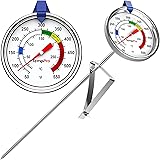
The video mentions steeping (mashing) the grain at 152 degrees Fahrenheit, a critical temperature for enzyme activity. This specific temperature typically favors beta-amylase activity, an enzyme primarily responsible for breaking down starches into highly fermentable sugars. Holding the mash at 152°F (approximately 67°C) for a recommended 60-90 minutes ensures a drier finish and contributes significantly to the beer’s crispness.
While traditional Czech Pilsners often utilize a decoction mash for deeper malt character, a single infusion mash at this precise temperature can still yield excellent results for homebrewers. Monitoring your mash pH and temperature consistently helps maximize efficiency and sugar conversion. This controlled process sets the stage for a remarkably clean and attenuated final product.
The Extended Boil: 90 Minutes for Purity and Balance
A 90-minute boil, as highlighted in the video, serves multiple vital functions in brewing a Czech Pilsner. Firstly, this extended duration ensures the complete isomerization of hop alpha acids, providing a stable and balanced bitterness. Secondly, it is crucial for reducing Dimethyl Sulfide (DMS) precursors, which are common in Pilsner malts and can lead to an undesirable cooked corn off-flavor if not properly volatilized.
Moreover, the longer boil aids in sterilizing the wort and promoting protein coagulation, both of which are essential for achieving that characteristic crystal-clear appearance. Thorough boiling also concentrates the wort slightly and allows for more effective hot break formation. Consequently, this diligent process lays the groundwork for a stable, pure, and visually appealing beer.
Fermentation and Lagering: The Six-Week Transformation
After the boil, the fermented wort embarks on its transformative journey, spending approximately six weeks in conditioning. This extended period, known as lagering, is absolutely non-negotiable for an authentic Czech Pilsner. Fermentation typically occurs at cooler temperatures, generally between 50-55°F (10-13°C), using a specific lager yeast strain like Saccharomyces pastorianus. These lower temperatures encourage a slower fermentation, minimizing the production of harsh fusel alcohols and fruity esters.
Following primary fermentation, the beer is transferred for cold conditioning, often at temperatures near freezing (32-38°F or 0-3°C). This extended cold maturation allows yeast and proteins to slowly flocculate and drop out of suspension, leading to impeccable clarity. Furthermore, lagering provides ample time for the yeast to reabsorb diacetyl, a buttery off-flavor, and for complex flavor compounds to fully mature. This six-week commitment is the secret to both the pristine clarity and the delicious, refined pilsner flavor.
Fermenting Your Czech Pilsner Queries
What is a Czech Pilsner?
A Czech Pilsner is a distinctive beer style celebrated for its crisp character and refreshing finish, often considered a benchmark for brewers aiming for excellence.
What are the core ingredients used to brew a Czech Pilsner?
The foundation of an authentic Czech Pilsner relies on soft water with low mineral content, light-colored Pilsner malt, and traditional Saaz hops.
Why is water quality important for brewing a Czech Pilsner?
Water is crucial because its low mineral content significantly influences mash pH, which is essential for optimal starch conversion and the extraction of desirable malt flavors, preventing astringency.
What are Saaz hops and what do they add to the beer?
Saaz hops are indispensable Noble hops that impart a mild, spicy, and floral aroma, contributing a refined bitterness and a distinct earthy and herbal bouquet to the Pilsner.
What is lagering and why is it important for a Czech Pilsner?
Lagering is an extended cold conditioning period, typically lasting six weeks, that allows yeast and proteins to settle, leading to impeccable clarity and giving complex flavors time to mature.