Ever dreamt of crafting a golden, crisp Bohemian Pilsner right in your own home? The classic Czech Pilsner style is renowned for its clean profile, refreshing taste, and distinctive hop aroma. If you’ve been watching the video above, you’ve already had a fantastic introduction to a tried-and-true Bohemian Pilsner home brew recipe that promises to deliver a genuinely authentic experience.
This all-malt Bohemian Pilsner recipe focuses on essential ingredients and precise fermentation, ensuring you produce a beer that’s light golden in color, beautifully crisp, and refreshingly clean. Let’s dive deeper into what makes this particular recipe stand out and how you can achieve brewing excellence.
The Essence of a Classic Bohemian Pilsner
A true Bohemian Pilsner is more than just a light beer; it’s a testament to brewing tradition. Originating from Plzeň (Pilsen) in the Czech Republic, this style is characterized by its brilliant clarity, vibrant golden hue, and a unique balance of clean malt sweetness with a pronounced, yet refined, noble hop bitterness and aroma.
Achieving this classic profile at home requires attention to detail, especially when selecting your brewing ingredients and controlling your fermentation. This recipe is designed to guide you through that process, focusing on key elements that define the style.
Essential Ingredients for Your Bohemian Pilsner Home Brew
The foundation of any great beer lies in its ingredients. For this classic Bohemian Pilsner, each component has been carefully selected to contribute to the desired flavor, aroma, and appearance. Let’s break down what goes into making this exceptional brew.
Premium Malt Base for a Clean Profile
The recipe begins with an all-malt approach, which is crucial for developing a rich, fermentable sugar profile without introducing off-flavors often associated with sugar adjuncts. Using high-quality malt ensures your beer has a solid backbone and a clean, malty sweetness that perfectly complements the hops.
- Mangrove Jacks Pilsner (1.8 kg): This soft pack provides a robust base of malt extract, contributing to the beer’s body and fermentability. It’s chosen for its consistent quality and ability to lay down a clean foundation.
- Black Rock Ultra Light: Added to further lighten the beer’s color, this component helps achieve that desirable very light golden hue. It also contributes to the overall crispness and helps ensure a clean finish, preventing any unwanted darker notes.
The combination of these malts ensures your Bohemian Pilsner will possess a beautiful clarity and a gentle, satisfying malt character that’s not overly sweet or heavy.
The Soul of Saaz: Czech Hops
No Bohemian Pilsner would be complete without Saaz hops. These renowned Czech hops are the undisputed stars of the style, providing a distinctive spicy, floral, and slightly earthy aroma and flavor. They are critical for achieving the authentic character of a true Pilsner.
- Saaz Czech Hops (28 grams): This specific quantity of Saaz is carefully chosen to impart that characteristic spicy and flavorful hop presence. Saaz hops are known for their elegant bitterness and their unique ability to complement the clean malt profile.
- Hop Plugs: The recipe specifically calls for hop plugs. These are compressed hop leaves or flowers, prized by many brewers for delivering a beautiful, fresh hop flavor and aroma. Unlike pellets, which are often denser, hop plugs can offer a slightly different expression of the hop’s character, promoting a fresh, vibrant contribution to the beer.
Using hop plugs in your Bohemian Pilsner home brew can make a noticeable difference, adding a layer of authenticity and a true “fresh from the field” hop aroma.
Lager Yeast: The Key to Crispness
For any true lager, including a Bohemian Pilsner, selecting the correct yeast strain is non-negotiable. Lager yeasts are distinct from ale yeasts, thriving at cooler temperatures and producing a much cleaner fermentation profile, free from the fruity esters often associated with warmer-fermented ales.
- SAF Lager S23: This yeast strain is an excellent choice for brewing lagers. It’s known for its ability to ferment cleanly, leaving behind minimal byproducts that could detract from the beer’s crispness. It helps produce that coveted clean, crisp lager flavor profile.
Mastering Fermentation for a Crisp Bohemian Pilsner
Fermentation is arguably the most critical step in brewing a Bohemian Pilsner. While ingredients lay the foundation, proper fermentation defines the beer’s character. The secret to a clean, crisp lager lies in maintaining cool temperatures during this crucial stage.
The Importance of Cool Temperatures
Lager yeast strains, like SAF Lager S23, perform optimally at lower temperatures. This slow, cool fermentation suppresses the production of certain compounds (like esters and fusel alcohols) that can lead to undesirable fruity or solvent-like off-flavors. These off-flavors are precisely what you want to avoid in a clean, crisp lager.
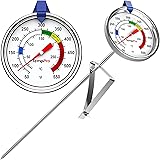
- Ideal Temperature Range: Aim for 12 to 14 degrees Celsius (54-57°F). This range allows the yeast to work steadily and cleanly, ensuring the development of a smooth, refined flavor profile.
- Maximum Temperature: Crucially, keep your fermentation below 18 degrees Celsius (64°F). Fermenting above this temperature, even slightly, can cause the yeast to produce those unwanted citrusy or cidery flavors that completely undermine the clean character of a Bohemian Pilsner.
Practical Tips for Temperature Control
Achieving and maintaining cool fermentation temperatures can be a challenge for home brewers, especially without specialized equipment. However, several methods can help you keep your brew cool:
- Fermentation Fridge or Keezer: The most effective method is a dedicated fridge or freezer (often called a keezer when converted for brewing) with a temperature controller. This provides precise, consistent temperature management.
- Swamp Cooler Method: For a budget-friendly option, place your fermenter in a large bucket or tub of water. Add frozen water bottles or ice packs regularly to keep the water cool. Covering the fermenter with a wet towel can also enhance evaporative cooling.
- Brew During Cooler Months: If you live in a climate with distinct seasons, planning your lager brews for cooler autumn or winter months can make temperature control significantly easier.
- Insulation: Insulating your fermenter with a jacket or blanket can help stabilize temperatures, though it won’t actively cool the wort.
Careful temperature control is the secret weapon for any brewer aiming to produce a truly authentic and delicious Bohemian Pilsner home brew. By mastering this step, you are well on your way to enjoying a perfectly clean and crisp classic Czech lager.
Golden, Crisp Answers for Your Bohemian Pilsner Brew
What is a Bohemian Pilsner?
A Bohemian Pilsner is a classic Czech beer style known for its clean, refreshing taste, vibrant golden color, and a balanced flavor of malt sweetness and distinct hop bitterness. It originated from Plzeň (Pilsen) in the Czech Republic.
What special ingredients are important for brewing a Bohemian Pilsner?
Key ingredients include quality malt extracts for a clean base, Saaz hops for their distinct spicy and floral aroma, and a specific lager yeast like SAF Lager S23 for a crisp profile.
Why is temperature control important during fermentation for a Bohemian Pilsner?
Maintaining cool fermentation temperatures is crucial because lager yeast performs best in cooler conditions, preventing off-flavors like fruity or solvent-like tastes. This ensures your Bohemian Pilsner has a clean and crisp character.
How can I keep my beer cool during fermentation?
You can control fermentation temperature using a dedicated fermentation fridge, a swamp cooler method with ice packs, or by brewing during cooler months. Insulating your fermenter can also help stabilize temperatures.