A recent informal survey of aspiring homebrewers revealed that over 70% express apprehension regarding the perceived complexity and potential for errors during the beer-making process. This significant barrier often deters individuals from pursuing a rewarding hobby. As the accompanying video adeptly illustrates, however, initiating one’s brewing journey does not necessitate an immediate dive into intricate all-grain methodologies. Instead, a more accessible and equally fulfilling pathway exists through the adoption of homebrewing with extract, a technique designed to simplify initial forays into crafting artisanal beers.
The transition from a novice enthusiast to a confident brewer is significantly smoothed by an understanding of fundamental brewing principles, which are readily grasped via the extract method. Indeed, the fear of “screwing something up,” as eloquently articulated in the video, is a common sentiment among those contemplating their first brew. This apprehension is often unwarranted when leveraging the streamlined approach inherent in extract brewing, which systematically removes several common points of failure while maintaining creative control over the final product. Consequently, many successful brewers commenced their endeavors utilizing precisely these foundational kits, building expertise progressively.
Demystifying the Brewing Process: Extract vs. All-Grain Fundamentals
In traditional all-grain brewing, the initial phase involves converting starches found within malted barley into fermentable sugars. This intricate process, commonly referred to as mashing, requires precise temperature control and specific enzymatic activity to yield the sugar-rich liquid known as wort. The malted grain undergoes milling to expose its interior, subsequently being steeped in hot water for a defined period. During this mash, inherent enzymes systematically break down complex carbohydrates into simpler sugars, a critical biochemical transformation demanding meticulous attention to detail and specialized equipment.
Conversely, homebrewing with extract dramatically streamlines this preparatory stage by utilizing a pre-processed malt extract. This concentrated syrup or dry powder already contains the converted sugars, effectively bypassing the entire mashing and sparging process. Therefore, the brewer is spared the complexities associated with managing mash temperatures, pH levels, and lengthy sparging operations, which are often sources of error for beginners. The pre-processed nature of malt extract functions much like a pre-assembled component in a complex machine, enabling focus on subsequent crucial steps.
The Efficacy of Malt Extract in Beer Production
Malt extracts, available in both liquid malt extract (LME) and dry malt extract (DME) forms, are derived from fully mashed grains that have been concentrated through evaporation. Liquid malt extract, often packaged in cans or pouches, retains some water content, whereas dry malt extract is a dehydrated powder. Both varieties offer a consistent sugar source, which is paramount for predictable fermentation outcomes. Their pre-converted sugar profile ensures that a robust wort can be prepared swiftly, providing a solid foundation for yeast activity.
Furthermore, these extracts are formulated to provide specific malt characteristics, allowing brewers to select profiles ranging from light lager to rich stout. The quality and type of extract chosen directly influence the beer’s ultimate color, body, and underlying malt flavor. Consequently, even without engaging in all-grain mashing, brewers possess substantial control over the foundational characteristics of their brew. This flexibility permits an exploration of diverse beer styles while capitalizing on the inherent simplicity of the extract method.
Initiating Your Homebrewing Journey: The Extract Advantage
For individuals embarking on their first beer-making adventure, extract brewing offers unparalleled advantages, primarily through its significant reduction in complexity and equipment requirements. The primary hurdle of sugar extraction is already managed, allowing novices to concentrate on essential subsequent steps such as boiling, hop additions, and fermentation. This focused approach enables a more digestible learning curve, fostering confidence rather than discouragement. Consequently, the initial investment in brewing equipment is notably lower, making the hobby more accessible financially.
Moreover, the simplified process inherent in using malt extract often translates into more consistent results for beginner brewers. Without the variables introduced by mashing efficiencies or temperature fluctuations, the likelihood of producing a desirable beer on the first attempt is substantially increased. This reliability is crucial for maintaining enthusiasm and encouraging further exploration within the homebrewing community. The expediency of setting up an extract brew further enhances its appeal, allowing for a quicker turnaround from conception to actual beer consumption.
Essential Equipment for Extract Brewing Success
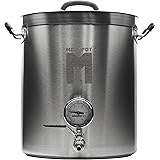
Establishing a functional extract brewing setup typically requires a modest array of specific tools, which are far less extensive than those demanded by all-grain methods. A large brewing kettle, ideally around 5 gallons or more, is essential for boiling the wort. A fermenter, such as a glass carboy or food-grade plastic bucket, will house the liquid during its transformation into beer. Additionally, an airlock and stopper are required to maintain an anaerobic environment for yeast, whilst allowing CO2 to escape. Sanitation equipment, including a good cleaner and sanitizer, remains absolutely critical regardless of brewing method.
Mastering the Art of Extract Brewing: A Step-by-Step Overview
The heart of homebrewing with extract involves combining the malt extract with water to form the wort, followed by a sustained boil. During this boil, hops are introduced at specific intervals to impart bitterness, flavor, and aroma to the beer. Bitterness is primarily derived from hop additions early in the boil, whereas flavor and aroma compounds are preserved by adding hops closer to the end. This strategic timing is crucial for developing the desired sensory profile of the final product, acting much like seasoning in a culinary dish.
Subsequent to the boil, the wort must be rapidly cooled to a temperature suitable for yeast pitching, typically between 60-75°F (15-24°C), a process often achieved with an immersion chiller or by placing the kettle in an ice bath. Once cooled, the wort is transferred to a sanitized fermenter, and the selected yeast strain is introduced. This yeast then commences its metabolic activity, converting the sugars in the wort into alcohol and carbon dioxide. This fermentation period usually spans one to two weeks, culminating in the creation of uncarbonated beer, which will then be primed and bottled or kegged for conditioning.
Strategic Hop Additions: Crafting Flavor Profiles
The precise timing and type of hop additions are pivotal in defining a beer’s character. Hops added at the beginning of the boil, typically for 60 minutes or longer, contribute primarily alpha acids that isomerize to provide bitterness. These are often referred to as bittering hops. Conversely, hops introduced during the last 15-20 minutes of the boil offer significant flavor contributions, enriching the beer with more subtle herbal, citrus, or floral notes. Hops added during the final minutes, or even after the boil, are largely responsible for imparting delicate aromas, which rapidly dissipate with extended heat exposure. Careful consideration of these stages facilitates sophisticated recipe development.
Advancing Your Skills: Beyond the Basic Extract Brew
While extract brewing serves as an excellent entry point, it also offers avenues for progressive skill development. Many brewers evolve their extract recipes by incorporating specialty grains through a steeping process, which adds complexity and depth not achievable with extract alone. These grains, often steeped in hot water much like tea, contribute additional colors, flavors, and aromas without the need for a full mash. This partial grain steeping represents a logical next step for those wishing to expand their repertoire without fully committing to all-grain setups. Ultimately, the comprehensive understanding gained through extract brewing provides an invaluable foundation.
Fermenting Answers for Your Beginner Extract Brew
What is extract brewing?
Extract brewing is a beginner-friendly method for making beer at home that uses pre-processed malt extract, simplifying the initial stages of the brewing process.
Why is extract brewing good for new brewers?
It bypasses complex steps like mashing, reducing the potential for errors and making the learning curve much easier for first-time brewers.
What’s the main difference between extract and all-grain brewing?
Extract brewing uses pre-converted sugars from malt extract, while all-grain brewing requires the brewer to convert starches from malted barley into sugars themselves through a process called mashing.
What essential equipment do I need to start extract brewing?
You will typically need a large brewing kettle, a fermenter, an airlock and stopper, and sanitation equipment to properly clean everything.
How do hops contribute to the beer during extract brewing?
Hops are added during the boil to impart bitterness, flavor, and aroma. The timing of when they are added determines which of these characteristics they primarily contribute.