In the vibrant world of homebrewing, achieving a truly pristine brew often comes down to mitigating the insidious threat of oxidation. Recent studies highlight that oxygen exposure during the cold side transfer can drastically reduce a beer’s shelf life, sometimes by as much as 50% compared to carefully managed transfers. The video above delves into both the nuanced art of brewing a classic Altbier and the critical science behind minimizing cold-side oxidation during kegging homebrew, a challenge every serious brewer eventually confronts.
The Altbier, a traditional German ale from Düsseldorf, stands as a testament to brewing heritage, offering a unique profile that blends ale yeast characteristics with lager-like crispness. While the focus on producing this delicious brew is paramount, the accompanying deep dive into optimizing your kegging homebrew process is equally vital for maintaining the integrity and longevity of your fermented masterpiece. This guide expands on the video’s insights, providing a comprehensive look at both elements, from the foundational grain bill to advanced closed-system transfers.
Deconstructing the Düsseldorf Altbier: An Old-World Ale
The term “Altbier” literally translates to “old beer,” a nomenclature that aptly describes its historical brewing method. Unlike many modern German styles that utilize lager yeasts, Altbier embraces the older tradition of top-fermenting ale yeast. This distinct characteristic, however, doesn’t translate to the fruity esters commonly associated with many ales; instead, the yeast (such as WLP029 German Ale Yeast) performs optimally at cooler fermentation temperatures, often around 60°F (15.5°C), which yields a remarkably clean, crisp profile reminiscent of a lager.
Creating a balanced Altbier involves a thoughtful combination of malt complexity and hop bitterness. The grist in the video, consisting of 9 lbs (4.08 kg) of German Pilsner Malt as a foundational base, provides a clean, neutral canvas. This is then layered with 1 lb (0.45 kg) of Munich 10L, which imparts a rich, malty backbone and a touch of color, enhancing the beer’s body and depth. Furthermore, specialty malts like 4 oz each of Caramunich I and Chocolate Malt contribute subtle caramel notes and a beautiful reddish-amber hue, characteristic of the style.
The Craft of Altbier: Mashing, Hops, and Fermentation
Mashing for Altbier typically occurs at a single infusion temperature, as demonstrated in the video at 152°F (67°C) for 60 minutes. This temperature promotes a balanced sugar profile, leading to a beer with moderate body and good fermentability. The goal is to achieve a pre-boil gravity around 1044, setting the stage for the yeast to do its work. Maintaining precise temperature control during this phase is critical, as it directly influences the final body and perceived sweetness of the beer, a subtle interplay of enzymes and starches.
Regarding hops, Altbier prefers a clean, noble bitterness that supports the malt profile without overpowering it. The video wisely employs Perle hops, adding 1.75 oz (49 g) to reach an IBU of 37, providing a firm yet not aggressive bitterness that lasts throughout the sip. As the boil nears its end, 0.75 oz (21 g) of Tettnang hops are introduced at 15 minutes, contributing delicate floral and spicy aromatics that complement the beer’s malty complexity. This hop schedule strikes an elegant balance, allowing both malt and hop characteristics to shine harmoniously.
The selection of WLP029 German Ale Yeast is a cornerstone for authentic Altbier production. This specific strain is renowned for its ability to produce a clean fermentation profile, minimizing fruity esters and diacetyl, especially when fermented at the cooler end of ale temperatures, such as the recommended 60°F (15.5°C). This careful temperature management during fermentation is what truly differentiates Altbier, allowing it to bridge the gap between ale and lager characteristics and achieve its signature crispness. The original gravity of 1052, followed by a final gravity of 1009, indicates excellent attenuation and results in a sessionable 5.6% ABV beer.
Mastering the Art of Kegging Homebrew: Battling Oxidation
Once the fermentation journey is complete and the Altbier is ready, the next critical phase for any homebrewer is packaging. For those committed to quality, kegging homebrew presents its own set of challenges, primarily the pervasive threat of cold-side oxidation. This occurs when dissolved oxygen comes into contact with the beer post-fermentation, leading to stale, papery, or sherry-like off-flavors that degrade the beer’s freshness and aromatic vibrancy. The video introduces a brilliant closed-system transfer method, a significant upgrade for any serious brewer.
The traditional method of simply racking beer into an air-filled keg is akin to inviting the enemy into your camp; the oxygen present in the keg’s headspace quickly dissolves into the beer, triggering oxidative reactions. In contrast, a closed-system transfer, as demonstrated, acts as a fortress against oxygen. By meticulously purging the receiving keg with CO2 and creating a closed loop for gas exchange, brewers can dramatically reduce, if not virtually eliminate, oxygen exposure during transfer, preserving the delicate flavors and aromas of their carefully crafted beer.
Implementing a Closed-System Transfer for Superior Shelf Life
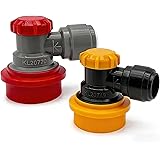
The core principle of this advanced kegging homebrew technique is simple yet revolutionary: replace all ambient air in the receiving keg with an inert gas, typically CO2, before any beer touches its walls. This is achieved by first filling the keg entirely with a sanitizing solution, like Star San diluted in water, then displacing this liquid with CO2 from a second keg or directly from your CO2 tank. The video illustrates this perfectly by connecting the liquid-out post of the Star San-filled keg to the liquid-in post of the receiving keg, with CO2 pushing the sanitizer through, while the gas-out post on the receiving keg vents displaced air. This leaves the receiving keg completely filled with CO2.
Once the receiving keg is purged and pressurized with CO2, the next step involves creating a closed loop between the fermenter and the keg. The beer outlet from the fermenter (often a spigot or liquid-out post on a fermenting vessel) connects to the liquid-in post of the CO2-filled keg. Crucially, the gas-out post of the keg is then connected via tubing back to the headspace of the fermenter. As beer flows from the fermenter into the keg under light pressure, the CO2 already in the keg is displaced and pushed back into the fermenter’s headspace, maintaining a balanced pressure differential and preventing atmospheric oxygen from entering either vessel. This pressurized transfer technique is akin to moving liquid within a sealed pipeline, where every molecule of gas is accounted for.
This closed-loop system is a powerful metaphor for protecting your brew: instead of exposing your delicate beer to the elements, you are gently ushering it from one protected environment to another. While direct measurement of dissolved oxygen at home can be challenging, the logical reduction in exposure afforded by this method is undeniable. Brewers who adopt this advanced kegging homebrew strategy often report a noticeable increase in the freshness and longevity of their beers, maintaining those vibrant flavors for weeks or even months longer than open transfers. It truly is a game-changer for preserving the quality of your home-brewed Altbier and every other style you craft.
Tapping into Your Altbier & Kegging Queries
What is Altbier?
Altbier is a traditional German ale from Düsseldorf that combines characteristics of ale yeast with a crisp, lager-like profile. Its name means “old beer,” referring to its historical use of top-fermenting ale yeast.
Why is oxygen exposure bad for homebrewed beer?
Oxygen exposure, especially after fermentation, can cause beer to develop stale, papery, or sherry-like off-flavors. This process, called oxidation, significantly reduces the beer’s freshness and shelf life.
What is a ‘closed-system transfer’ in homebrewing?
A closed-system transfer is a method for packaging beer into a keg that prevents it from coming into contact with oxygen. It involves purging the receiving keg with CO2 and moving the beer in a sealed loop from the fermenter to the keg.
What is the main benefit of using a closed-system transfer when kegging homebrew?
The main benefit is protecting your beer from oxidation, which preserves its delicate flavors and aromas. This method helps your homebrew stay fresh and vibrant for much longer periods.
What type of yeast is typically used for Altbier, and why?
WLP029 German Ale Yeast is commonly used for Altbier because it ferments at cooler temperatures, around 60°F (15.5°C). This produces a remarkably clean profile, minimizing fruity flavors and achieving a crispness similar to a lager.