The journey into home brewing can seem daunting at first, yet it consistently proves to be a rewarding endeavor, as thoughtfully explored in the accompanying video. From the vast, industrial operations of a commercial brewery to the precise, hands-on process of crafting a batch in one’s own kitchen, the fundamental principles of brewing beer remain surprisingly consistent. This exploration of personal beer making provides a valuable perspective on the intricate balance of science and art required to produce a delicious beverage, inspiring many to discover the joy of home brewing.
Understanding the Brewing Landscape: From Industrial to Homebrew Scale
Initial exposure to the large-scale operations within a professional environment, such as Cellar Head Brewing Company, provides crucial context for aspiring home brewers. Observing the sophisticated machinery and the methodical steps involved in commercial production can demystify the brewing process, highlighting how even complex procedures are broken down into manageable stages.
The Grandeur of Commercial Breweries
At a commercial brewery, significant stainless steel vessels dominate the landscape. The cold liquor tank, for instance, is where chilled water is maintained, while the hot liquor tank supplies the necessary hot water for various stages. The mash tun, a particularly important vessel, is where large quantities of malt are combined with hot water, initiating the conversion of starches into sugars; this sugary liquid is known as wort. Subsequently, this wort is transferred to the kettle, where it is boiled and hops are added, contributing bitterness and aroma. Following this, the fermentation vessels (FVs) house the wort during its transformation into beer through the action of yeast. Such a setup underscores the precision and volume involved in professional beer making.
The brewers themselves are often described as “genius scientist guys,” a testament to the blend of empirical knowledge and creative intuition required for consistent quality. Their profound understanding of ingredients and processes allows for a precise prediction of flavor profiles and alcohol by volume (ABV) even before a batch is complete. This level of expertise is typically developed over many years of dedicated practice. The duration of fermentation, for example, is not static; an English Pilsner might remain in fermentation for anywhere from five to eight weeks, depending significantly on the desired outcome and ambient temperature conditions. Colder conditions necessitate longer fermentation periods, whereas warmer temperatures tend to accelerate the process. Furthermore, the modern canning process at such facilities involves meticulous steps, including purging cans with CO2 to minimize oxidation, precise filling, and then hermetic sealing using specialized machinery, ensuring product longevity and quality.
Embarking on Your Home Brewing Journey: Essential Equipment and Cost
The transition from appreciating industrial-scale brewing to actually creating beer at home necessitates a shift in perspective regarding equipment. While the principles are similar, the scale and complexity are dramatically reduced, making home brewing accessible to a wide audience. Fortunately, the initial investment required is often much smaller than anticipated.
Initial Home Brewing Setup: Simplicity is Key
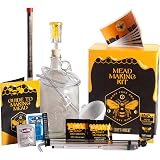
For those taking their first steps into home brewing, the necessary equipment is remarkably basic. As demonstrated by Lee at Beercosm and Brewers Droop—a shop with a brewing lineage tracing back to 1984 on Gloucester Road—a simple setup is entirely sufficient. This typically includes a fermentation bucket, an airlock to release CO2 while preventing external contaminants, a siphon for transferring liquids, an effective sterilizer, and a pre-packaged beer kit. Such a minimalist approach allows new brewers to focus on the core processes without being overwhelmed by specialized gear, thereby easing the entry barrier into this enjoyable hobby.
The Financial Appeal of Brewing Your Own Beer
One of the compelling motivations for many individuals to consider home brewing is its remarkable cost-effectiveness. A successful batch of homemade beer can cost approximately 50 pence per bottle, presenting a significant saving when compared to commercial alternatives. While there is an inherent risk that a batch might not turn out perfectly, the probability of producing at least an “okay” beer is quite high, often surpassing the quality of many mass-produced, moderately priced supermarket options. The potential for substantial savings, coupled with the satisfaction of crafting one’s own beverages, often outweighs the occasional setback, making home brewing an economically attractive hobby for many.
The First Brew: Navigating a Beer Kit
Initiating the home brewing process with a pre-prepared beer kit offers a streamlined introduction to the craft. The video highlights an experience with a 40-pint Continental Pilsner beer kit, designed to yield a substantial volume of brew from relatively simple steps. This method is often recommended for beginners, allowing them to grasp basic procedures without the complexities of sourcing individual ingredients.
Sanitation: The Unsung Hero of Home Brewing
Central to any successful brewing operation, whether commercial or domestic, is meticulous sanitation. This aspect of beer making cannot be overstated; sterilizing all equipment that will come into contact with the wort or beer is paramount. Any contamination by undesirable bacteria or wild yeasts can irrevocably spoil a batch, resulting in off-flavors or even complete failure. Therefore, the diligent application of sterilizing powder to buckets, siphons, airlocks, and even hands, as demonstrated in the video, is not merely a recommendation but an absolute necessity for ensuring a clean, healthy fermentation environment and a palatable final product. This proactive measure significantly mitigates risks in the home brewing process.
From Wort to Fermentation: The Initial Steps
With a beer kit, the primary ingredients are often pre-concentrated in tins. These are typically diluted with warm water, stirred to ensure thorough mixing, and then topped up to the specified volume. Following this, a packet of specialized brewer’s yeast is introduced, marking the beginning of the primary fermentation stage. This initial fermentation typically takes around 12 days, during which the yeast consumes the sugars in the wort and produces alcohol and carbon dioxide. After this period, the beer is transferred to bottles, where a small amount of additional sugar is added to each. This sugar facilitates a second, or secondary, fermentation within the sealed bottles. During this two-week conditioning phase, the trapped CO2 naturally carbonates the beer, creating the desired fizziness and enhancing its flavor profile, leading to a refreshing finished product.
The Kit’s Limitations: A Desire for Deeper Understanding
Despite the convenience and initial success afforded by beer kits, some brewers, like the individual in the video, discover a yearning for a more profound connection to the beer making process. The act of merely opening pre-packaged tins and following minimal instructions can leave one feeling somewhat detached from the true craft of brewing. This sentiment often catalyzes a desire to move beyond kits and delve into brewing from scratch, where individual ingredients are meticulously selected and managed. This progression is driven by an interest in understanding the nuanced contributions of each component and experiencing the full creative control that traditional brewing offers, thereby deepening one’s appreciation for the entire process.
Deconstructing Beer: The Four Core Ingredients
To truly understand beer making, a comprehensive grasp of its fundamental components is essential. Beer, in its most basic form, is crafted from just four core ingredients: water, malt, hops, and yeast. However, the infinite variations and combinations possible with these elements lead to the vast array of beer styles enjoyed globally.
Water: The Often Underestimated Foundation
While a novice might dismiss water as a simple filler, its composition is critically important to professional brewers. Water constitutes the vast majority of beer’s volume and acts as the solvent that extracts flavors and aromas from the other ingredients. Different regions possess distinct water profiles, containing varying concentrations of minerals such as calcium, magnesium, sulfates, and chlorides. These minerals significantly influence mash pH, yeast activity, and the final beer’s taste, mouthfeel, and clarity. For example, the hard, sulfate-rich water of Burton-on-Trent, England, historically favored pale ales, while the softer water of Pilsen, Czech Republic, was ideal for crisp lagers. Although complex water chemistry can be a later stage of learning for home brewers, acknowledging its importance is a key step in beer making.
Malt: The Source of Sugars and Flavor
Malt is a grain, most commonly barley, that has undergone a controlled germination process before being dried and often roasted. This malting process develops enzymes within the grain, which are crucial for converting starches into fermentable sugars during the mashing stage. These sugars subsequently serve as the primary food source for the yeast. While barley is predominant, other malted grains such as wheat and oats, and even unmalted adjuncts like corn or rice, are utilized to contribute specific characteristics to the beer. For example, pale malt, frequently used in pale ales, imparts a sweet, cake-like aroma and a light color. The vast selection of malts, differing in origin, roasting levels, and processing methods, allows brewers immense flexibility in crafting distinct flavor profiles, ranging from crisp and bready to rich and chocolatey, demonstrating the depth of choice in modern home brewing.
Hops: Bitterness, Aroma, and Preservation
Hops, specifically the flower or cone of the hop plant, are indispensable to beer for multiple reasons. Primarily, they provide bitterness, which balances the sweetness of the malt and contributes to the beer’s overall harmony. Beyond bitterness, hops are celebrated for their diverse aromatic and flavor contributions, which can range from citrusy, floral, and piney to spicy or earthy notes. The timing of hop additions during the boil significantly influences their impact: early additions contribute more bitterness, while later additions enhance aroma and flavor. The video’s visit to a Kent hop farm illustrated the cultivation of varieties like Fuggles, known for its minty floral characteristics, and Challenger, a versatile dual-purpose hop providing tobacco and cedary aromas. Hop plants are remarkably resilient, with some lasting for 40 years, and require specialized trellising systems where they climb strings to heights of up to 18 feet. After harvesting in August and September, the hops are dried in kilns to preserve their volatile oils and then pressed into bales for distribution to brewers, ensuring their potent properties are maintained for the beer making process.
Yeast: The Living Fermentation Engine
The fourth crucial ingredient, often referred to as the “unsung hero” of brewing, is yeast. These microscopic single-celled fungi are responsible for the miraculous transformation of sweet wort into alcoholic beer. During fermentation, yeast metabolizes the fermentable sugars extracted from the malt, converting them primarily into ethanol (alcohol) and carbon dioxide. However, yeast also produces a wide array of secondary compounds, known as esters and phenols, which contribute significantly to the beer’s aroma and flavor profile. Different strains of yeast are meticulously chosen for various beer styles; for instance, ale yeasts typically ferment at warmer temperatures and produce fruity esters, while lager yeasts prefer colder conditions and yield a cleaner, crisper flavor. The health and vitality of the yeast are therefore paramount to a successful brew, dictating both the efficiency of fermentation and the ultimate character of the finished beer, making it a critical component in home brewing.
The Unpredictable Nature of Home Brewing
The world of home brewing is replete with both exhilarating successes and instructive failures. This dichotomy is a fundamental aspect of the learning process, offering valuable insights into the complexities of beer making.
Celebrated Achievements: A Head Brewer’s Approval
One of the most gratifying moments for any home brewer is receiving positive feedback, especially from a seasoned professional. The video recounts an experience where the host’s accidental pilsner received commendation from a head brewer. This professional validation, acknowledging the beer’s quality and character, serves as a powerful motivator, underscoring the potential for crafting truly exceptional beverages even without extensive prior experience. Such recognition from an expert in the field signifies that the core principles of beer making were effectively applied, leading to a product that was genuinely enjoyed.
Learning from Setbacks: The Failed Stout
Conversely, the journey of home brewing inevitably includes its share of disappointments. The video candidly acknowledges a stout batch that “completely failed,” resulting in a product deemed undrinkable and ultimately discarded. Such occurrences are not uncommon and are, in fact, integral to the learning curve. Each failure, while disheartening in the moment, provides invaluable lessons in identifying potential pitfalls, understanding ingredient interactions, and refining techniques. These experiences foster resilience and a deeper appreciation for the intricacies involved in consistently producing high-quality home brewing, reminding brewers that even master craftspeople have had their share of missteps.
Your Homebrew Q&A: From Grain to Glass
What is home brewing?
Home brewing is the process of making your own beer at home, offering a rewarding way to craft a delicious beverage using similar principles to large-scale breweries.
What essential equipment do I need to start home brewing?
For beginners, a basic setup typically includes a fermentation bucket, an airlock, a siphon, an effective sterilizer, and a pre-packaged beer kit.
Is home brewing expensive to start?
No, the initial investment for home brewing is often smaller than anticipated, and making your own beer can be very cost-effective compared to buying commercial options.
Why is sanitation important in home brewing?
Meticulous sanitation is crucial in home brewing to prevent contamination from undesirable bacteria or wild yeasts, which can spoil a batch and result in off-flavors.
What are the main ingredients used to brew beer?
Beer is crafted from four core ingredients: water, malt (usually barley), hops, and yeast, which all contribute significantly to its flavor and characteristics.