Navigating the initial landscape of homebrewing equipment can feel overwhelming. Many aspiring brewers imagine extensive labs and complex machinery. However, beginning your homebrew journey requires less than you might think. A basic 4-gallon kettle, for instance, costs around $20, providing an affordable entry point for newcomers. This article builds upon the foundational insights shared in the video above, delving deeper into essential and advanced homebrew beer equipment, offering expert analysis for serious enthusiasts.
Essential Homebrew Beer Equipment for Beginners
Starting with the basics ensures a smooth entry into brewing. You need a few core components for successful homebrewing. These items form the backbone of your first several batches.
The Humble Brewing Kettle: Your Brew Day Workhorse
A brewing kettle is fundamental to your setup. It contains your wort during the boil phase. For small batches, a 4-gallon stainless steel pot suffices. Conversely, larger 10-gallon kettles accommodate all-grain brewing and bigger volumes. Select a kettle with a thick bottom for even heat distribution, preventing scorching.
Grain and Hop Bags: Filtration Essentials
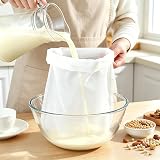
Specialty grain bags are crucial for partial mash brewing. They steep grains without creating a messy infusion. Hop bags, similarly, contain hops during the boil. This prevents hop debris from entering your fermenter. Imagine having clear wort, free from particulate matter. These simple bags significantly streamline your process.
Mastering Gravity: Hydrometers and Refractometers
Measuring specific gravity is vital for tracking fermentation. A hydrometer offers reliable readings for both pre-fermentation wort and finished beer. You immerse it directly into your sample. Conversely, a refractometer provides quick Brix readings of your pre-fermentation wort. However, remember that refractometers inaccurately measure fermented alcoholic solutions without complex calibration. Always use a hydrometer for final gravity checks, ensuring precise alcohol by volume (ABV) calculations.
Sanitation: The Brewer’s Imperative
Sanitation stands as the most critical aspect of homebrewing. Star San is a popular no-rinse sanitizer. It effectively neutralizes bacteria and wild yeasts. Boiling water also sanitizes small items, yet chemical sanitizers like Star San offer broader coverage. Never underestimate the power of cleanliness; contamination ruins batches rapidly. Imagine losing weeks of effort to a rogue microbe. Conversely, proper sanitation ensures clean, great-tasting beer.
The Fermenter and Airlock: Where the Magic Happens
Your fermenter provides a sterile environment for yeast to convert sugars into alcohol. Plastic fermenting buckets are affordable and durable for beginners. Glass carboys offer better visibility and oxygen protection, but they are fragile. A fermenter lid, typically with a 3/8-inch grommet, seals the vessel. An airlock then allows CO2 to escape while preventing airborne contaminants from entering. This system creates a pressure barrier, safeguarding your precious wort.
Temperature Control: The Brewer’s Thermometer
Precise temperature control is paramount. An accurate thermometer ensures correct mash temperatures and proper yeast pitching temperatures. Digital thermometers offer quick, precise readings. Maintaining optimal temperatures facilitates efficient enzyme activity during mashing and prevents off-flavors during fermentation.
Organized Brewing: Storage Solutions
Efficiently storing your homebrew gear simplifies your process. A small tote keeps all your basic equipment organized. Air locks, hydrometers, and thermometers fit neatly inside. This prevents misplacement and streamlines setup for future brew days. A tidy workspace enhances both efficiency and enjoyment.
Bottling Your Brew: From Fermenter to Glass
Once fermentation finishes, bottling is the final step for many homebrewers. This process involves specific equipment to properly package your beer.
Bottle Cleaning and Sanitizing: Preparing for Packaging
Reusable bottles, like old Guinness bottles, are cost-effective options. However, they demand thorough cleaning and sanitizing. A bottle tree helps drain sanitized bottles efficiently. A bottle cleaner, designed to spray sanitizing solution inside each bottle, accelerates this tedious task. You simply press the bottle onto a spring-loaded nozzle. While not strictly necessary, this tool significantly enhances bottling day efficiency. Imagine cleaning dozens of bottles in minutes instead of hours. Proper preparation prevents oxidation and infection.
Caps, Capper, and Priming Sugar: Sealing the Deal
Bottle caps seal your beer, preserving its freshness. A bottle capper secures these caps onto the bottles. Two types exist: bench cappers (more stable) and wing cappers (portable). Priming sugar, typically dextrose, restarts a mini-fermentation in the bottle. This produces CO2, naturally carbonating your beer. Accurately measure priming sugar to avoid over-carbonation (bottle bombs) or under-carbonation.
Advanced Homebrew Equipment for the Experienced Brewer
As your skills progress, advanced equipment offers greater control and efficiency. These tools elevate your brewing game beyond extract kits.
Wort Chillers: Rapid Cooling for Clarity and Flavor
A wort chiller significantly reduces cooling time post-boil. Immersion chillers, like coiled copper tubing, cool your wort in 30 minutes to an hour. Rapid chilling is crucial for “cold break,” which precipitates proteins and polyphenols, leading to clearer beer. It also minimizes the risk of infection by quickly bringing wort below the temperature range where spoilage organisms thrive. Imagine achieving professional-level clarity and avoiding unwanted haze.
Stir Sticks and Mash Tuns: All-Grain Brewing Essentials
A long stir stick aids in mixing and aerating larger batches. For all-grain brewing, a mash tun is indispensable. This insulated vessel, often a converted 10-gallon cooler, holds your strike water and grains at a consistent temperature. Within the mash tun, a tube filter or false bottom prevents grain particulate from clogging the valve during sparging. Techniques like vorlauf and recirculating mash become possible, enhancing mash efficiency and wort clarity. Imagine extracting maximum sugars from your grains for a robust, complex beer.
Auto-Siphon and Bottling Tube: Efficient Transfer
An auto-siphon simplifies transferring beer without disturbing sediment. Its spring-loaded mechanism initiates flow effortlessly. Connecting it to a bottling tube, which features an automatic shut-off valve, allows mess-free bottling. This prevents spills and minimizes oxygen exposure during packaging. You can fill bottles quickly and cleanly, ensuring consistent volumes without drips.
Kegging Systems: The Ultimate Convenience
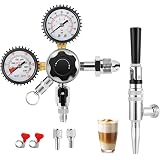
Many advanced brewers transition to kegging for convenience. Mini-kegs offer a compact solution, often with DIY ball lock connections. A 5-pound CO2 tank, available through exchange programs for approximately $15 after an initial $75 deposit, powers your system. A dual-gauge CO2 regulator monitors both tank pressure and serving pressure. Kegging eliminates bottling day drudgery, provides instant carbonation, and allows for precise control over carbonation levels. Imagine enjoying a perfectly carbonated pint on tap whenever you desire, without the hassle of washing and capping bottles.
Sourcing Your Homebrew Beer Equipment
Acquiring equipment doesn’t always require brand new purchases. Local homebrew shops offer expert advice and specialized items. Online retailers provide vast selections and competitive pricing. Additionally, consider looking for used equipment on platforms like Facebook Marketplace or Craigslist. Many experienced brewers upgrade their setups, selling functional gear at reduced costs. As long as items are clean and in good condition, they perform just as well as new. Remember that specific tubing, costing about $1 per foot, requires periodic replacement for optimal sanitation. This foresight ensures your homebrew beer equipment remains in top condition for many batches.
Brewing Up Answers: Your Homebrew Equipment Questions
What is the most important thing to remember when homebrewing?
Sanitation is the most critical aspect of homebrewing. It prevents bacteria and wild yeasts from spoiling your beer, ensuring clean and great-tasting results.
What is a brewing kettle used for?
A brewing kettle is a fundamental pot used to hold your wort during the boil phase of brewing. For beginners, a 4-gallon stainless steel pot is typically sufficient for small batches.
Why do I need a fermenter and an airlock?
The fermenter creates a sterile environment for yeast to convert sugars into alcohol. An airlock then allows carbon dioxide to escape while preventing airborne contaminants from entering the vessel.
What is ‘specific gravity’ and how do I measure it?
Specific gravity measures the sugar content in your wort and beer, which is vital for tracking fermentation progress. You can measure it reliably by immersing a hydrometer directly into your liquid sample.