Crafting a truly exceptional brew involves precision, patience, and a deep understanding of technique. For example, a recent batch of German Kölsch, as detailed in the video above, began with a gravity of 1.049, culminated in a 6% ABV beer, and achieved approximately 26 IBUs using Hallertau Mittelfrüh hops. The success of this delicate style, however, hinges significantly on a unique fermentation process and careful packaging. This guide expands on these crucial steps, offering homebrewers the insights needed to perfect their Kölsch beer and ensure optimal quality through expert kegging homebrew beer practices.
1. The Art of Brewing Authentic Kölsch Beer
The German Kölsch style, hailing from Cologne, is renowned for its crisp, clean profile, often described as a hybrid ale-lager. This distinctive characteristic comes from fermenting with ale yeast at cooler-than-average temperatures, then lagering for an extended period. The video highlights a recipe featuring a significant 60% German pilsner malt alongside 40% Vienna malt, mashed at 152 Fahrenheit for about an hour.
The Crucial Malt Bill for Kölsch
Employing a blend of German malts is paramount for an authentic Kölsch. German Pilsner malt, representing the majority, establishes a clean, bready, and slightly sweet foundation, crucial for the style’s light body and pale color. The addition of Vienna malt, in a 40% ratio as demonstrated, contributes subtle toasty notes, a richer golden hue, and a touch more malt complexity without becoming heavy or caramel-like. While 100% pilsner malt is a traditional option, the Vienna malt inclusion can add an enjoyable layer of flavor, enhancing the beer’s overall depth. Such precise grain selection dictates the final character of your homebrewed Kölsch, aiming for that ideal 5-6% ABV.
Hops and Bitterness: The Noble Touch
For Kölsch, the hop profile must be understated, balancing the malt without dominating it. Noble hops are the definitive choice due to their delicate floral, spicy, and earthy aromas, coupled with a restrained bitterness. The recipe calls for 2 ounces of Hallertau Mittelfrüh added at 60 minutes for bitterness, alongside 0.5 ounces at 15 minutes for a subtle aroma contribution, achieving an IBU of approximately 26. This calculation typically ensures a bitterness-to-gravity ratio (BU:GU) that keeps the beer refreshing and highly drinkable, a hallmark of the style. Other suitable noble hops include Tettnang and Spalt, each offering slight variations in aromatic compounds that can be explored by the adventurous brewer.
2. Mastering Kölsch Fermentation and Conditioning
What truly sets a Kölsch apart from other ales is its unique fermentation and conditioning regimen. The video correctly emphasizes that despite using an ale yeast like WLP 029 German Ale/Kölsch Yeast, the fermentation temperature mimics that of a lager, typically around 60 Fahrenheit (15-16°C). This lower temperature allows the ale yeast to produce very clean esters, minimizing undesirable fruity or phenolic off-flavors often associated with warmer ale fermentations. Comparatively, most ales ferment between 65-68 Fahrenheit (18-20°C).
The Role of Yeast and Temperature Control
The chosen yeast strain, such as WLP 029, is specifically adapted to these cooler temperatures, creating the crispness and subtle fruitiness characteristic of a true Kölsch. Maintaining a stable 60 Fahrenheit throughout fermentation is paramount; temperature fluctuations can lead to off-flavors or stalled fermentation. This process, while taking slightly longer than a typical ale (often two weeks), is essential for developing the beer’s refined profile. After primary fermentation, which for this particular batch reduced the gravity to 1.008, the beer is then subjected to a lagering period.
The Lagering Imperative and Shelf Life
Lagering, a cold conditioning phase, typically lasts about four weeks for Kölsch. This extended cold rest allows yeast and other particulates to drop out, contributing to the beer’s characteristic clarity (though some cloudiness was observed in the tasting, suggesting an even longer conditioning could be beneficial). More importantly, lagering enables the flavors to meld and mature, resulting in a smoother, more polished beer. However, the delicate flavor profile of Kölsch also means it has a shorter shelf life than many other beer styles. Exposure to oxygen and extended storage can quickly degrade its subtle notes, leading to staling. Consequently, once conditioned and packaged, it should be consumed relatively fresh to appreciate its full character.
3. Advanced Techniques for Kegging Homebrew Beer
Once your Kölsch is perfectly fermented and conditioned, the next critical step is packaging it without compromising its delicate flavors. The primary enemy at this stage is oxygen, which can swiftly introduce off-flavors and significantly shorten the beer’s shelf life. The video demonstrates a practical approach to kegging homebrew beer by transferring the liquid from the fermenter to the keg via the dip tube, effectively minimizing splashing.
Minimizing Oxygen Exposure During Transfer
The method of directing beer down the keg’s dip tube is a sound strategy to reduce aeration. By introducing the beer at the bottom of the keg, splashing is significantly decreased compared to simply pouring it in from the top. To facilitate this gravity transfer, the brewer uses a gas connector on the keg’s gas post, open to the atmosphere, allowing internal air to escape as beer flows in. This prevents pressure buildup that would otherwise halt the transfer.
However, while this method is effective at mitigating splashing, it does not completely eliminate oxygen. The keg initially contains air (21% oxygen), and as the beer drains from the fermenter, a layer of air at the top can also come into contact with the beer. For homebrewers seeking even greater protection against oxidation, more advanced techniques are highly recommended.
Closed Transfer Systems and CO2 Purging
The ultimate goal in kegging homebrew beer is a closed transfer, where the beer never comes into contact with atmospheric oxygen. This typically involves:
- CO2 Purging the Keg: Before any beer enters, the empty keg should be thoroughly purged with CO2. This is achieved by filling the keg with CO2 (to about 10-15 PSI), then releasing the pressure via the relief valve. Repeating this process 3-5 times effectively flushes out the oxygen, replacing it with inert CO2.
- Pressurized Transfer: For fermenters rated for higher pressure, like stainless steel conicals (unlike the 1 PSI-rated Brew Bucket mentioned in the video), CO2 can be applied to the headspace of the fermenter. This pressure then gently pushes the beer through a closed line directly into the CO2-purged keg. A spunding valve on the keg’s gas post controls the pressure release, ensuring a smooth, oxygen-free transfer. This method completely avoids oxygen exposure on the “cold side,” where the beer is most vulnerable to oxidation and the development of off-flavors such as cardboard, sherry, or even rancid notes.
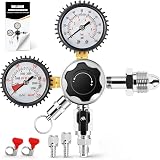
Implementing these techniques requires specific equipment, including CO2 tanks, regulators, and pressure-rated fermenters, but the investment is worthwhile for significantly extending the shelf life and preserving the delicate characteristics of styles like Kölsch.
4. Enjoying Your Homebrewed Kölsch
After the meticulous brewing and packaging process, tasting the fruits of your labor is the rewarding final step. The video’s tasting segment describes the Kölsch as golden, slightly cloudy, with a mild hoppy aroma and a distinct malty taste—characteristics that align well with the style, especially considering its four weeks of conditioning post-fermentation. Serving Kölsch at the appropriate temperature, typically between 40-45°F (4-7°C), enhances its crispness and allows its subtle flavors to shine through. Proper carbonation levels, usually slightly higher than a typical ale, also contribute to its refreshing nature.
The discussion about its short shelf life serves as a practical reminder: homebrewers should plan to consume their Kölsch relatively quickly. This dedication to freshness ensures that the delicate balance of malt, noble hops, and clean fermentation character remains intact. By following these expanded guidelines for brewing and kegging homebrew beer, enthusiasts can consistently produce Kölsch that pays true homage to its German origins, offering a wonderfully crisp and flavorful drinking experience.
Tap Your Questions: Kolsch Brewing & Kegging Q&A
What kind of beer is Kölsch?
Kölsch is a German beer style from Cologne, known for its crisp and clean taste. It’s often called a ‘hybrid’ because it uses ale yeast but ferments at cooler, lager-like temperatures.
What’s special about brewing Kölsch beer?
Kölsch is special because it uses an ale yeast but ferments at cooler temperatures, typically around 60°F. This method helps create its characteristic crisp and clean flavor by minimizing common fruity off-flavors.
What is lagering and why is it important for Kölsch?
Lagering is a cold conditioning period where the beer rests at a cold temperature for several weeks after fermentation. It helps the beer become clearer and allows its delicate flavors to become smoother and more refined.
Why is it important to keep oxygen away from beer when kegging?
Oxygen is a big enemy to finished beer because it can quickly cause unpleasant off-flavors and make your beer go stale much faster. Minimizing oxygen exposure helps preserve the beer’s fresh taste and extends its shelf life.