While Andrew from Crafted Coast masterfully demonstrates the practical steps of brewing a Morgan’s Pacific Pale Ale, his journey reveals a potent truth: elevating a simple kit brew into a truly distinctive craft pale ale is entirely within reach. With an original gravity (OG) potentially hovering around 1.050-1.055, as indicated by his hydrometer reading, Andrew’s ambition to craft an American pale ale boasting an impressive 6.3% to 7% ABV highlights a calculated step beyond basic kit instructions. This significant ABV underscores the importance of thoughtful ingredient selection and precise process control, laying the groundwork for a robust and flavorful brew. Let’s delve deeper into how strategic ingredient choices and refined techniques, as partially explored in the video, can transform your home brewing endeavors into a genuine pursuit of craft excellence.
The Foundation: Elevating Your Malt Base for a Superior Craft Pale Ale Homebrew
The core of any exceptional pale ale homebrew begins with its malt foundation, directly influencing the beer’s body, color, and fermentable sugars. While standard extract kits often provide a basic foundation, understanding and manipulating malt choices offers profound control over the final product. Andrew’s decision to supplement his Morgan’s Pacific Pale Ale kit with Extramalt Light Dried Malt Extract (DME) instead of simple dextrose represents a critical enhancement that many experienced brewers adopt.
1. Understanding Malt Extract: DME vs. Dextrose in Craft Brewing
Imagine if you wanted to build a house: dextrose would be like using only a basic plywood frame, whereas dried malt extract provides a more complete, robust structure. Dextrose, also known as corn sugar, is a 100% fermentable sugar that boosts alcohol content without contributing much to the beer’s body, flavor, or head retention. While it can efficiently increase ABV, excessive use often leads to a “thin” beer lacking the characteristic mouthfeel and richness expected from a quality craft pale ale.
Conversely, Dried Malt Extract (DME) is essentially dehydrated wort, comprising a complex array of fermentable sugars and unfermentable dextrins derived from malted barley. Utilizing DME, like the GMO-free European barley product from Wanda AG, Switzerland, that Andrew uses, enriches the beer with a more complete malt character. This inclusion contributes not only fermentable sugars for alcohol production but also non-fermentable compounds that enhance body, improve head retention, and provide a more authentic, nuanced flavor profile. For a truly rich amber color and full malt character, as described for the Morgan’s Pacific Pale Ale, DME is unequivocally the superior choice.
Beyond the Base: Yeast Selection and Hop Innovations for Flavorful Pale Ales
After establishing a solid malt base, the next pivotal steps in crafting a memorable pale ale involve precise yeast selection and the judicious application of hops. These elements are the architects of a beer’s aromatic complexity and flavor intricacies, defining its overall character and appeal.
2. Selecting the Right Yeast: Crafting Specific Ester Profiles
The small packet of yeast typically included with kit beers often suffices for fermentation but rarely excels in producing specific, desirable flavor profiles. These generic strains are designed for broad compatibility, offering a “one-size-fits-all” approach that might not align with the nuanced characteristics of a craft pale ale homebrew. Andrew’s immediate decision to discard the kit yeast in favor of Safale US-05 dry ale yeast is a testament to experienced brewer insights.
The Safale US-05, an American ale yeast, is celebrated for producing exceptionally well-balanced beers with a very clear, crisp palate. Its medium sedimentation rate and low to medium final gravity contribute to a clean fermentation that allows malt and hop characteristics to shine without unwanted off-flavors or excessive fruitiness. This particular strain is a workhorse in the craft brewing world, ensuring a predictable and desirable ester profile that complements rather than competes with the beer’s other elements. Imagine if you were baking a gourmet cake; you wouldn’t use generic flour if a specific type would yield superior texture and flavor – the principle is identical for yeast in brewing.
3. The Art of Dry Hopping: Unlocking Aromatic Dimensions
Dry hopping, the technique of adding hops during or after fermentation, is an indispensable practice for maximizing a pale ale’s aromatic intensity without introducing bitterness. Andrew’s maiden voyage into dry hopping with a blend of USA Mosaic and New Zealand Taiheke hops is a bold and informed move. This technique is crucial for developing the vibrant, fresh hop character that defines modern craft pale ales.
Firstly, the chosen hop varieties play a critical role. Mosaic hops are renowned for their complex aroma profile, often described as a “fruit medley” encompassing notes of blueberry, tropical fruit, and citrus, alongside earthy undertones. This versatility makes them a favorite for adding layers of aromatic depth. Secondly, New Zealand Taiheke, a Cascade cultivar, brings its own distinct personality. With prominent citrus, grapefruit, and lime characters, it is perfectly suited for New World style pale ales and late additions, imparting a refreshing finish due to its forward aroma and oil profile. The synergy between Mosaic’s complexity and Taiheke’s bright, zesty notes promises an aromatic experience far beyond what a basic kit could deliver.
The timing of dry hopping is also paramount. Andrew plans to add 50 grams of each hop after four days of fermentation, allowing them to steep for 48 to 72 hours. This timing is strategic because it occurs when primary fermentation is nearing completion, minimizing the risk of “hop creep” (a secondary fermentation caused by hop enzymes) and ensuring that the volatile hop oils are retained in the beer rather than being scrubbed out by vigorous CO2 activity. Imagine crafting a fine perfume: you wouldn’t mix your most delicate essences at the very beginning of the process when they could easily dissipate; similarly, dry hopping requires precise timing to capture peak aroma.
The Brewing Process: Precision and Patience
The brewing process itself, as demonstrated in the video, requires meticulous attention to detail, particularly concerning sanitation and temperature control. These factors are non-negotiable for producing a clean, high-quality craft pale ale homebrew.
4. Sanitation: The Unsung Hero of Homebrewing Quality
Andrew humorously admits, “I probably should have sanitized the can as well,” highlighting a common oversight among newer brewers. However, his consistent use of sanitizer for his spoon, can opener, and airlock underscores its critical importance. Sanitation is not merely a recommendation; it is the absolute bedrock of successful homebrewing. Any foreign microbes introduced during the process can quickly contaminate the wort, leading to off-flavors like sourness, diacetyl (buttery notes), or phenolic compounds (plastic-like or band-aid flavors), effectively ruining an entire batch.
Every piece of equipment that will come into contact with the cooled wort, from the fermenter and lid to stirring spoons and airlocks, must be thoroughly cleaned and sanitized. Utilizing an effective no-rinse sanitizer ensures that harmful bacteria and wild yeasts are eliminated, providing a pristine environment for the cultivated brewing yeast to thrive. This diligence protects your investment in quality ingredients and safeguards the integrity of your hard work, ensuring a clean and enjoyable beer.
5. Temperature Control: Orchestrating Optimal Fermentation Dynamics
Andrew correctly identifies the ideal fermentation temperature range of 22-25 degrees Celsius for his Safale US-05 yeast, aiming for 20 degrees Celsius for maximum efficiency. Maintaining this specific temperature is critical because yeast performance is highly sensitive to thermal fluctuations. If the temperature is too low (e.g., Andrew’s 14 degrees Celsius night temperatures), the yeast can become sluggish, leading to incomplete fermentation, higher residual sugars, and potentially undesirable sulfur compounds. Conversely, excessively high temperatures can cause the yeast to ferment too rapidly, producing an abundance of harsh fusel alcohols and overpowering fruity esters, which detract from the clean profile desired in a pale ale.
Effective temperature control, perhaps through a fermentation chamber or a temperature-controlled garage as Andrew uses, allows the yeast to perform optimally, consuming sugars at a steady rate and producing balanced flavors. This consistency is paramount for achieving the desired ABV, attenuation, and flavor profile, ensuring that each batch of your home brewing pale ale is as close to perfect as possible. Imagine a symphony orchestra; each instrument needs to play at the right tempo and pitch for a harmonious result. Yeast requires a similar level of environmental control to perform its best.
The Science of Specific Gravity: Unveiling Your Beer’s Potential
As fermentation concludes, understanding the specific gravity provides a crucial scientific snapshot of your beer’s alcohol content and overall progress. This step, while initially daunting, unlocks a deeper understanding of the brewing process.
6. Hydrometer Readings: Calculating ABV and Gauging Fermentation Progress
Andrew’s final step of taking a hydrometer reading to determine the original specific gravity (OG) is fundamental to homebrewing. Despite his modest claim of not being “very good at” the science, this measurement is straightforward yet immensely powerful. The OG, recorded just after pitching the yeast, indicates the total amount of dissolved sugars in the wort before fermentation begins. For his pale ale, Andrew noted an OG of just over 1.050 (he states 10.105 which is likely a slip for 1.050-1.055).
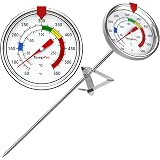
By comparing this Original Gravity to the Final Gravity (FG), taken after fermentation is complete, brewers can accurately calculate the beer’s Alcohol By Volume (ABV). The formula (OG – FG) x 131.25 provides a reliable estimate. Andrew’s projected ABV of 6.3% to 7% for his specific gravity reading suggests a significant alcohol content, indicating a robust and satisfying beer. This measurement not only quantifies the alcohol but also provides insight into the yeast’s attenuation (how much sugar it consumed) and the beer’s potential body. For any aspiring craft brewer, mastering hydrometer readings is an essential skill, transforming guesswork into precise, data-driven decisions for every batch of home brewing pale ale.
Ask the Brew Guide: Your Pacific Pale Ale Questions
Why should I use Dried Malt Extract (DME) instead of just sugar (dextrose) in my homebrew?
DME, like dehydrated wort, enriches your beer with a more complete malt character, contributing to body, flavor, and head retention. Dextrose primarily boosts alcohol without adding much to these qualities.
Is the yeast that comes with a brewing kit good enough?
While kit yeast will ferment your beer, selecting a specialized yeast, such as Safale US-05, is often preferred for a cleaner, more predictable flavor profile. These yeasts allow malt and hop characteristics to shine.
What is ‘dry hopping’ in homebrewing?
Dry hopping is the process of adding hops to your beer during or after fermentation. This technique is used to enhance the beer’s aroma and flavor without increasing its bitterness.
Why is sanitation so important when homebrewing?
Sanitation is the absolute bedrock of successful homebrewing because it prevents foreign microbes from contaminating your wort. Contamination can lead to off-flavors or ruin an entire batch of beer.
Why do I need to control the temperature during fermentation?
Maintaining a consistent fermentation temperature is critical because yeast performance is highly sensitive to thermal fluctuations. Proper temperature control ensures your yeast produces balanced flavors and achieves the desired alcohol content.