Embarking on the journey of homebrewing can seem daunting, especially with all the specialized equipment and intricate steps often associated with traditional methods. However, the world of craft beer has become more accessible than ever, thanks to innovative kits designed specifically for beginners. If you’ve been curious about brewing your own beer but felt intimidated by the complexity, easy homebrewing options like the Festa Brew Pale Ale homebrewing kit offer a fantastic starting point. As seen in the accompanying video, these kits simplify the initial stages, allowing aspiring brewers to dive in without needing extensive knowledge or experience.
The beauty of starting with a kit like Festa Brew lies in its ability to demystify the brewing process. It transforms what might appear to be a complex chemical reaction into a series of manageable, beginner-friendly steps. For many, the first few batches are about gaining confidence and understanding the basic principles before perhaps exploring more advanced techniques. This foundation ensures that homebrewing remains an enjoyable hobby rather than a frustrating chore.
Demystifying Homebrewing: The Festa Brew Advantage for Beginners
Homebrewing doesn’t have to be an exclusive club for seasoned experts. In fact, modern brewing kits have opened the doors for countless enthusiasts to create their own delicious beverages right in their kitchens. The appeal of a kit like the Festa Brew Pale Ale isn’t just about its simplicity; it’s about providing a reliable pathway into a rewarding hobby. These kits effectively remove many of the common hurdles faced by beginners, such as sourcing raw ingredients in precise quantities or performing complex mash and sparge steps.
The speaker in the video highlights a key advantage: having completed three kits in just two months, they attest to the ease of use for a beginner. This rapid succession of batches indicates not only simplicity but also a quick learning curve and gratifying results, encouraging continued engagement with the hobby. For those considering a foray into homebrewing, starting with a kit like Festa Brew offers a low-risk, high-reward approach to producing your very own craft beer.
Understanding Your Festa Brew Kit: What’s Inside the Box?
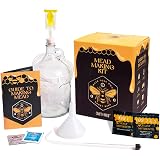
The initial excitement of any new project often begins with unboxing. For a Festa Brew kit, this process is particularly straightforward, setting the tone for the entire easy homebrewing experience. Upon opening the box, you’ll discover the primary components that make this system so beginner-friendly.
The core of the Festa Brew kit is the “Brewer’s Wort.” This is a crucial element and arguably the biggest time-saver for new brewers. A wort is essentially unfermented beer – a sugary liquid extracted from malted grains. In traditional brewing, creating the wort involves several hours of mashing, sparging, and boiling. Festa Brew conveniently provides this first stage already completed. This means you skip the most labor-intensive and technically demanding part of the brewing process, allowing you to focus on the essential steps of fermentation.
Beyond the pre-made wort, each Festa Brew kit also includes detailed instructions. These instructions are typically very clear, breaking down each step into an easy-to-follow format. Reading them thoroughly before you begin is always a good practice, as they will guide you through specifics like yeast rehydration and fermentation temperatures. Finally, and most critically, the kit contains the brewing yeast. This microscopic marvel is responsible for converting the sugars in the wort into alcohol and carbon dioxide, transforming the sweet liquid into beer.
1. Preparing for Fermentation: Rehydrating Your Brewing Yeast
Before the magic of fermentation can begin, the brewing yeast needs a little preparation. Rehydrating dry yeast is a simple yet vital step that helps ensure a healthy and vigorous fermentation. This process wakes up the dormant yeast cells, allowing them to acclimate to a moist environment before being introduced to the rich sugars of the wort.
The video clearly demonstrates this crucial step: you will need approximately three-quarters of a cup of lukewarm water. The temperature of the water is important; it should be warm enough to activate the yeast but not so hot that it harms them. Typically, a temperature between 95-105°F (35-40°C) is ideal. Simply sprinkle the contents of the yeast packet evenly over the surface of the lukewarm water. It is important to avoid stirring at this stage; instead, let the yeast sit undisturbed for about ten minutes. During this period, the yeast cells absorb the water and begin to reawaken. After ten minutes, a gentle stir will fully mix the yeast into the water, creating a milky solution that is now ready to be added to your wort. This small act of patience can significantly contribute to a successful fermentation.
2. Combining Wort and Yeast in the Primary Fermenter
With your yeast properly rehydrated, the next step in your Festa Brew Pale Ale homebrewing journey is to combine it with the Brewer’s Wort in your primary fermenter. This vessel, often a large food-grade bucket or a specialized carboy, is where the initial and most vigorous stage of fermentation will occur.
Carefully pour the pre-made Brewer’s Wort from its packaging into your clean and sanitized primary fermenter. Once the wort is in, gently pour in your rehydrated yeast solution. It’s often recommended to give the mixture a good stir at this point. This serves two purposes: it ensures the yeast is evenly distributed throughout the wort, and it introduces oxygen, which the yeast needs in the initial phase to multiply effectively before it starts producing alcohol anaerobically. Once stirred, the primary fermenter is now ready for its incubation period.
3. Setting Up for Successful Primary Fermentation
The initial setup after mixing the wort and yeast is crucial for a successful fermentation. The goal is to provide a stable environment where the yeast can thrive and efficiently convert sugars into alcohol. This involves proper placement, temperature control, and sealing the fermenter correctly.
Optimal Placement and Stability
After introducing the yeast, it is important to place the primary fermenter in a location where it will remain undisturbed for the next few days. Moving the fermenter too much during this active phase can agitate the yeast or introduce unwanted oxygen. Choose a spot that is out of direct sunlight and away from areas with significant temperature fluctuations, such as vents or windows.
Maintaining the Ideal Temperature Range
Temperature control is perhaps one of the most critical factors in homebrewing. The video specifies an ideal fermentation temperature range of 17 to 23 degrees Celsius (approximately 63 to 73 degrees Fahrenheit). Maintaining a steady temperature within this range is vital because it directly impacts the yeast’s activity and the flavor profile of your finished Pale Ale. Temperatures that are too low can cause the yeast to become sluggish or even go dormant, resulting in an incomplete fermentation. Conversely, temperatures that are too high can cause the yeast to ferment too rapidly, leading to off-flavors suchs as “fusel alcohols,” which can give the beer an undesirable harsh, alcoholic taste, or excessive esters that might impart overly fruity notes.
Lidding and Air-locking the Fermenter
For the initial primary fermentation, the lid does not always need to be tightly sealed, as noted in the video. The lid merely rests on top, which allows some gases to escape naturally. However, as fermentation becomes more active and carbon dioxide is produced, an airlock is typically used. An airlock is a device that allows gases (like CO2) to escape the fermenter without allowing outside air or contaminants to enter. This creates a one-way valve, protecting your beer from oxidation and infection while fermentation proceeds. Many beginner kits will include an airlock that snaps into a hole in the lid, and it should be filled with sanitized water or a sanitizing solution to create a seal.
The initial primary fermentation with a Festa Brew Pale Ale homebrewing kit is typically quite vigorous and can last for about four days. During this time, you might observe bubbling in the airlock, a sign that the yeast is actively working. After this period, the beer is often transferred to a secondary fermenter, such as a glass carboy, to finish the fermentation process and clarify. This step helps in producing a cleaner, clearer final product, but the most exciting part — the initial transformation — happens in these first few days.
The Simplicity of Festa Brew Kits: A Quick Path to Your Own Craft Beer
The entire first stage of brewing with a Festa Brew kit, from unboxing to setting up the primary fermenter, can take as little as fifteen to twenty minutes, as indicated in the video. This incredibly short active time makes easy homebrewing with Festa Brew an ideal hobby for those with busy schedules or anyone looking for immediate gratification. The minimal hands-on time means you can integrate homebrewing into your routine without it becoming a time sink, proving that creating your own quality beer doesn’t require an entire weekend commitment.
For individuals looking to explore the rewarding world of homebrewing, the Festa Brew Pale Ale kit serves as an excellent entry point. It provides a taste of the brewing process, builds confidence, and consistently yields a delicious product, paving the way for further experimentation and a deeper appreciation for craft beer.
Festa Brew: Your Questions on Tap
What is a Festa Brew kit and why is it good for beginners?
A Festa Brew kit is a homebrewing kit designed to simplify the beer-making process for new brewers. It removes complex steps, making it an easy and accessible way to start brewing your own craft beer.
What is ‘Brewer’s Wort’ in a Festa Brew kit?
The Brewer’s Wort is a crucial pre-made, unfermented sugary liquid extracted from malted grains. It saves beginners many hours by skipping the most labor-intensive parts of traditional brewing.
Why do I need to rehydrate the brewing yeast?
Rehydrating the dry yeast is a vital step that wakes up the dormant yeast cells and helps them acclimate to a moist environment. This ensures a healthy and vigorous fermentation when the yeast is added to the wort.
What is the ideal temperature for primary fermentation?
The ideal temperature range for primary fermentation is between 17 to 23 degrees Celsius (approximately 63 to 73 degrees Fahrenheit). Maintaining this steady temperature is critical for proper yeast activity and the desired flavor of your beer.