For many coffee aficionados, the pursuit of that perfect cup often feels like an exclusive journey reserved for professional baristas or high-end coffee shops. However, as the accompanying video insightfully illustrates, achieving an exceptional brew at home is not only attainable but also surprisingly straightforward, often requiring more technique than expensive equipment. The frustration of inconsistent quality, stale flavors, or simply a brew that falls flat can deter even the most enthusiastic home brewers. Nevertheless, by embracing a few fundamental principles, you can significantly elevate your daily coffee experience, transforming your kitchen into a personal artisanal café.
This comprehensive guide delves deeper into the five pivotal tips shared in the video, expanding on the ‘why’ and ‘how’ behind each recommendation. Consequently, you will gain the expert knowledge required to meticulously control key variables in your home coffee brewing process, ensuring every cup delivers a rich, nuanced, and satisfying flavor profile that rivals any commercial establishment.
Cultivating Superior Flavor: The Imperative of Fresh, Whole Coffee Beans
The journey to brewing better coffee at home unequivocally begins with the caliber of your raw materials. As highlighted in the video, relying on supermarket-shelf pre-ground coffee is a critical misstep for anyone serious about flavor. Freshness is paramount in the world of specialty coffee; a coffee bean is a perishable item, its complex aromatics and soluble solids degrade rapidly once exposed to oxygen. Immediately following roasting, coffee undergoes a crucial degassing phase, reaching its peak flavor potential just a few days after being roasted. Subsequently, this peak gradually diminishes, with the coffee typically going stale within a month to a month and a half post-roast date.
This rapid decline in quality explains why discerning coffee roasters meticulously stamp their roast dates directly on the bag, a practice often absent in mass-market products. Imagine if the deliciousness of a freshly baked baguette faded significantly within hours of slicing; similar dynamics apply to coffee. Therefore, prioritizing whole bean coffee purchased directly from a local roaster, or a reputable online vendor that provides clear roast dates, becomes an essential first step. Aim to acquire beans that are merely a week or two off-roast, and strive to consume the entire bag before it approaches a month past its roast date, ensuring you always experience the coffee at its vibrant best.
Investing in Precision: Why a Coffee Grinder is Non-Negotiable
Complementing your selection of fresh, whole beans is the acquisition of a quality coffee grinder. The video correctly identifies this as a necessary investment, and for good reason. Once coffee beans are ground, their surface area dramatically increases, accelerating the oxidation process exponentially. Experts universally agree that coffee begins to lose its volatile aromatic compounds and desirable flavor just 30 minutes after being ground. Therefore, any pre-ground coffee, regardless of its initial quality, has likely deteriorated significantly by the time it reaches your brewing apparatus, let alone after sitting on a supermarket shelf for months.
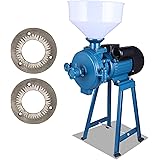
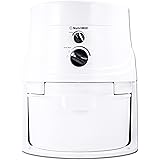
While the market offers a dizzying array of grinders, from budget-friendly hand mills to sophisticated automatic burr grinders, the core principle remains consistent: prioritize a burr grinder over a blade grinder. Blade grinders, which operate more like blenders, chop coffee irregularly, creating an inconsistent particle size known as ‘fines’ and ‘boulders’. This inconsistency leads to uneven extraction—some particles over-extracting and tasting bitter, while others under-extract and taste sour. Conversely, burr grinders mill coffee consistently, producing uniform particles that allow for a balanced and optimal extraction, leading to a much better coffee experience. Even an inexpensive manual burr grinder will yield a vastly superior result compared to any blade grinder or pre-ground option.
Safeguarding Freshness: Optimal Coffee Bean Storage Techniques
Once you have invested in high-quality, fresh, whole bean coffee, the subsequent crucial step involves preserving its peak flavor for as long as possible. Proper storage is not merely a suggestion; it is a critical factor in mitigating the degradation process that begins the moment beans are roasted. Coffee’s primary enemies are oxygen, light, heat, and moisture, each capable of accelerating the staling process and stripping away its delicate aromatics and desirable acidity. Consequently, simply leaving coffee in its original bag, especially if it’s not airtight, is an oversight that can quickly diminish your brewing efforts.
A quart-sized, airtight jar, as suggested in the video, serves as an excellent, readily available solution for storing a typical 12-ounce bag of coffee. Furthermore, as you consume the coffee, transferring the remaining beans to smaller jars—such as pint-sized or even 4-ounce jars for single servings—can help minimize the amount of air exposure. Opaque, vacuum-sealed canisters specifically designed for coffee storage offer even greater protection by actively removing air or by being constructed from materials that block light. Conversely, avoid storing coffee in the refrigerator or freezer; while seemingly logical, these environments often introduce condensation and can allow the beans to absorb unwanted odors, fundamentally compromising their inherent flavor profile. Maintaining a cool, dry, and dark environment is paramount for extending the freshness of your prized beans.
The Art of Precision: Grinding Just Before You Brew
The video aptly stresses the significance of grinding your coffee beans immediately prior to brewing, a practice that stands as a cornerstone of superior coffee preparation. Re-emphasizing the expert consensus, coffee’s optimal flavor retention window post-grinding is remarkably brief—typically around 30 minutes before significant degradation occurs. Imagine the aromatic essence and vibrancy inherent in a freshly milled spice; this intense flavor rapidly dissipates when exposed to the elements. Consequently, the act of grinding transforms whole beans into a finely pulverized substance, drastically increasing their surface area and making them highly susceptible to oxidation and the loss of volatile compounds responsible for aroma and taste.
Beyond freshness, the consistency of your grind size also plays an indispensable role in the extraction process. Different brewing methods necessitate different grind sizes to achieve optimal extraction; for instance, a coarse grind is ideal for a French press, while an espresso machine demands a very fine grind. An inconsistent grind, often produced by inferior blade grinders, leads to uneven extraction, where some coffee particles are over-extracted (resulting in bitterness) and others are under-extracted (leading to sourness and a weak body). Therefore, investing in a quality burr grinder, even a manual one, ensures not only the freshest possible coffee but also a uniform particle size, which is critical for a balanced and flavorful brew. This precision empowers you to dictate the extraction rate, tailoring it to your chosen brewing method for an undeniably better coffee experience.
The Golden Rule: Mastering Your Coffee-to-Water Ratio
Achieving consistently exceptional coffee at home often boils down to eliminating as many variables as possible, and among the most critical is maintaining a precise coffee-to-water ratio. The video correctly identifies that using a simple scoop to measure your coffee is an inherently inaccurate method. The density of coffee beans varies significantly depending on the roast level, origin, and bean size; a dark roast, for example, is less dense than a light roast. Therefore, two seemingly equal scoops of different coffees can represent vastly different weights, leading to unpredictable and inconsistent brew strengths. Instead, utilizing a digital scale to weigh your coffee grounds ensures absolute accuracy and repeatability, laying a dependable foundation for your brewing process.
A commonly adopted ratio in specialty coffee circles, often referred to as the ‘Golden Ratio,’ is one part coffee to 20 parts water (1:20). For those who prefer a more robust and intense cup, scaling up to a 1:12 ratio (e.g., 1 gram of coffee to 12 grams of water) can yield a more concentrated extraction, often favored for milk-based espresso drinks or very strong pour-overs. Conversely, individuals who appreciate a lighter, more delicate brew might gravitate towards a 1:30 ratio, which accentuates subtle floral or fruity notes without overpowering the palate. Experimentation within these parameters is encouraged to discover your personal preference. Furthermore, the quality of your water also significantly impacts the final taste; using filtered water, free from chlorine and excessive minerals, is another critical variable to control for a truly refined cup. Consequently, by meticulously weighing your coffee and considering water quality, you gain unparalleled control over your brew’s strength and flavor profile, ensuring a consistently better coffee experience.
Unlocking Full Flavor: The Crucial Step of Pre-Infusion (The Bloom)
Among the many nuances that differentiate a good cup of coffee from a truly exceptional one, pre-infusion—also known as ‘the bloom’—stands out as a crucially overlooked step, particularly by many automatic coffee makers. This preliminary stage, as explained in the video, involves saturating the dry coffee grounds with a small amount of hot water before the main brewing process commences. The primary purpose of this technique is to facilitate the release of carbon dioxide (CO2) that is trapped within the coffee grounds, a natural byproduct of the roasting process. Freshly roasted coffee contains a significant amount of this gas, which, if not properly released, can impede optimal water saturation and extraction.
When hot water first contacts dry grounds, a chemical reaction occurs where the CO2 rapidly escapes, causing the coffee bed to visibly expand and “bloom.” If this crucial step is skipped, the trapped carbon dioxide can actively repel the brewing water, creating uneven channels and preventing the water from fully penetrating the coffee particles. This phenomenon leads to under-extracted coffee, resulting in a brew that is weak, sour, and lacks the full spectrum of desirable flavors. Therefore, checking your automatic coffee maker for a pre-infuse option and ensuring it is enabled is a wise precaution. If your machine lacks this feature, or if you are using a manual pour-over method, you can easily perform the bloom yourself: simply pour approximately twice the weight of your coffee grounds in hot water over them, saturating them evenly, and allow them to sit for 30-45 seconds before proceeding with the full brew. This methodical approach ensures that every particle is fully saturated, leading to a much more uniform and complete extraction, culminating in a richer and more satisfying cup of coffee at home.
Spill the Beans: Your Coffee Q&A
Why is using fresh, whole coffee beans important for brewing better coffee?
Fresh, whole coffee beans retain their complex flavors and aromas much better than pre-ground coffee. Coffee’s taste degrades rapidly once exposed to oxygen, especially after roasting.
What kind of coffee grinder should I use for home brewing?
You should use a burr grinder, even an inexpensive manual one, instead of a blade grinder. Burr grinders create a consistent particle size, which leads to a more balanced and flavorful extraction.
How should I store my coffee beans to keep them fresh?
Store your coffee beans in an airtight container, like a jar or a specialized coffee canister, in a cool, dark, and dry place. Avoid storing them in the refrigerator or freezer, as this can introduce moisture and unwanted odors.
Why is it important to grind coffee right before brewing?
Grinding coffee just before you brew is crucial because ground coffee loses its volatile aromatic compounds and desirable flavors very quickly, often within 30 minutes, due to increased surface area exposed to air.
What is ‘pre-infusion’ or ‘the bloom’ in coffee brewing?
Pre-infusion, or ‘the bloom,’ is the step where you saturate dry coffee grounds with a small amount of hot water before the main brew. This releases trapped carbon dioxide, allowing for more even water penetration and better flavor extraction.