Have you ever spent hours on a brew day, only to have your finished beer taste a bit off? Perhaps the alcohol content seemed lower than expected, or maybe you found yourself constantly battling sticky messes. Many aspiring homebrewers face these frustrations. It is a common part of the journey. When first starting out, certain fundamental tips can be overlooked. These simple adjustments can truly transform your brewing process. They lead to much better beer.
The accompanying video shares ten crucial tips for beginning homebrewers. These insights can help improve beer quality and overall brewing efficiency. Adopting these practices from the start saves time and effort. It also helps avoid common pitfalls. Learning from experienced brewers is invaluable. Their advice can guide you past early struggles. You can create consistently delicious homebrew.
1. Calibrate Your Thermometer for Better Beer
Accurate temperature control is paramount in homebrewing. Your thermometer is often the unsung hero of the brew day. Yet, many new brewers use uncalibrated tools. This can lead to significant issues. An uncalibrated thermometer can be off by several degrees. This inaccuracy directly affects your mash temperatures. Incorrect mashing alters sugar extraction. It impacts your beer’s final gravity and alcohol by volume.
For instance, one brewer discovered his thermometer was 15 degrees off. This meant he was mashing at 135°F instead of the target 150°F. Such a low mash temperature leaves too many unfermentable sugars. The resulting beer becomes overly malty and sweet. It also has a much lower ABV. Regularly calibrating your thermometer ensures precision. It helps you hit target temperatures consistently. A thermowell can further enhance accuracy. This device holds your probe directly in the wort. It provides real-time, precise readings. Consider investing in a simple temperature controller. An Inkbird or Anvil unit costs little. It offers excellent control over fermentation temperatures.
2. Get to Kegging Fast and Avoid Bottling Tedium
Bottling beer is a tedious and time-consuming process. It is often cited as a reason for new homebrewers to quit. Each bottle must be thoroughly cleaned and sanitized. This takes a lot of precious time. Used bottles often come from recycling. They are basically considered trash by some. The effort involved can quickly overshadow the joy of brewing. It makes brew days less appealing.
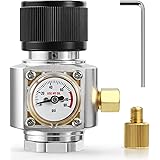
Switching to kegging can drastically improve your brewing experience. Kegging is much faster and simpler. Your beer is transferred into a single, clean vessel. Carbonation is achieved quickly with CO2. This method saves countless hours of washing and filling bottles. It also makes serving your beer incredibly easy. Imagine pouring a cold, perfectly carbonated pint on demand. Kegging transforms your brewing routine. It becomes a more efficient and enjoyable hobby.
3. Prioritize Your System Over New Recipes
Many beginner homebrewers jump between different recipes. They want to try every beer style imaginable. While exploring new flavors is exciting, it can hinder skill development. Your brewing system includes all your equipment. It also covers your unique process and techniques. Learning how your system performs is more critical initially. Understanding its nuances leads to consistent results.
It is suggested to stick with one recipe for several batches. This allows you to master your specific equipment. You can learn how long heating takes. You can confirm your pre-boil gravity targets. Each repeated brew refines your technique. You gain a deeper understanding of cause and effect. Even commercial brewers refine recipes over multiple trials. Mastering your system builds a strong foundation. This foundation will serve you well with any future recipe.
4. Use a Dry Erase Board for Organization
Detailed note-taking is essential for improving your homebrew. Relying solely on paper notes can be problematic. Papers are easily misplaced or damaged in a busy brew space. A dry erase board offers a visible and durable alternative. It keeps vital information front and center. This tool aids in planning and tracking your brews.
A dry erase board can display budgets or schedules. You can list ingredients needed for your next batch. Important deadlines can be written clearly. Some brewers even use dry erase calendars. This helps manage fermentation timelines. Constantly visible notes reinforce good habits. They help keep you organized. This simple tool becomes a constant reminder. It helps you stay on track with your brewing goals.
5. Buy Used Brewing Equipment to Save Money
The cost of new homebrewing equipment can be substantial. Many new brewers feel pressured to buy flashy, brand-new gear. While nice equipment has its appeal, it is not essential for making great beer. High-quality stainless steel lasts indefinitely. It does not degrade over time. This makes buying used a very smart choice.
Platforms like Craigslist or OfferUp are excellent resources. You can find gently used equipment for a fraction of the retail price. Many people start homebrewing with enthusiasm. Then they discover it is not for them. Their well-maintained equipment often appears on the secondary market. Items like stainless steel kettles, fermenters, or even kegs can be found. Investing wisely in used gear allows you to scale up faster. It helps without breaking the bank. Your money is better spent on quality ingredients. Or perhaps on upgrading critical components later.
6. Master Cooling Your Wort Quickly
Rapidly cooling your wort after the boil is critical. It is often called chilling. Slow chilling can introduce off-flavors. It can also increase the risk of infection. Many beginner brewers use basic immersion chillers. These can take 45 minutes to an hour to cool a batch. This prolonged cooling period is a weak point. It exposes your wort to potential contaminants.
To speed up the process, consider a pre-chiller. This involves running your chilling water through a coil in an ice bath first. The colder water then enters your primary chiller. This setup can cut chilling time in half. Some brewers can cool 10-gallon batches in about 15 minutes. Investing in a large cooler for ice and water is recommended. Becoming an “ice warlord” improves your efficiency. It significantly enhances beer quality. Quick chilling helps create a good cold break. It also reduces the risk of spoilage. This practice results in cleaner, more stable beer.
7. Scale Up to 10-Gallon Batches Sooner
A typical 5-gallon homebrew batch yields around 40 pints. This amount can disappear very quickly. If you often share your beer, it may be gone in hours. A brew day for 5 gallons takes six to eight hours. This is a significant time commitment. Scaling up to a 10-gallon batch does not double your brew day time. It adds only a couple more hours to the process.
By brewing larger batches, you get twice the beer. This means you brew less often. If you currently brew once or twice a month, consider 10-gallon batches. The extra beer provides more opportunities. It allows you to share more. You can also experiment with different conditioning times. The incremental cost increase is usually minimal. The time savings and increased yield are well worth it. Larger batches ensure your taps are always full.
8. Brew by Yourself to Minimize Distractions
When starting homebrewing, inviting friends over is tempting. A brew day can seem like a great party opportunity. While enjoyable, this social aspect can hinder your brewing progress. Distractions are common with multiple people present. Spills can happen. Ingredients might be mishandled. Focus on the brewing process is easily lost. This can lead to mistakes and inconsistent beer quality.
Brewing by yourself allows for complete concentration. You can meticulously follow your process. Notes can be taken without interruption. This singular focus helps you learn your system better. It also helps you refine your techniques. If you prefer company, brew with one other experienced homebrewer. This person can offer assistance. They can also provide constructive feedback. For 5 to 10-gallon batches, one person can handle most tasks easily. Solo brewing helps you become a more proficient and consistent brewer.
9. Keep Your Equipment Clean as You Brew
Sanitation is a cornerstone of good homebrewing. “Clean as you brew” is an invaluable motto. There is often considerable downtime during a brew day. This downtime can be used effectively. Cleaning equipment immediately prevents hardened messes. It makes the overall cleanup much easier. Postponing cleaning results in sticky, caked-on residue. This requires more effort to remove later.
Treat your brew space like a professional kitchen. When mashing in, clean your mash tun right away. During the 60-minute boil, wash your kettle. Freshly dirtied items are much easier to rinse. This practice also ensures your equipment is ready for the next brew day. Waking up to a dirty brew area can be disheartening. It can lead to what is known as a “beer slump.” Maintaining cleanliness avoids this negativity. It also promotes efficiency. A clean brewing environment is key to consistently producing quality homebrew.
10. Use a Fermenter with a Spigot for Gravity Readings
Many traditional brewing timelines suggest two weeks for fermentation. This rule is often inaccurate. Fermentation duration varies significantly. Factors include oxygen levels and yeast pitch rate. These variables affect how quickly yeast consumes sugars. Waiting a full two weeks might mean unnecessary delays. You could be enjoying your homebrew much sooner.
A fermenter equipped with a spigot is a game-changer. This feature allows you to pull samples easily. You can check gravity readings without introducing oxygen. Oxygen exposure during fermentation can lead to off-flavors. With a spigot, you simply take a sample. Then you use a hydrometer to measure gravity. If your final gravity is reached, you can start kegging. This approach helps avoid those “beer slumps.” It gets your quality homebrew into your glass faster. Knowing your actual fermentation progress ensures better timing. This is vital for delicious and efficient homebrewing.
Still Thirsty for Knowledge? Your Homebrewing Q&A
Why is it important to calibrate my thermometer for homebrewing?
Calibrating your thermometer ensures accurate temperature control, which is crucial for mashing. Incorrect temperatures can alter sugar extraction, impacting your beer’s final gravity and alcohol content.
Is it better to bottle or keg my homebrew?
Switching to kegging can drastically improve your brewing experience as it is much faster and simpler than bottling. It saves time on cleaning and filling, and makes serving your beer incredibly easy.
Why is it important to cool wort quickly after boiling?
Rapidly cooling your wort (chilling) after the boil is critical to prevent off-flavors and reduce the risk of infection. Quick chilling helps create a good cold break and results in cleaner, more stable beer.
Why should I clean my equipment while I’m brewing?
Cleaning equipment as you brew, rather than waiting, prevents messes from hardening and makes the overall cleanup much easier. This practice also ensures your equipment is ready for the next brew day and promotes a clean brewing environment.
Can I save money by buying used brewing equipment?
Yes, buying used brewing equipment is a smart choice because high-quality stainless steel lasts indefinitely and does not degrade over time. You can find gently used gear for a fraction of the retail price on platforms like Craigslist or OfferUp.